 Pocket Botanist
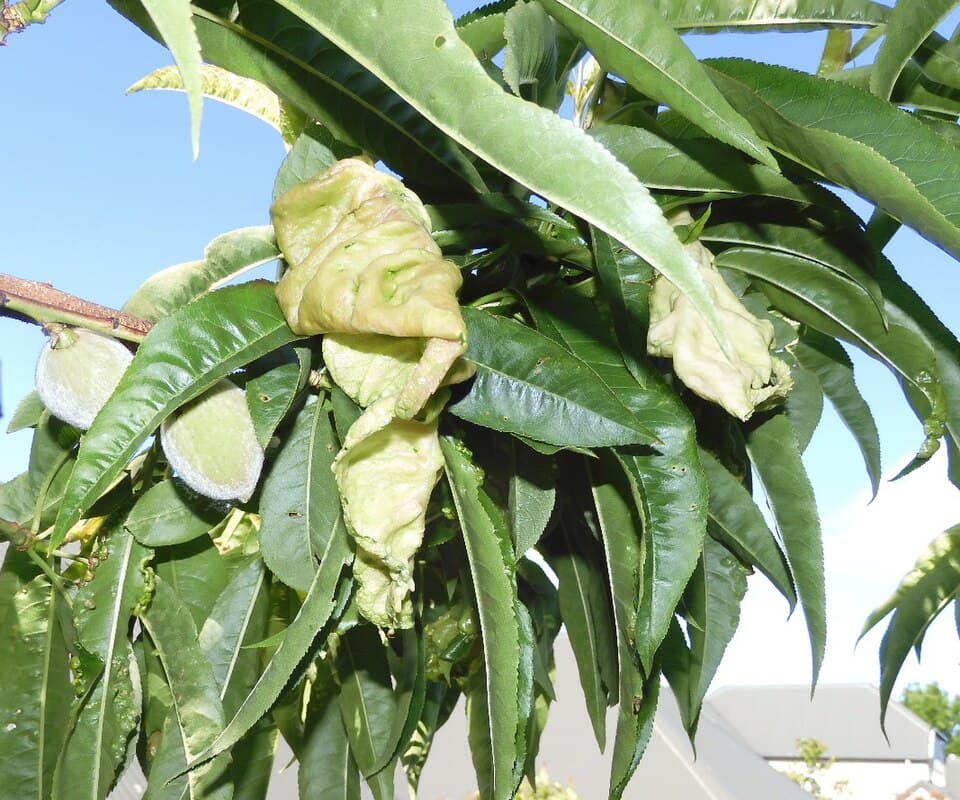

Check these first
- Inspect the undersides of the curled leaves for small insects.
- Feel the soil to see if it has dried out completely.
- Check the location to ensure the plant is not getting too much direct afternoon sun.
Likely causes
Aphids
Most likelyHow to tell: You will see clusters of tiny green or black insects on the undersides of leaves or near the flower buds. The leaves often curl or become distorted as the aphids suck out the plant sap.
What to do: Spray the plant with a strong stream of water to knock the aphids off. If they persist, apply insecticidal soap or neem oil directly to the affected areas every 5 to 7 days until they are gone.
Heat Stress
PossibleHow to tell: The leaves curl inward during the hottest part of the day when the plant is losing moisture faster than it can replace it. The foliage usually looks limp and feels dry to the touch.
What to do: Move the plant to a spot with more shade if it is currently in too much sun. Ensure you are watering every 3 to 7 days to keep the soil consistently moist.
Find out what's wrong with your wild blue phlox
The list above covers the usual causes. Pocket Botanist looks at a photo of your actual plant and tells you the likely cause, how serious it is, and what to try first. Identification and a health check are free.



Scan with your phone's camera to get the app
Or go to pocketbotanist.app/get on your phone
When to worry
If the curling is accompanied by yellowing or stunted growth, the plant is under significant stress. Minor curling during a heat wave is normal and usually resolves once temperatures drop.
Stopping it coming back
Keep your phlox well mulched to retain soil moisture and inspect the foliage weekly for early signs of pests.
Wild Blue Phlox: curling leaves? Check yours with a photo
Every plant is a little different. Take a photo of your wild blue phlox and Pocket Botanist tells you which cause is most likely, how serious it is, and what to try first. A few checks a day are free. Save the plant and you get care reminders timed for it.
Scan with your phone's camera to get the app
Or go to pocketbotanist.app/get on your phone
Get the app · Or check it from a photo now, free
Questions people ask
- Will my leaves uncurl once the pests are gone?
- The leaves that are already severely curled may not fully flatten out again. However, new growth should emerge healthy once the aphid population is controlled.
- Does curling mean I am overwatering?
- Usually, overwatering causes yellowing or wilting rather than curling. If the soil feels soggy, hold off on watering until the top inch feels slightly dry.
Guides to these causes
More problems with Wild Blue Phlox
- Why are there white spots on my Wild Blue Phlox?
- Why is my Wild Blue Phlox drooping?
- Why is my Wild Blue Phlox looking so leggy?
- Why is my Wild Blue Phlox suffering from root rot?
- Why are my Wild Blue Phlox leaves turning yellow?
- Why do my Wild Blue Phlox have brown tips?
- Why is my Wild Blue Phlox dropping leaves?
- Why is my Wild Blue Phlox not blooming?
- What is eating my Wild Blue Phlox?
Back to the Wild Blue Phlox guide
This article was generated with AI on from the plant’s care profile and is general information, not horticultural advice. Read about how we build these guides.