 Pocket Botanist
Plant guide
Lacy Phacelia.
Phacelia tanacetifolia
Pronounced fah-SEE-lee-ah tan-ah-seh-tih-FOH-lee-ah
Also known as Phacelia, Scorpion Weed


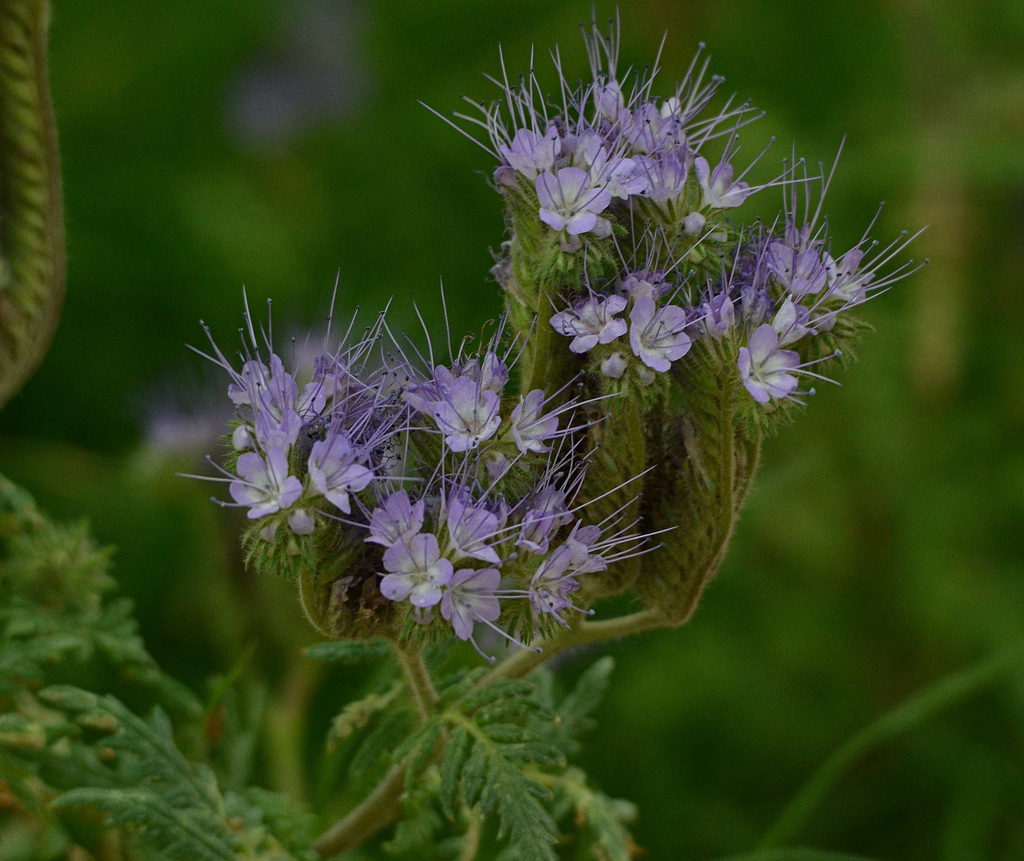
Phacelia is a fantastic annual wildflower that bees absolutely adore. It produces beautiful, fern like foliage and clusters of nectar rich, lavender blue flowers. It is a wonderful addition to any garden looking to support local pollinators.

At a glance
- Care level
- Easy
- Plant type
- Annual wildflower
- Light
- Full sun
- Indoor light
- Direct sun
- Water
- Every 3 to 7 days
- Mature size
- 3 feet
- Growth rate
- Fast
- Hardiness
- USDA 3 to 9
- Bloom time
- Late spring to mid summer
Care
Sow these seeds directly into your garden soil during the cooler months. Keep the soil consistently moist until germination occurs. Watch for wilting during dry spells, as this plant prefers steady moisture to keep blooming.
- Watering
- Keep the soil evenly moist but not waterlogged.
- Feeding
- This plant generally does not require extra fertilizer in decent garden soil.
- Pruning
- Deadhead spent blooms to encourage a longer flowering season.
- Repotting
- As an annual, this plant is best grown directly in the ground.
- Soil
- Well draining, sandy or loamy soil
- Soil pH
- 6.0 to 7.5
- Temperature
- -10 to 35°C
- Humidity
- 30 to 70%
- Drought tolerance
- Moderate
- Lifespan
- Annual
- Fragrance
- Light
- Deer and rabbits
- Moderate
Safety
- People
- The plant contains hairs that can cause skin irritation upon contact.
- Children
- The stiff hairs on the stems and leaves may cause minor skin irritation if handled by children.
- Contact allergens
- The glandular hairs on the foliage can cause contact dermatitis in sensitive individuals.
- Airborne allergens
- The pollen is not typically considered a major allergen.
- Edibility
- This plant is not considered edible and should not be consumed.
How to identify it
- Fern like, deeply divided leaves
- Clusters of lavender blue flowers
- Coiled, fiddlehead shaped flower spikes
- Hairy stems and foliage
- Height
- 0.3 to 1m
- Spread
- 0.15 to 0.3m
- Leaves
- green, deciduous
- Flowers
- blue, lavender, 1 to 2cm
Common problems
- Aphids — Small insects that may cluster on tender new growth.
Growing it
- Propagation
- seed
- When to plant
- spring, autumn
- Overwintering
- In mild climates, it may persist through winter, but it is typically grown as a seasonal annual.
- In containers
- It grows well in containers at least 30 centimeters deep.
Direct Sowing
- Prepare a weed free seed bed.
- Scatter seeds thinly over the soil surface.
- Lightly rake the soil to cover seeds with a thin layer of earth.
- Keep the soil moist until germination occurs.
Plant this near vegetable crops to boost pollination rates and attract predatory insects.
Grows well with
- Borage — Both are excellent at attracting bees to the garden.
- California Poppy — They share similar water and sun requirements.
Similar species
- Blue Tansy — It shares a similar appearance and pollinator appeal.
Science
- Family
- Hydrophyllaceae
- Genus
- Phacelia
- Order
- Boraginales
- Class
- Magnoliopsida
- Native range
- Southwestern United States and Mexico
- Conservation
- This plant is common and not of conservation concern.
It thrives in disturbed soils and open areas where it quickly establishes to provide nectar for early pollinators.
- Value to wildlife
- excellent nectar source, attracts beneficial insects
- Pollinators
- bees, butterflies, moths
- Uses
- cover crop, pollinator garden, cut flower
Through the year
Ecological indicators
- Salinity
- 2/9
- Soil reaction
- 6/9
- Light
- 8/9
- Temperature
- 5/9
- Moisture
- 4/9
- Nutrients
- 4/9
Taxonomy resolved against GBIF.
Questions people ask
- Does it need full sun?
- Yes, it performs best in full sun.
- Can I grow it in a pot?
- It is best suited for garden beds but can grow in large containers.
Where the name comes from
The genus name Phacelia comes from the Greek word for bundle, referring to the clustered flowers. The species name tanacetifolia means tansy leaved.
Good to know
- It is often called lacy phacelia due to its fern like foliage.
- It is one of the top plants for attracting honeybees.
- The flowers curl in a way that resembles a scorpion tail.
Is your lacy phacelia looking unwell?
This page is a general guide. Pocket Botanist diagnoses problems from a photo of your actual plant, works out watering for your light and conditions, and reminds you when care is due.
This guide was generated with AI and checked against GBIF taxonomy. It is general information, not horticultural or veterinary advice. Read about how we build these guides.