 Pocket Botanist
Guide botanique
Lacy Phacelia.
Phacelia tanacetifolia
Prononciation fah-SEE-lee-ah tan-ah-seh-tih-FOH-lee-ah
Aussi appelée Phacelia, Scorpion Weed


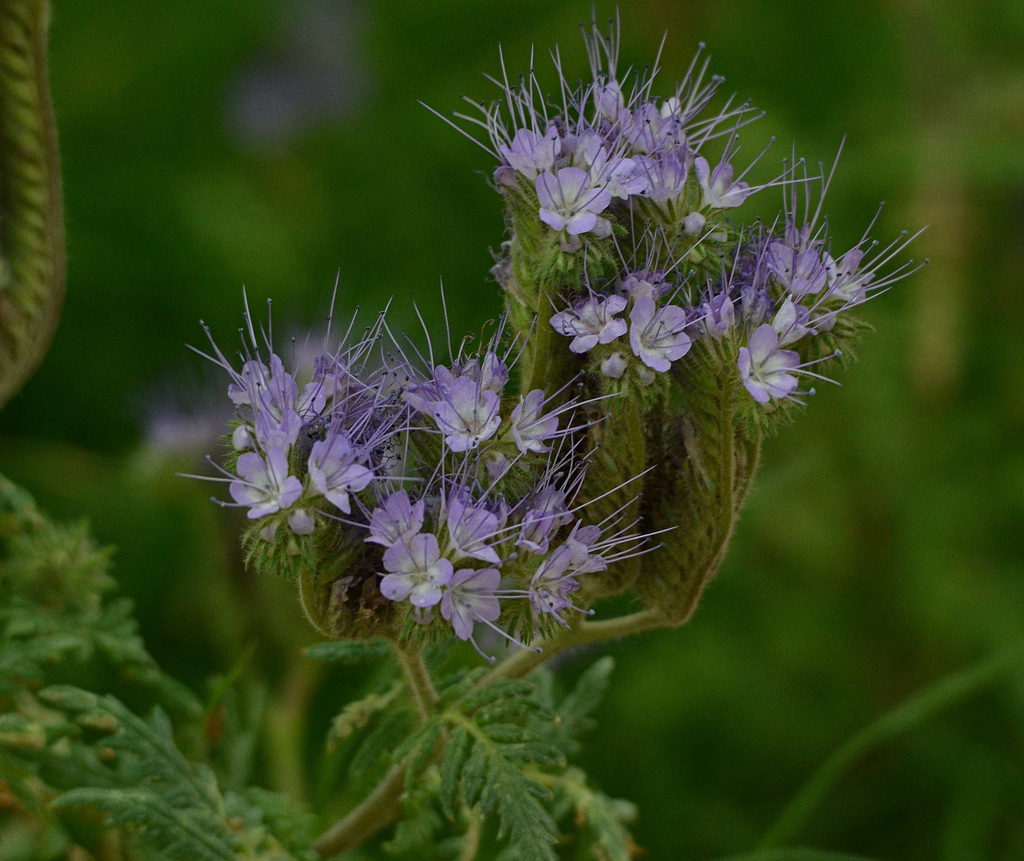
Phacelia is a fantastic annual wildflower that bees absolutely adore. It produces beautiful, fern like foliage and clusters of nectar rich, lavender blue flowers. It is a wonderful addition to any garden looking to support local pollinators.

En un coup d'œil
- Niveau d'entretien
- Facile
- Type de plante
- Annual wildflower
- Lumière
- Full sun
- Lumière en intérieur
- Soleil direct
- Arrosage
- Tous les 3 à 7 jours
- Taille adulte
- 3 feet
- Croissance
- Rapide
- Rusticité
- USDA 3 à 9
- Floraison
- Late spring to mid summer
Entretien
Sow these seeds directly into your garden soil during the cooler months. Keep the soil consistently moist until germination occurs. Watch for wilting during dry spells, as this plant prefers steady moisture to keep blooming.
- Arrosage
- Keep the soil evenly moist but not waterlogged.
- Engrais
- This plant generally does not require extra fertilizer in decent garden soil.
- Taille
- Deadhead spent blooms to encourage a longer flowering season.
- Rempotage
- As an annual, this plant is best grown directly in the ground.
- Sol
- Well draining, sandy or loamy soil
- pH du sol
- 6.0 to 7.5
- Température
- -10 à 35°C
- Humidité
- 30 à 70%
- Résistance à la sécheresse
- Moyenne
- Durée de vie
- Annual
- Parfum
- Léger
- Résistance aux chevreuils et lapins
- Moyenne
Sécurité
- Humains
- The plant contains hairs that can cause skin irritation upon contact.
- Enfants
- The stiff hairs on the stems and leaves may cause minor skin irritation if handled by children.
- Allergènes de contact
- The glandular hairs on the foliage can cause contact dermatitis in sensitive individuals.
- Allergènes aéroportés
- The pollen is not typically considered a major allergen.
- Comestibilité
- This plant is not considered edible and should not be consumed.
Comment l'identifier
- Fern like, deeply divided leaves
- Clusters of lavender blue flowers
- Coiled, fiddlehead shaped flower spikes
- Hairy stems and foliage
- Hauteur
- 0,3 à 1m
- Envergure
- 0,15 à 0,3m
- Feuilles
- green, deciduous
- Fleurs
- blue, lavender, 1 à 2cm
Problèmes courants
- Aphids — Small insects that may cluster on tender new growth.
La cultiver
- Multiplication
- seed
- Quand planter
- spring, autumn
- Hivernage
- In mild climates, it may persist through winter, but it is typically grown as a seasonal annual.
- En pot
- It grows well in containers at least 30 centimeters deep.
Direct Sowing
- Prepare a weed free seed bed.
- Scatter seeds thinly over the soil surface.
- Lightly rake the soil to cover seeds with a thin layer of earth.
- Keep the soil moist until germination occurs.
Plant this near vegetable crops to boost pollination rates and attract predatory insects.
Bonnes associations
- Borage — Both are excellent at attracting bees to the garden.
- California poppy — They share similar water and sun requirements.
Espèces similaires
- Phacelia congesta — It shares a similar appearance and pollinator appeal.
Science
- Famille
- Hydrophyllaceae
- Genre
- Phacelia
- Ordre
- Boraginales
- Classe
- Magnoliopsida
- Région d'origine
- Southwestern United States and Mexico
- Préservation
- This plant is common and not of conservation concern.
It thrives in disturbed soils and open areas where it quickly establishes to provide nectar for early pollinators.
- Intérêt pour la faune
- excellent nectar source, attracts beneficial insects
- Pollinisateurs
- abeilles, papillons, papillons de nuit
- Utilisations
- cover crop, pollinator garden, cut flower
Au fil des saisons
Repères écologiques
- Salinité
- 2/9
- Réaction du sol
- 6/9
- Lumière
- 8/9
- Température
- 5/9
- Humidité
- 4/9
- Nutriments
- 4/9
Taxonomie vérifiée avec le GBIF.
Ce qu'on demande souvent
- Does it need full sun?
- Yes, it performs best in full sun.
- Can I grow it in a pot?
- It is best suited for garden beds but can grow in large containers.
D'où vient le nom
The genus name Phacelia comes from the Greek word for bundle, referring to the clustered flowers. The species name tanacetifolia means tansy leaved.
Bon à savoir
- It is often called lacy phacelia due to its fern like foliage.
- It is one of the top plants for attracting honeybees.
- The flowers curl in a way that resembles a scorpion tail.
Ta plante a mauvaise mine ?
Cette page est un guide général. Pocket Botanist diagnostique les problèmes directement à partir d'une photo de ta plante, adapte l'arrosage à sa luminosité et te prévient quand il faut t'en occuper.
Ce guide a été généré par IA et vérifié avec la taxonomie du GBIF. Il s'agit d'informations générales, et non de conseils horticoles ou vétérinaires. Découvre comment nous concevons ces guides.