 Pocket Botanist
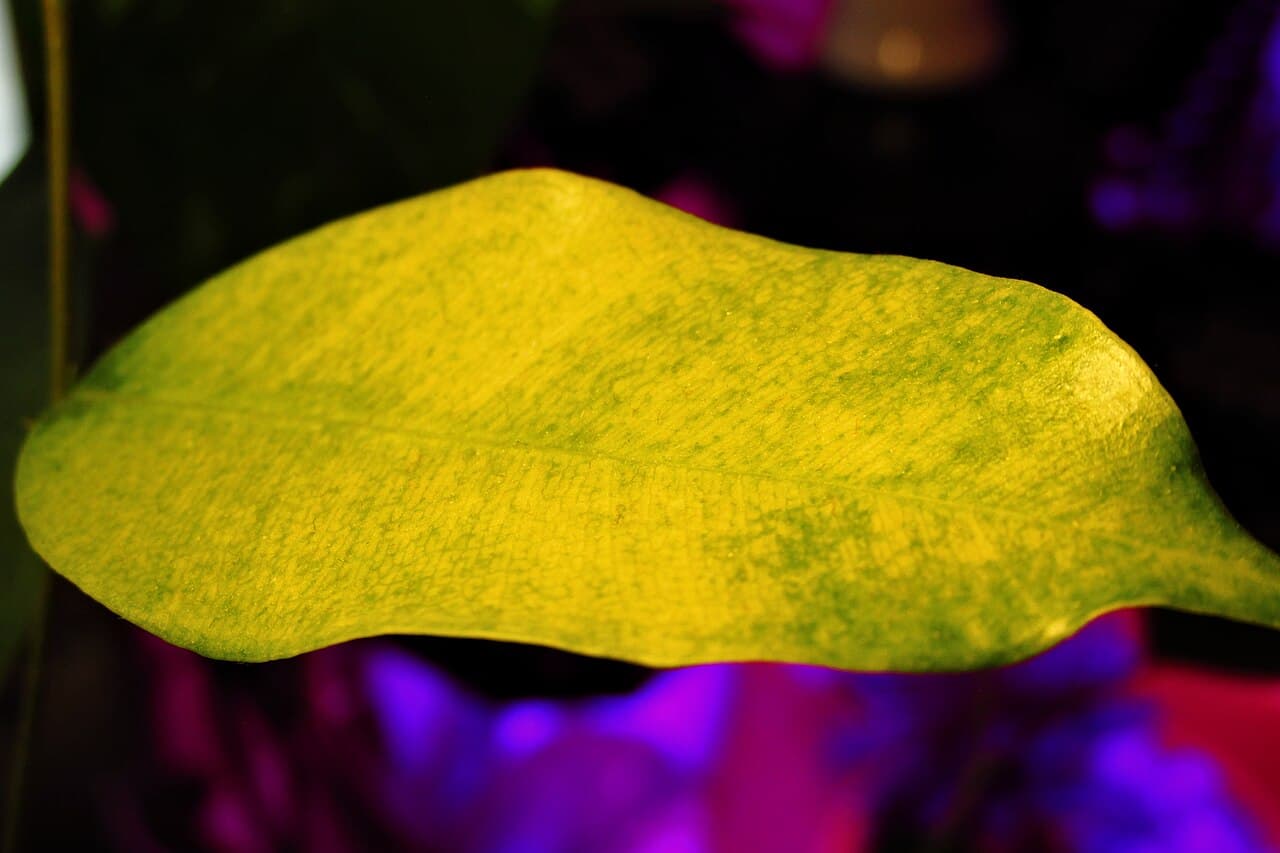

Check these first
- Feel the soil moisture at the top inch.
- Observe the light levels in your current spot.
- Check the drainage holes for any blockages.
Likely causes
Overwatering
PossibleHow to tell: The leaves look soft or mushy and the soil feels constantly damp. You might notice a faint musty smell near the base of the plant.
What to do: Stop watering immediately and let the top 2 inches of soil dry out completely. If the soil stays wet for more than a week, repot the bulb into a fresh, well draining cactus mix.
Insufficient Light
PossibleHow to tell: The foliage becomes pale and weak while leaning heavily toward the nearest light source. Growth slows down significantly compared to other bulbs in the same spot.
What to do: Move your plant to a location that receives at least 6 to 8 hours of direct sunlight daily. If you cannot provide enough natural light, place it under a bright grow light for 10 to 12 hours a day.
Find out what's wrong with your crowpoison
The list above covers the usual causes. Pocket Botanist looks at a photo of your actual plant and tells you the likely cause, how serious it is, and what to try first. Identification and a health check are free.



Scan with your phone's camera to get the app
Or go to pocketbotanist.app/get on your phone
When to worry
Worry if the yellowing spreads rapidly to the center of the plant or if the bulb feels soft. It is normal for the oldest, lowest leaves to yellow and die back as the plant enters dormancy.
Stopping it coming back
Always allow the top inch of soil to dry out before adding more water. Ensure your pot has plenty of drainage holes to prevent standing water.
Crowpoison: yellow leaves? Check yours with a photo
Every plant is a little different. Take a photo of your crowpoison and Pocket Botanist tells you which cause is most likely, how serious it is, and what to try first. A few checks a day are free. Save the plant and you get care reminders timed for it.
Scan with your phone's camera to get the app
Or go to pocketbotanist.app/get on your phone
Get the app · Or check it from a photo now, free
Questions people ask
- Should I cut off the yellow leaves?
- Yes, you can snip them off with clean scissors to keep the plant looking tidy. This helps the plant focus its energy on healthy growth.
- Does yellowing mean my bulb is dying?
- Not necessarily, but it is a warning sign that the roots are unhappy. Address the moisture levels quickly to save the bulb.
More problems with Crowpoison
This article was generated with AI on from the plant’s care profile and is general information, not horticultural advice. Read about how we build these guides.