 Pocket Botanist
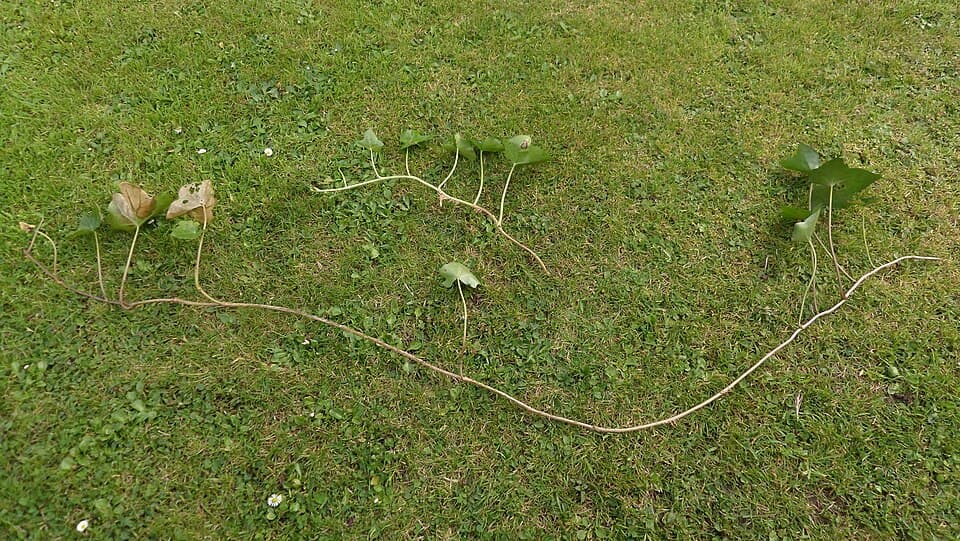

Check these first
- Observe if the plant is leaning toward a window.
- Check the distance between the leaves on the stem.
- Evaluate the total hours of direct sunlight.
Likely causes
Low Light Levels
Most likelyHow to tell: The leaves are long, pale, and leaning heavily toward the nearest light source.
What to do: Relocate the plant to a brighter area with direct sun. If you cannot provide more natural light, consider using a grow light for 10 to 12 hours a day.
Excessive Nitrogen
RareHow to tell: The plant grows very fast but the stems are thin and cannot support the weight of the leaves.
What to do: Stop using high nitrogen fertilizers. Switch to a balanced, low strength fertilizer only during the active growing season.
Find out what's wrong with your crowpoison
The list above covers the usual causes. Pocket Botanist looks at a photo of your actual plant and tells you the likely cause, how serious it is, and what to try first. Identification and a health check are free.



Scan with your phone's camera to get the app
Or go to pocketbotanist.app/get on your phone
When to worry
Leggy growth is not fatal, but it indicates the plant is stressed. It is normal for the plant to look slightly stretched if it has been in a low light area for a long time.
Stopping it coming back
Provide consistent, direct sunlight and rotate the pot every few days to ensure even growth on all sides.
Crowpoison: leggy growth? Check yours with a photo
Every plant is a little different. Take a photo of your crowpoison and Pocket Botanist tells you which cause is most likely, how serious it is, and what to try first. A few checks a day are free. Save the plant and you get care reminders timed for it.
Scan with your phone's camera to get the app
Or go to pocketbotanist.app/get on your phone
Get the app · Or check it from a photo now, free
Questions people ask
- Should I prune the leggy stems?
- You can trim them back to encourage a bushier shape, but only if the plant is actively growing. Always use clean, sharp scissors.
- Will the stems thicken up if I move it?
- The existing stems will not thicken, but new growth will be much sturdier. The plant will look better as it produces new, healthy leaves.
More problems with Crowpoison
This article was generated with AI on from the plant’s care profile and is general information, not horticultural advice. Read about how we build these guides.