 Pocket Botanist
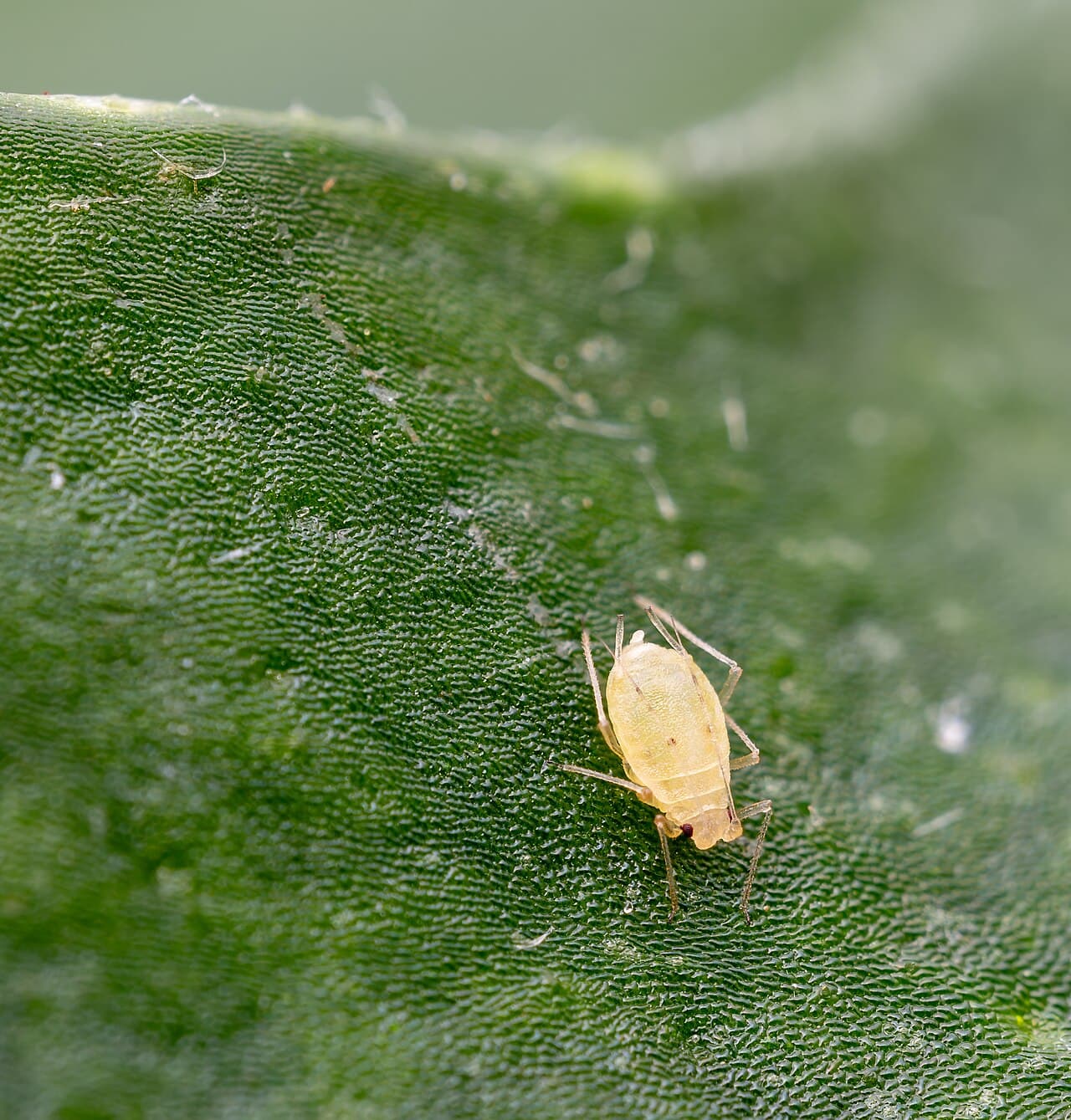

Check these first
- Inspect the undersides of leaves with a magnifying glass.
- Look for fine webbing between the stems.
- Check the tips of new growth for clusters of small insects.
Likely causes
Spider Mites
Most likelyHow to tell: You will see fine webbing between stems and tiny white stippling on the leaves. These pests thrive in dry, warm conditions.
What to do: Wash the plant thoroughly with a gentle stream of water to knock them off. Apply neem oil or insecticidal soap every 5 to 7 days until they are gone.
Aphids
Most likelyHow to tell: These small, soft bodied insects cluster on the newest, most tender growth. They often leave behind a sticky residue called honeydew.
What to do: Wipe them off with a damp cloth or spray the plant with a mild dish soap and water solution. Repeat this process every 3 to 4 days until the infestation clears.
Find out what's wrong with your peppermint
The list above covers the usual causes. Pocket Botanist looks at a photo of your actual plant and tells you the likely cause, how serious it is, and what to try first. Identification and a health check are free.



Scan with your phone's camera to get the app
Or go to pocketbotanist.app/get on your phone
When to worry
If the plant is covered in webs or the leaves are curling and yellowing, take action immediately. A few stray bugs are normal, but a full infestation can kill the plant.
Stopping it coming back
Keep your peppermint well watered and provide good air circulation to make the environment less inviting for pests.
Peppermint: pests? Check yours with a photo
Every plant is a little different. Take a photo of your peppermint and Pocket Botanist tells you which cause is most likely, how serious it is, and what to try first. A few checks a day are free. Save the plant and you get care reminders timed for it.
Scan with your phone's camera to get the app
Or go to pocketbotanist.app/get on your phone
Get the app · Or check it from a photo now, free
Questions people ask
- Can I still eat the mint if it has bugs?
- It is best to avoid eating leaves that have been infested. Once you have treated the plant and it has been pest free for a few weeks, new growth will be safe to harvest.
- Do I need to throw the plant away?
- Usually, no. Peppermint is resilient and recovers quickly once you remove the pests and improve its growing conditions.
Guides to these causes
More problems with Peppermint
- What are these spots on my peppermint leaves?
- Why is my peppermint plant growing so tall and thin?
- Why are my peppermint leaves turning yellow?
- Why is my peppermint plant drooping?
- Why do my peppermint leaves have brown tips?
- Why is my peppermint plant dropping leaves?
- How do I know if my peppermint has root rot?
- Why are my peppermint leaves curling?
This article was generated with AI on from the plant’s care profile and is general information, not horticultural advice. Read about how we build these guides.