 Pocket Botanist
Plant guide
Thimble Cactus.
Mammillaria gracilis fragilis
Pronounced mam-mi-LAIR-ee-uh VET-yoo-luh
Also known as Mammillaria gracilis fragilis



Scan with your phone's camera to get the app
Or go to pocketbotanist.app/get on your phone
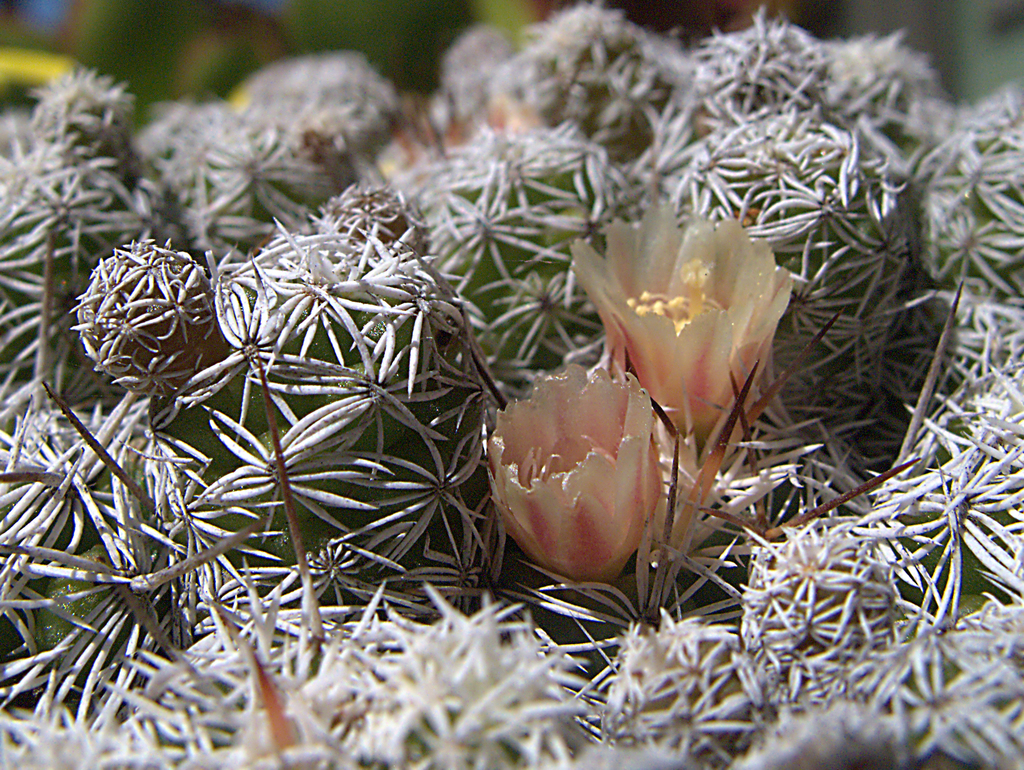
The thimble cactus is a charming, small succulent that forms dense clusters of tiny, cylindrical stems. It is a favorite for collectors because it stays compact and produces lovely little flowers. You will find it is quite resilient if you give it plenty of sun.
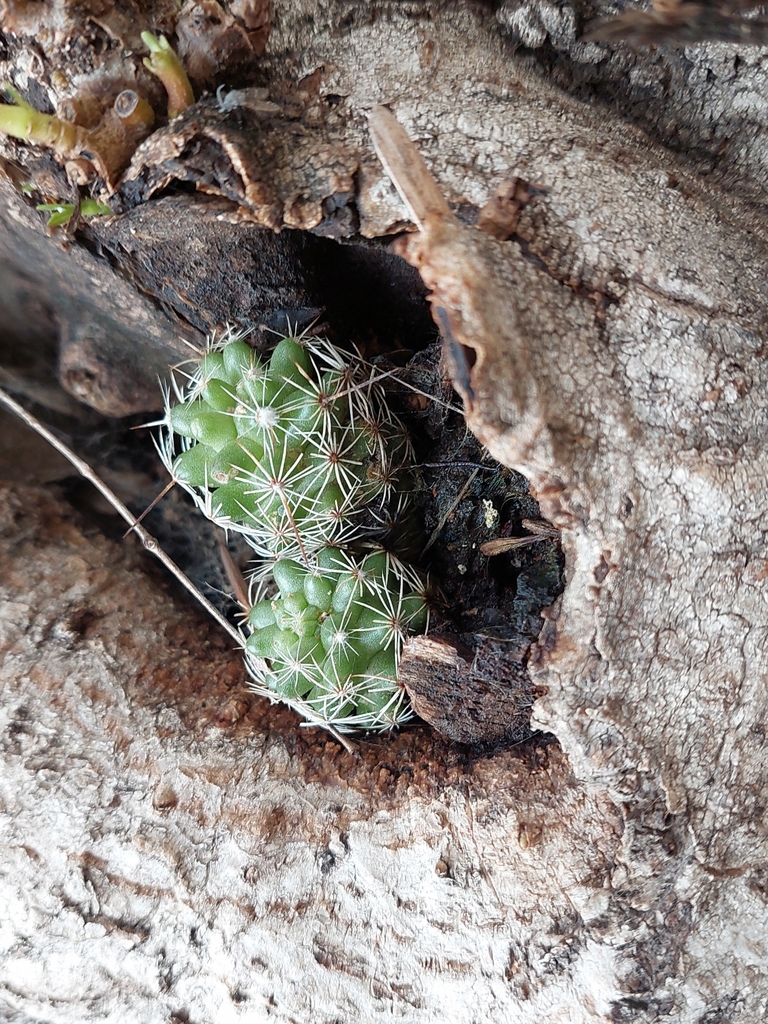
At a glance
- Care level
- Easy
- Plant type
- Succulent
- Light
- Full sun
- Indoor light
- Direct sun
- Water
- Every 14 to 21 days
- Mature size
- 4 inches tall
- Growth rate
- Slow
- Hardiness
- USDA 9 to 11
- Bloom time
- Late winter to mid spring
Care
Keep this cactus in a spot with intense light to prevent it from stretching out. Let the soil dry out completely between waterings, and watch for shriveling stems as a sign it needs a drink. Ensure the pot has excellent drainage to keep the roots happy.
- Watering
- Water only when the soil is completely dry throughout the pot.
- Feeding
- Use a balanced cactus fertilizer during the active growing season.
- Pruning
- Only remove dead or damaged stems with sterile shears.
- Repotting
- Repot only when the cluster has completely outgrown its current container.
- Soil
- Well draining cactus mix
- Soil pH
- 6.0 to 7.5
- Temperature
- 5 to 35°C
- Humidity
- 10 to 40%
- Drought tolerance
- High
- Lifespan
- Perennial, typically 10 to 20 years
- Deer and rabbits
- High
Signs it needs repotting
- The plant has filled the entire pot with offsets.
- Water runs straight through the pot without soaking in.
- The plant has stopped growing during the active season.
Safety
- People
- This plant is not considered toxic to humans.
- Pets
- This plant is generally considered non-toxic to cats and dogs.
- Children
- Keep this plant out of reach of children due to the sharp spines that can easily pierce delicate skin.
- Contact allergens
- The sharp spines can cause mechanical skin irritation or puncture wounds if handled without gloves.
- Airborne allergens
- There are no known respiratory allergens associated with this plant.
- Edibility
- While the fruit is technically edible, it is not commonly consumed and lacks significant culinary value.
How to identify it
- Small cylindrical stems in clusters
- Dense white radial spines
- Tiny cream or yellow flowers
- Offsets readily from the base
- Height
- 0.05 to 0.15m
- Spread
- 0.1 to 0.3m
- Leaves
- green, evergreen
- Flowers
- yellow, cream, 1 to 2cm
- Fruit
- red, Summer
Problems to watch for
- MealybugsCommon
- Root RotCommon
- Scale InsectsUncommon
- Spider MitesUncommon
Check your thimble cactus from a photo
Pocket Botanist looks at a photo of your plant and tells you what's wrong and what to try first.
Scan with your phone's camera to get the app
Or go to pocketbotanist.app/get on your phone
Growing it
- Propagation
- cuttings, division, seed
- When to plant
- spring, summer
- Overwintering
- Keep the plant in a cool, dry location and withhold water almost entirely to encourage dormancy. Ensure it stays above freezing temperatures.
- In containers
- This cactus is excellent for containers, provided the pot has drainage holes and is only slightly larger than the root ball.
Stem cuttings
- Carefully remove a small offset from the main cluster using a clean, sharp knife.
- Allow the cut end to callous over in a dry, shaded spot for several days.
- Place the calloused cutting on top of well draining cactus soil.
- Keep the soil barely moist until roots begin to form.
Group this cactus with other desert plants that require excellent drainage and minimal water to ensure they all thrive together.
Grows well with
Similar species
- Mammillaria elongata · It has a similar clumping habit but with more elongated, finger like stems.
Science
- Family
- Cactaceae
- Genus
- Mammillaria
- Order
- Caryophyllales
- Class
- Magnoliopsida
- Native range
- Central Mexico
- Conservation
- This species is not currently listed as endangered in the wild.
It grows in rocky, well drained soils in arid environments, relying on its water storing stems to survive long droughts.
- Value to wildlife
- nectar source
- Pollinators
- bees
- Uses
- ornamental, container plant, rock garden
Through the year
Ecological indicators
- Salinity
- 2/9
- Soil reaction
- 6/9
- Light
- 8/9
- Temperature
- 7/9
- Moisture
- 2/9
- Nutrients
- 2/9
Taxonomy resolved against GBIF.
Questions people ask
- How often should I water it?
- Water only when the soil has dried out completely, usually every two to three weeks in summer and much less in winter.
- Does it need direct sun?
- Yes, it thrives in bright, direct sunlight for most of the day.
Where the name comes from
The genus name Mammillaria comes from the Latin word mammilla, referring to the nipple like tubercles on the plant, while the species name vetula means old.
Good to know
- The name gracilis means slender in Latin.
- It is often called the Thimble Cactus because of its small, cylindrical stems.
- It is a very popular choice for beginners because it is quite forgiving.
- The flowers often form a ring around the top of the stems.
Also in
Keep your thimble cactus growing
This page is a general guide. Save your plant in Pocket Botanist and you get care reminders timed for this plant, plus a care history that shows what worked.
Scan with your phone's camera to get the app
Or go to pocketbotanist.app/get on your phone
This guide was generated with AI on and checked against GBIF taxonomy. It is general information, not horticultural or veterinary advice. Read about how we build these guides.