 Pocket Botanist
Plant guide
Aloe vera.
Aloe variegata
Pronounced AL-oh-ee VEER-uh
Also known as Aloe barbadensis, Aloes, aloe



Scan with your phone's camera to get the app
Or go to pocketbotanist.app/get on your phone
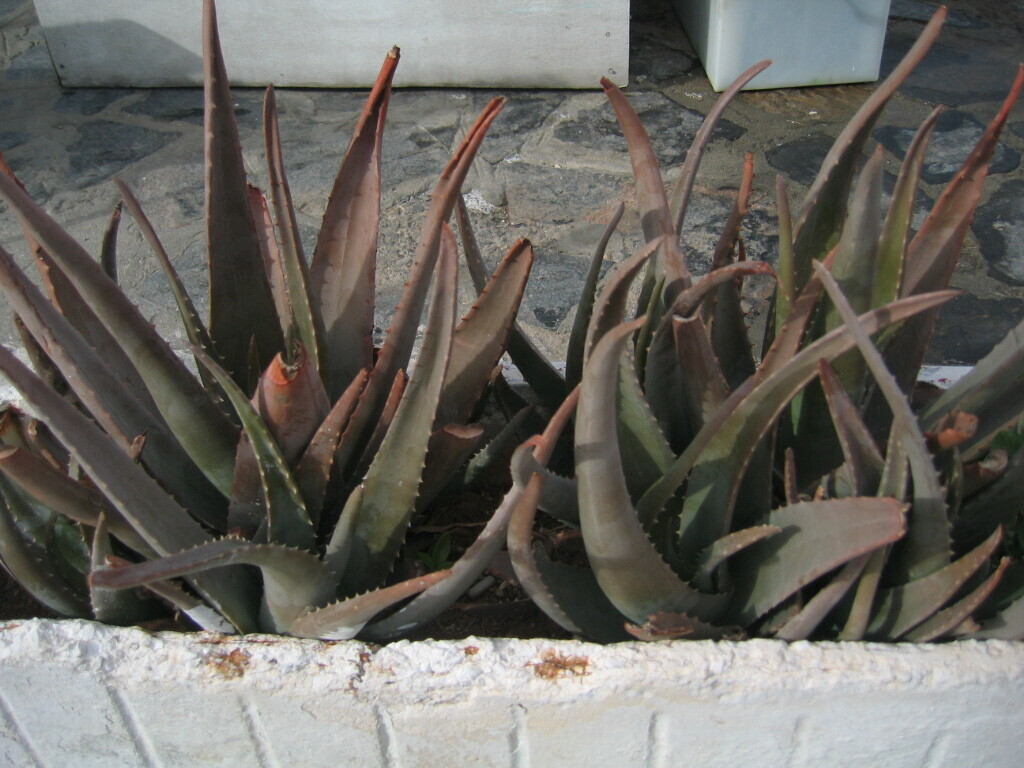
Aloe vera is a classic succulent known for its soothing gel and architectural leaves. It thrives in sunny spots and is quite forgiving if you forget to water it occasionally. It is a perfect choice for beginners looking for a low maintenance companion.
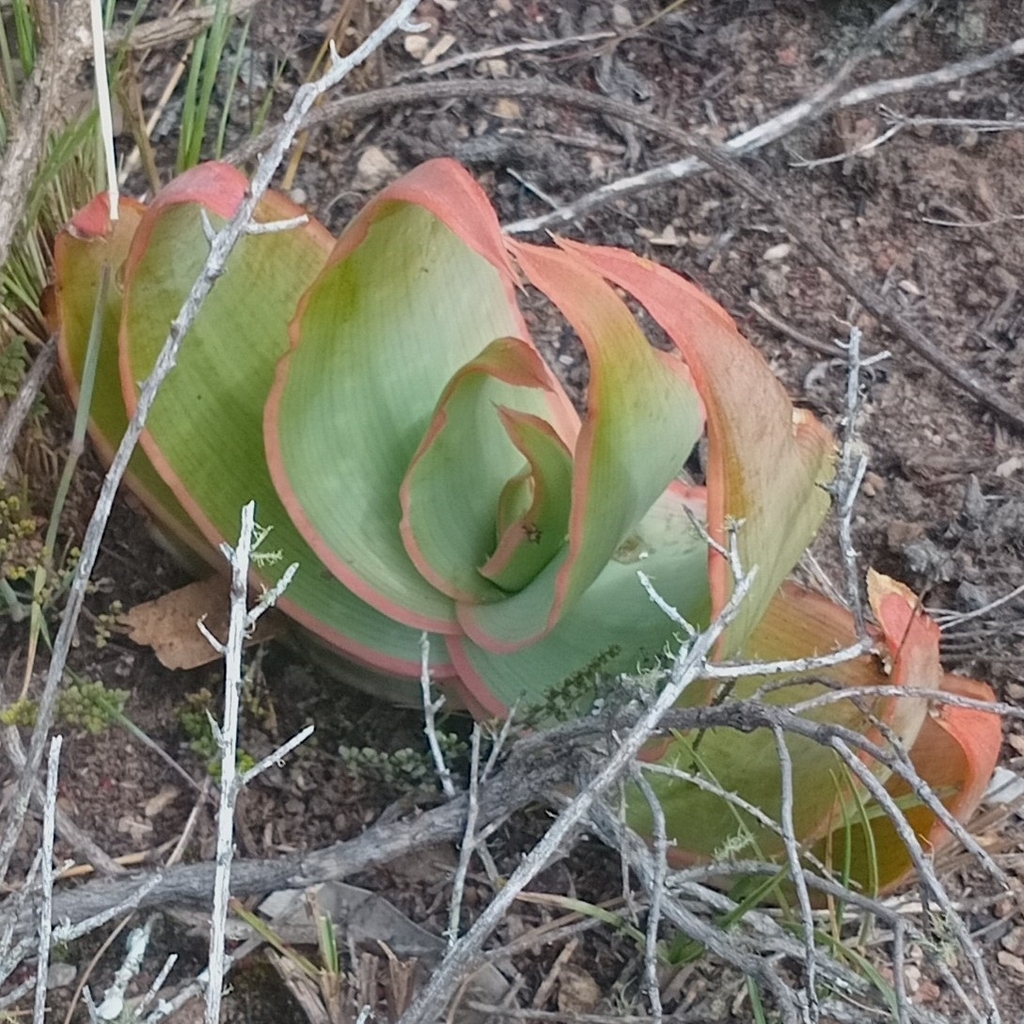
At a glance
- Care level
- Easy
- Plant type
- Succulent
- Light
- Full sun to partial shade
- Indoor light
- Direct sun
- Water
- Every 14 to 21 days
- Mature size
- 2 to 3 feet
- Growth rate
- Medium
- Hardiness
- USDA 9 to 11
- Bloom time
- Late winter to early spring
Care
Let the soil dry out completely between waterings to prevent root rot. Watch for mushy leaves which indicate overwatering, or thin wrinkled leaves that suggest the plant needs a drink. Ensure your pot has drainage holes to keep the roots happy.
- Watering
- Water deeply only when the soil has dried out entirely.
- Feeding
- Feed with a balanced liquid fertilizer diluted to half strength during the growing season.
- Pruning
- Trim away any dead or damaged outer leaves at the base using clean shears.
- Repotting
- Move to a slightly larger container once the plant becomes root bound.
- Soil
- Well draining succulent or cactus mix
- Soil pH
- 6.0 to 8.0
- Temperature
- 5 to 35°C
- Humidity
- 20 to 50%
- Drought tolerance
- High
- Lifespan
- Perennial, typically 10 to 20 years
- Deer and rabbits
- High
Signs it needs repotting
- Roots growing out of the drainage holes
- The plant becomes top-heavy and tips over
- Water drains through the pot too quickly
Safety
- People
- The outer leaf skin contains aloin, which is a potent laxative and can cause stomach cramps if ingested.
- Pets
- This plant is toxic to cats and dogs if ingested.
- Children
- The sharp, serrated leaf edges can scratch young children, and the plant should be kept out of reach to prevent accidental ingestion.
- Contact allergens
- The sap can cause contact dermatitis in sensitive individuals.
- Airborne allergens
- Pollen from flowering aloe can trigger mild respiratory reactions in some people.
- Edibility
- Only the inner gel of Aloe vera is considered safe for consumption, and improper preparation can cause severe digestive distress.
How to identify it
- Thick fleshy lance shaped leaves
- Serrated edges with soft spines
- Rosette growth pattern
- Spikes of yellow or orange flowers
- Height
- 0.3 to 1m
- Spread
- 0.3 to 0.6m
- Leaves
- green, gray-green, evergreen
- Flowers
- orange, yellow, red, 2 to 4cm
Problems to watch for
- Root rot · Fungal decay caused by overwatering or poor soil drainage.
- Mealybugs · Small white insects that suck sap from the leaves.
Check your aloe vera from a photo
Pocket Botanist looks at a photo of your plant and tells you what's wrong and what to try first.
Scan with your phone's camera to get the app
Or go to pocketbotanist.app/get on your phone
Growing it
- Propagation
- offsets, seed
- When to plant
- spring, summer
- Overwintering
- Bring the plant indoors before the first frost. Keep it in a bright spot and reduce watering significantly during the winter months.
- In containers
- Aloe grows very well in containers, provided the pot has excellent drainage and is not too large.
Offset Division
- Wait for the mother plant to produce small offsets or pups at the base.
- Gently remove the pup from the parent, ensuring it has some roots attached.
- Let the pup dry for a few days to callus over.
- Plant the pup in a well-draining succulent potting mix.
Group succulents with similar water needs to avoid accidental overwatering of your aloe.
Grows well with
- Jade Plant · They share similar water and light requirements.
- Echeveria · These succulents look great together and thrive in the same conditions.
Similar species
Science
- Family
- Asphodelaceae
- Genus
- Aloe
- Order
- Asparagales
- Class
- Liliopsida
- Native range
- Arabian Peninsula
- Conservation
- While widely cultivated, some wild populations are threatened by habitat loss and overcollection.
It thrives in arid, rocky environments where it stores moisture in fleshy leaves to survive dry spells.
- Value to wildlife
- nectar source
- Pollinators
- bees, hummingbirds
- Uses
- ornamental, skin care, indoor air purification
Through the year
Ecological indicators
- Salinity
- 2/9
- Soil reaction
- 6/9
- Light
- 7/9
- Temperature
- 8/9
- Moisture
- 2/9
- Nutrients
- 3/9
Taxonomy resolved against GBIF.
Questions people ask
- How often should I water my aloe?
- Water only when the top two inches of soil are completely dry.
- Does aloe need direct sun?
- Yes, it grows best with plenty of direct sun, such as a sunny windowsill, though it tolerates some light shade.
Where the name comes from
The name Aloe is derived from the Arabic word alloeh, meaning shining and bitter substance, while vera is Latin for true.
Good to know
- Aloe is not a cactus, but a succulent in the Asphodelaceae family.
- The plant can store water in its leaves to survive long droughts.
- Aloe vera is one of the most studied medicinal plants in the world.
Also in
Keep your aloe vera growing
This page is a general guide. Save your plant in Pocket Botanist and you get care reminders timed for this plant, plus a care history that shows what worked.
Scan with your phone's camera to get the app
Or go to pocketbotanist.app/get on your phone
This guide was generated with AI on and checked against GBIF taxonomy. It is general information, not horticultural or veterinary advice. Read about how we build these guides.