 Pocket Botanist
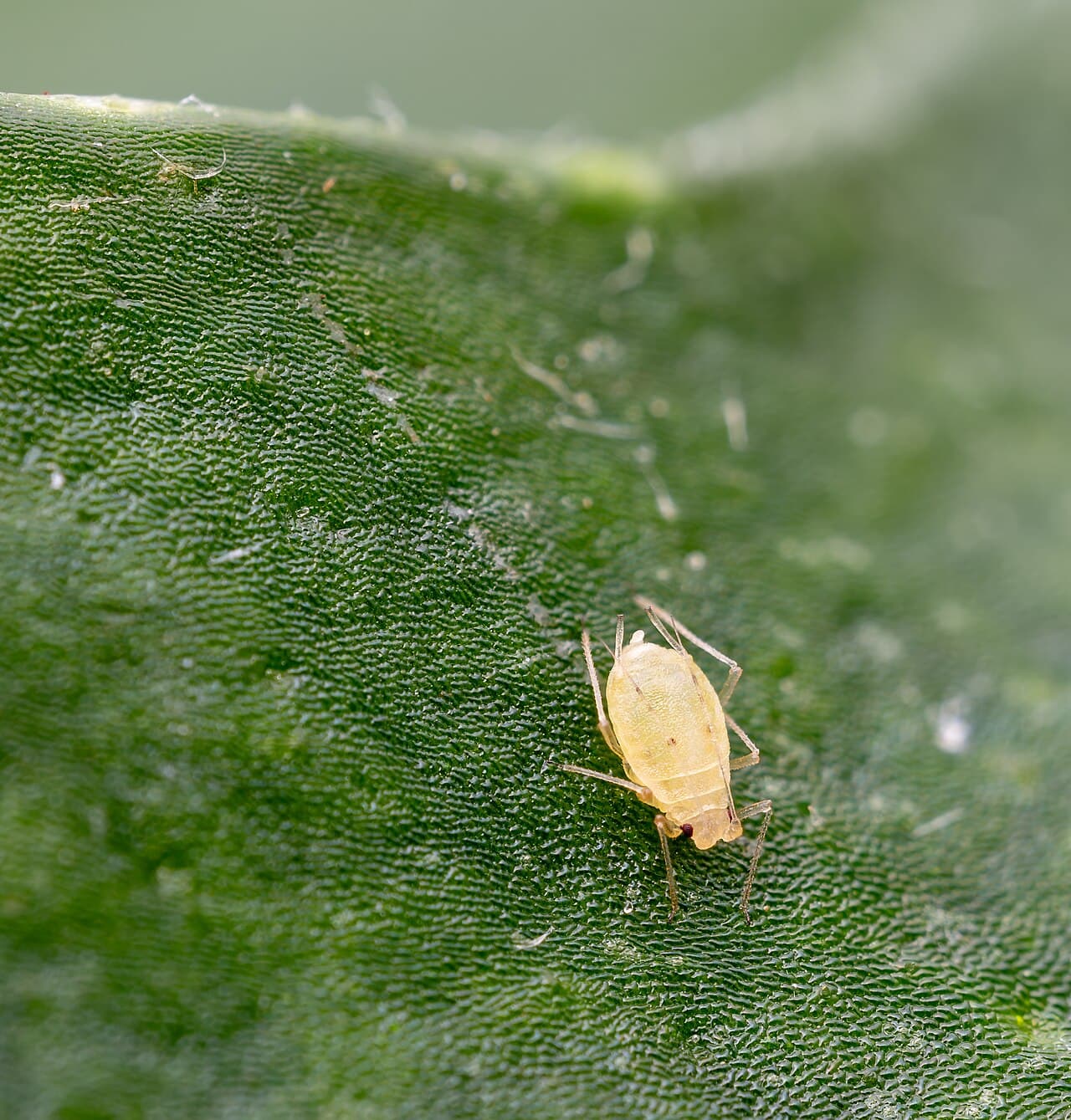

Check these first
- Inspect the flower stalks closely for clusters of tiny insects.
- Check the undersides of the leaves for sticky honeydew residue.
- Look for ants, which often farm aphids on plants.
Likely causes
Aphid infestation
Most likelyHow to tell: You will see small, soft bodied insects clustered on the flower stalks or new growth. The plant may look slightly stunted or have sticky residue on the leaves.
What to do: Spray the plant with a steady stream of water to knock them off. If they persist, use a mild insecticidal soap once a week until they are gone.
Nutrient imbalance
PossibleHow to tell: Over fertilization can lead to soft, succulent growth that attracts pests. The plant might look lush but weak.
What to do: Stop all fertilizer applications for the season. Let the plant grow naturally in its native soil conditions.
Find out what's wrong with your rough hawkbit
The list above covers the usual causes. Pocket Botanist looks at a photo of your actual plant and tells you the likely cause, how serious it is, and what to try first. Identification and a health check are free.



Scan with your phone's camera to get the app
Or go to pocketbotanist.app/get on your phone
When to worry
A few aphids are usually manageable, but you should worry if the flower buds start to deform or fail to open. If the infestation covers the entire plant, it is time to intervene.
Stopping it coming back
Keep your hawkbit in full sun to encourage strong growth. Avoid over fertilizing, as this creates the soft tissue that aphids love.
Rough hawkbit: pests? Check yours with a photo
Every plant is a little different. Take a photo of your rough hawkbit and Pocket Botanist tells you which cause is most likely, how serious it is, and what to try first. A few checks a day are free. Save the plant and you get care reminders timed for it.
Scan with your phone's camera to get the app
Or go to pocketbotanist.app/get on your phone
Get the app · Or check it from a photo now, free
Questions people ask
- Will aphids kill my Rough hawkbit?
- Usually no, but they can weaken the plant and ruin the flowers. It is best to remove them as soon as you spot them.
- Can I use neem oil?
- Yes, neem oil is effective, but apply it in the evening to avoid burning the leaves in the sun. Follow the label instructions for dilution.
Guides to these causes
More problems with Rough hawkbit
- Why is my Leontodon hispidus growing so tall and leggy?
- Why is my Rough hawkbit not flowering?
- Why is my Rough hawkbit drooping?
- Why are my Leontodon hispidus leaves turning yellow?
- Why are the tips of my Leontodon hispidus leaves turning brown?
- Why are there spots on my Leontodon hispidus leaves?
- Why is my Leontodon hispidus showing signs of root rot?
- Why are the leaves on my Leontodon hispidus curling?
Back to the Rough hawkbit guide
This article was generated with AI on from the plant’s care profile and is general information, not horticultural advice. Read about how we build these guides.