 Pocket Botanist
Plant guide
Rough hawkbit.
Leontodon hispidus
Pronounced lee-ON-to-don HIS-pi-dus
Also known as Bristly hawkbit, Greater Hawkbit



Scan with your phone's camera to get the app
Or go to pocketbotanist.app/get on your phone
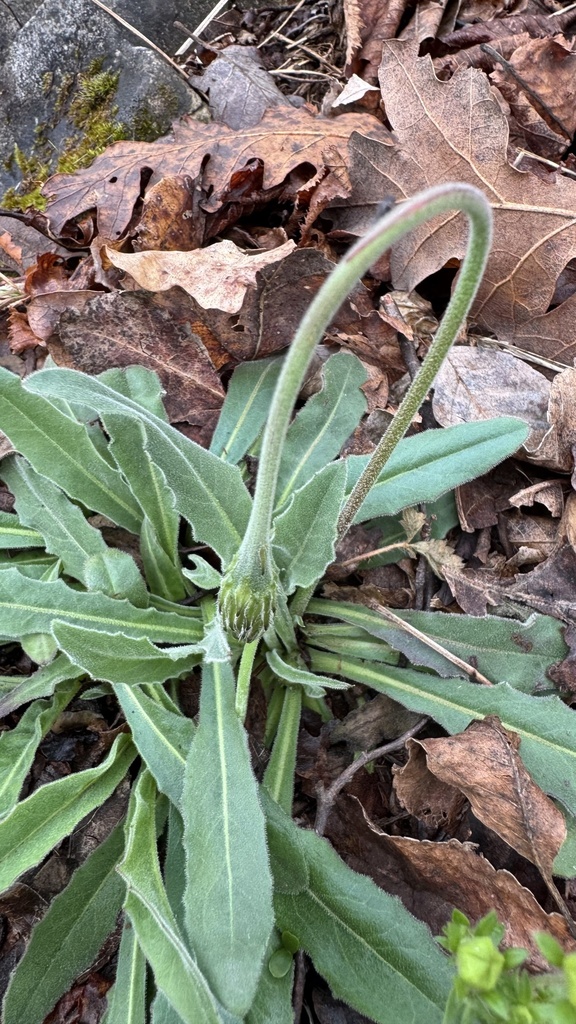
The rough hawkbit is a charming perennial wildflower that looks quite similar to a dandelion. It thrives in meadows and pastures where it adds a splash of yellow to the landscape. You will find it is a hardy plant that handles various soil conditions well.
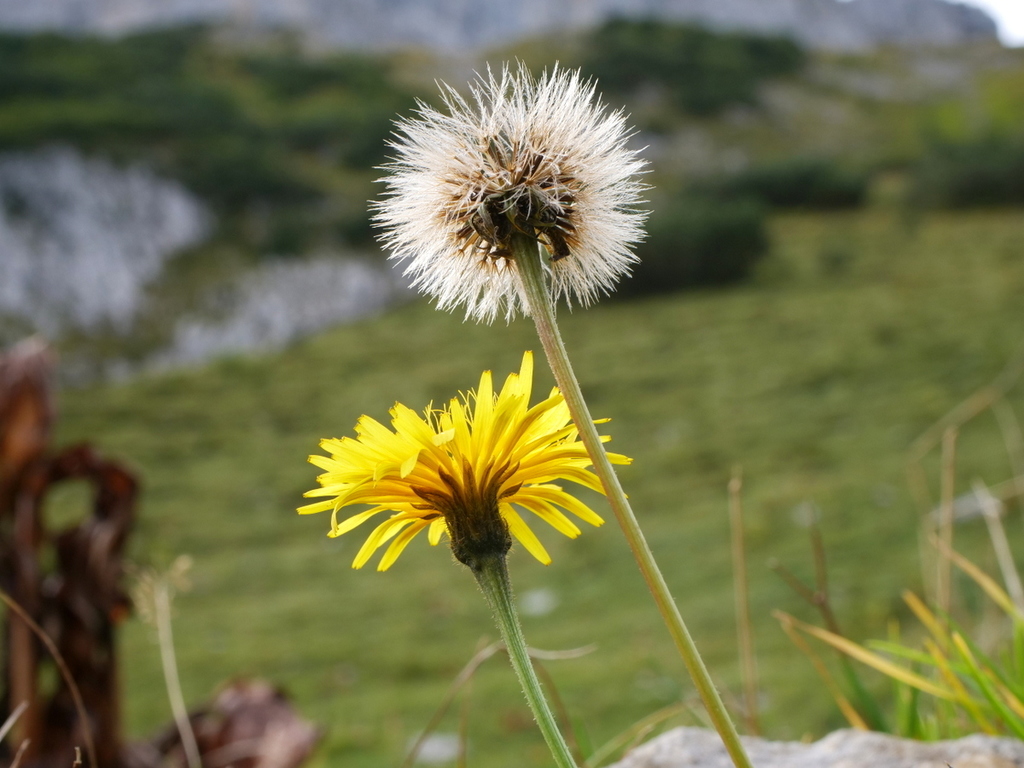
At a glance
- Care level
- Easy
- Plant type
- Perennial wildflower
- Light
- Full sun
- Indoor light
- Direct sun
- Water
- Every 7 to 14 days
- Mature size
- 12 to 18 inches
- Growth rate
- Medium
- Hardiness
- USDA 4 to 8
- Bloom time
- Late spring to mid summer
Care
This plant prefers full sun and well drained soil to stay happy. Keep an eye out for signs of overcrowding from taller grasses, which might shade it out. It is a tough grower that rarely needs special attention once established.
- Watering
- Water when the top inch of soil feels dry to the touch.
- Feeding
- A light application of balanced fertilizer in early spring is plenty.
- Pruning
- Remove spent flower stalks to encourage a tidy appearance.
- Repotting
- Repot only if the plant becomes root bound in its container.
- Soil
- Well drained, loamy or sandy soil
- Soil pH
- Neutral to slightly alkaline
- Temperature
- -25 to 30°C
- Humidity
- 40 to 70%
Safety
- People
- There are no significant reports of human toxicity, but it is not intended for consumption.
- Children
- The plant is not known to be dangerous, but children should be discouraged from eating wild plants.
- Contact allergens
- The bristly hairs on the leaves and stems can cause mild skin irritation in sensitive individuals.
- Airborne allergens
- The pollen may cause mild hay fever symptoms in susceptible people during the peak bloom period.
- Edibility
- While not highly toxic, it is not considered a culinary plant and should be avoided.
How to identify it
- Yellow dandelion like flower heads
- Basal rosette of hairy leaves
- Leafless flowering stems
- Deeply lobed leaf margins
- Height
- 0.1 to 0.4m
- Spread
- 0.15 to 0.3m
- Leaves
- green, deciduous
- Flowers
- yellow, 2 to 4cm
- Fruit
- brown, late summer
Problems to watch for
- Aphids · Small insects that may cluster on the flower stalks.
Check your rough hawkbit from a photo
Pocket Botanist looks at a photo of your plant and tells you what's wrong and what to try first.
Scan with your phone's camera to get the app
Or go to pocketbotanist.app/get on your phone
Growing it
- Propagation
- seed
- When to plant
- spring, autumn
Plant in groups of three or more to create a more natural look in a wildflower meadow.
Grows well with
- Common Daisy · They share similar meadow habitat requirements.
- Red Clover · It provides a nice color contrast in naturalistic plantings.
Similar species
- Dandelion · It has a very similar flower appearance.
Science
- Family
- Asteraceae
- Genus
- Leontodon
- Order
- Asterales
- Class
- Magnoliopsida
- Native range
- Europe and parts of Western Asia.
- Conservation
- It is a common species in its native range and is not currently under threat.
It thrives in nutrient poor, well drained soils where it can compete with other low growing meadow plants.
- Value to wildlife
- nectar source
- Pollinators
- bees, butterflies
- Uses
- meadow gardens, pollinator patches, rock gardens
Through the year
Ecological indicators
- Salinity
- 1/9
- Soil reaction
- 6/9
- Light
- 7/9
- Temperature
- 5/9
- Moisture
- 4/9
- Nutrients
- 3/9
Taxonomy resolved against GBIF.
Questions people ask
- Is this a weed?
- It is often considered a wildflower, though it can spread in lawns.
- Does it need full sun?
- Yes, it prefers bright, open positions to bloom well.
Where the name comes from
The genus name Leontodon comes from the Greek for lion tooth, referring to the leaf shape, while hispidus describes the bristly texture.
Good to know
- The name hispidus refers to the stiff, bristly hairs covering the plant.
- It is often found in old, unimproved grasslands.
- The flowers look like small dandelions.
Keep your rough hawkbit growing
This page is a general guide. Save your plant in Pocket Botanist and you get care reminders timed for this plant, plus a care history that shows what worked.
Scan with your phone's camera to get the app
Or go to pocketbotanist.app/get on your phone
This guide was generated with AI on and checked against GBIF taxonomy. It is general information, not horticultural or veterinary advice. Read about how we build these guides.