 Pocket Botanist
Plant guide
Purple deadnettle.
Lamium purpureum
Pronounced LAY-mee-um pur-PUR-ee-um
Also known as Purple Dead-nettle, Purple Deadnettle



Scan with your phone's camera to get the app
Or go to pocketbotanist.app/get on your phone

This charming little plant is a common sight in gardens and fields during early spring. It is a member of the mint family and spreads quite easily. You will often see it blooming before many other plants wake up.
At a glance
- Care level
- Easy
- Plant type
- Annual herb
- Light
- Full sun to partial shade
- Indoor light
- Bright indirect
- Water
- Every 3 to 7 days
- Mature size
- 10 to 20 centimeters
- Growth rate
- Fast
- Hardiness
- USDA 3 to 9
- Bloom time
- Early spring to late autumn
Care
It thrives in most soil conditions and prefers consistent moisture. Watch for wilting if the soil dries out completely. It can be quite aggressive so keep an eye on its spread.
- Watering
- Keep the soil consistently moist but not waterlogged.
- Feeding
- Fertilizer is usually not needed as it grows vigorously on its own.
- Pruning
- Trim back if you want to control its spread or encourage bushier growth.
- Repotting
- Since it is an annual, you typically do not need to repot it.
- Soil
- Well draining loamy soil
- Soil pH
- 6.0 to 7.5
- Temperature
- -20 to 30°C
- Humidity
- 40 to 70%
- Drought tolerance
- Moderate
- Lifespan
- Annual, typically 1 year
- Deer and rabbits
- Moderate
Signs it needs repotting
- Roots growing out of the drainage holes
- Stunted growth despite regular watering
Safety
- People
- It is generally considered non toxic to humans.
- Pets
- This plant is generally considered non-toxic to cats and dogs.
- Children
- There are no specific safety concerns for children, though it is best to discourage eating wild plants.
- Contact allergens
- Some individuals may experience mild skin irritation from handling the foliage.
- Airborne allergens
- The pollen can be a minor allergen for sensitive individuals during peak bloom.
- Edibility
- While the leaves are technically edible, they can be bitter and are often considered a weed, so ensure they are harvested from clean, chemical free areas.
How to identify it
- Square stems typical of mint family
- Heart shaped leaves with serrated edges
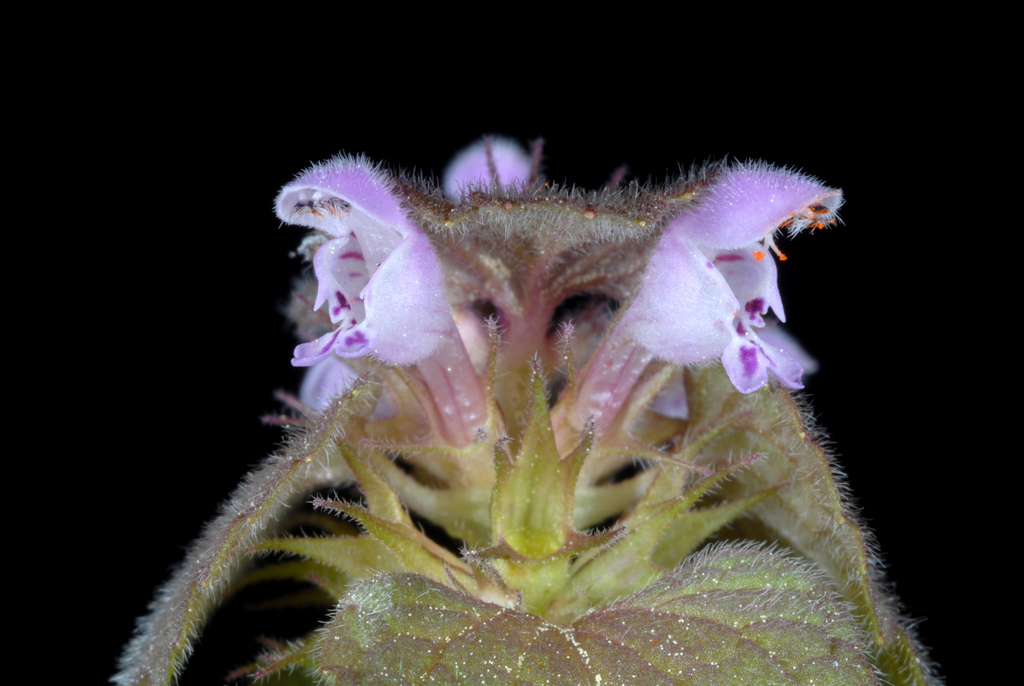
- Purple or pink hooded flowers
- Upper leaves often have purple tint
- Height
- 0.1 to 0.3m
- Spread
- 0.15 to 0.3m
- Leaves
- green, purple, deciduous
- Flowers
- purple, pink, 0.5 to 1.5cm
Problems to watch for
- AphidsCommon
- Downy MildewCommon
- Powdery MildewUncommon
- Slugs and SnailsUncommon
Check your purple deadnettle from a photo
Pocket Botanist looks at a photo of your plant and tells you what's wrong and what to try first.
Scan with your phone's camera to get the app
Or go to pocketbotanist.app/get on your phone
Growing it
- Propagation
- seed
- When to plant
- spring, autumn
- Overwintering
- It often survives the winter as a low rosette of leaves in milder climates.
- In containers
- It grows well in containers but will quickly fill the pot and spread to others if not managed.
Seed
- 1. Collect seeds from dried flower heads in late spring.
- 2. Scatter seeds onto bare, moist soil.
- 3. Lightly rake the soil to cover the seeds.
Because it spreads so aggressively, it is best to keep it away from delicate perennial beds.
Grows well with
- Common Chickweed · They often grow together in similar disturbed soil conditions.
Similar species
- Henbit · It is a very similar looking relative that also grows as a common weed.
Science
- Family
- Lamiaceae
- Genus
- Lamium
- Order
- Lamiales
- Class
- Magnoliopsida
- Native range
- Europe and parts of Asia.
- Conservation
- It is considered a common weed and is not of conservation concern.
It thrives in disturbed soils and garden beds where it can quickly outcompete other small plants.
- Value to wildlife
- early season nectar source
- Pollinators
- bees, butterflies
- Uses
- ground cover, pollinator forage, foraging
Through the year
Ecological indicators
- Salinity
- 2/9
- Soil reaction
- 6/9
- Light
- 5/9
- Temperature
- 5/9
- Moisture
- 5/9
- Nutrients
- 6/9
Taxonomy resolved against GBIF.
Questions people ask
- Is it a perennial?
- It is typically an annual or winter annual.
- How do I get rid of it?
- Hand pulling before it sets seed is the most effective method.
Where the name comes from
The name Lamium comes from the Greek word for throat, referring to the shape of the flowers, while purpureum refers to the purple color of the foliage.
Good to know
- It is often called deadnettle because it looks like stinging nettle but lacks the sting.
- The leaves often turn a distinct purplish hue in cooler weather.
- It is a member of the mint family, which you can tell by its square stems.
Keep your purple deadnettle growing
This page is a general guide. Save your plant in Pocket Botanist and you get care reminders timed for this plant, plus a care history that shows what worked.
Scan with your phone's camera to get the app
Or go to pocketbotanist.app/get on your phone
This guide was generated with AI on and checked against GBIF taxonomy. It is general information, not horticultural or veterinary advice. Read about how we build these guides.