 Pocket Botanist
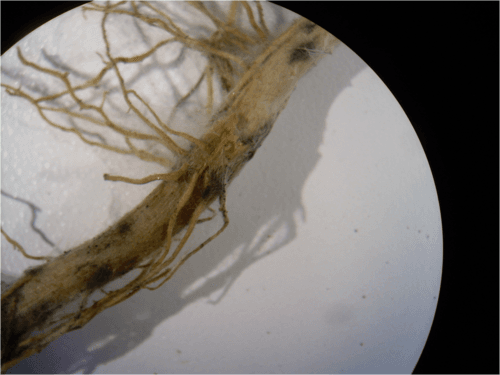

Check these first
- Feel the soil depth with your finger to check for saturation.
- Inspect the base of the trunk for any soft or discolored bark.
- Observe if water pools around the root zone after a heavy rain.
Likely causes
Poor soil drainage
Most likelyHow to tell: The soil around the base remains wet for days after rain or watering. You may notice the tree leaves wilting or turning yellow despite the wet ground.
What to do: Improve the drainage by amending the surrounding soil with organic matter like compost. If the tree is in a low spot, consider building a slight mound to help water move away from the trunk.
Overwatering
PossibleHow to tell: The tree is being watered too frequently, preventing the roots from getting oxygen. The foliage may look sparse and the bark near the base might feel soft or smell sour.
What to do: Wait until the top 3 to 4 inches of soil are dry before watering again. Adjust your schedule to water deeply only every 10 to 14 days rather than on a strict weekly basis.
Find out what's wrong with your crape myrtle
The list above covers the usual causes. Pocket Botanist looks at a photo of your actual plant and tells you the likely cause, how serious it is, and what to try first. Identification and a health check are free.



Scan with your phone's camera to get the app
Or go to pocketbotanist.app/get on your phone
When to worry
If the tree shows significant branch dieback or the trunk base feels mushy, the damage may be severe. Minor yellowing is normal during seasonal transitions, but persistent wilting is a red flag.
Stopping it coming back
Ensure your crape myrtle is planted in well draining soil and avoid piling mulch directly against the trunk.
Crape myrtle: root rot? Check yours with a photo
Every plant is a little different. Take a photo of your crape myrtle and Pocket Botanist tells you which cause is most likely, how serious it is, and what to try first. A few checks a day are free. Save the plant and you get care reminders timed for it.
Scan with your phone's camera to get the app
Or go to pocketbotanist.app/get on your phone
Get the app · Or check it from a photo now, free
Questions people ask
- Can a crape myrtle recover from root rot?
- If caught early, you can save the tree by improving drainage and reducing water. If the roots are already black and mushy, recovery is very difficult.
- How do I know if my soil drains well enough?
- Dig a hole 12 inches deep and fill it with water. If it takes more than a few hours to drain completely, your soil is likely too heavy and needs amendment.
More problems with Crape myrtle
- Why are there white spots on my Crape myrtle leaves?
- Why is my Crape myrtle sticky and covered in bugs?
- Why is my Crape myrtle not blooming?
- Why is my crape myrtle growing so leggy?
- Why are my crape myrtle leaves curling?
- Why are my crape myrtle's leaves turning yellow?
- Why are my crape myrtle's leaf tips turning brown?
- Why is my crape myrtle drooping?
- Why is my crape myrtle losing its leaves?
Back to the Crape myrtle guide
This article was generated with AI on from the plant’s care profile and is general information, not horticultural advice. Read about how we build these guides.