 Pocket Botanist
Plant guide
Bulbous rush.
Juncus bulbosus
Pronounced JUNG-kus bul-BO-sus
Also known as Bulbous Rush



Scan with your phone's camera to get the app
Or go to pocketbotanist.app/get on your phone
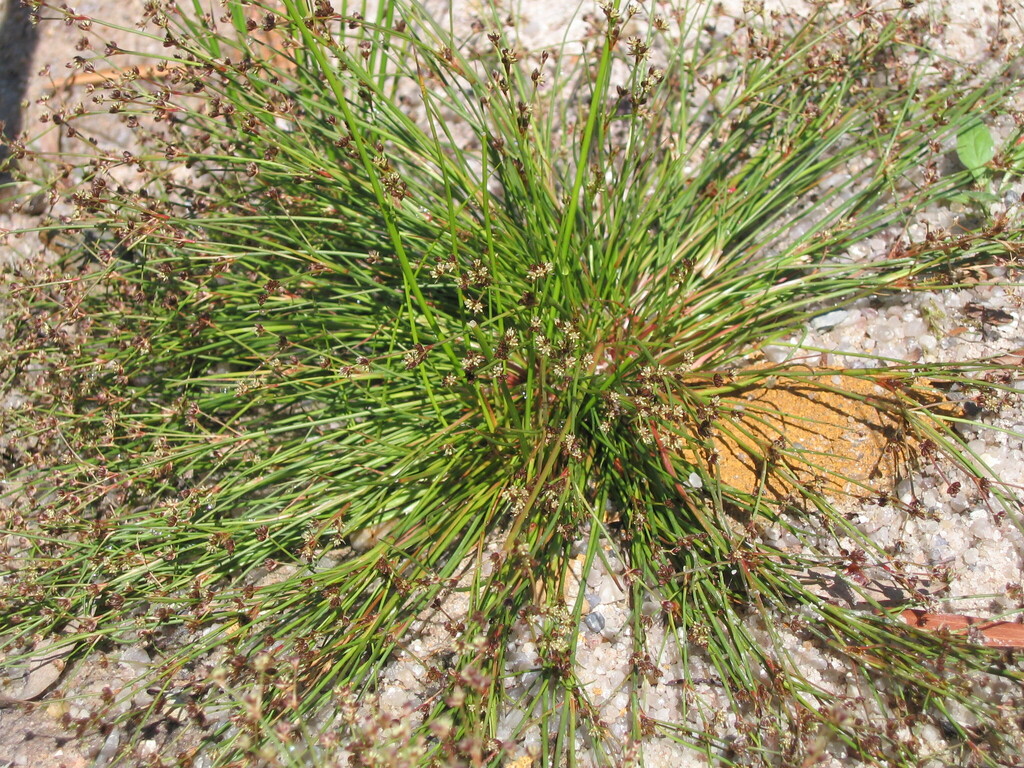
The bulbous rush is a charming, grass like perennial that thrives in wet, marshy environments. It often grows in shallow water or damp soil, making it a great choice for pond edges. You will find it forms dense, attractive mats of slender foliage.

At a glance
- Care level
- Moderate
- Plant type
- Perennial
- Light
- Full sun to partial shade
- Indoor light
- Bright indirect
- Water
- Every 1 to 3 days
- Mature size
- 2 to 12 inches
- Growth rate
- Medium
- Hardiness
- USDA 5 to 9
- Bloom time
- Mid to late summer
Care
Keep the soil consistently moist or partially submerged to mimic its natural habitat. Watch for yellowing stems, which often signal that the plant is drying out too much. Ensure it gets plenty of light to maintain its vibrant color.
- Watering
- Keep the soil saturated or keep the base in shallow water at all times.
- Feeding
- Fertilizer is rarely needed, as this plant prefers nutrient poor conditions and feeding can encourage algae in the water.
- Pruning
- Trim back dead or brown stems in late autumn to encourage fresh spring growth.
- Repotting
- Repot when the plant becomes root bound or the mat grows too dense for its container.
- Soil
- Wet, acidic, nutrient poor soil
- Soil pH
- 4.5 to 6.5
- Temperature
- -29 to 30°C
- Humidity
- 60 to 100%
- Drought tolerance
- Low
- Lifespan
- Perennial, typically 3 to 5 years.
- Deer and rabbits
- High
Signs it needs repotting
- Roots circling the bottom of the container
- Stunted growth
- The plant has outgrown its current vessel
Safety
- People
- There are no known toxic effects from handling or accidental ingestion of this plant.
- Children
- The thin, grass-like leaves can be sharp if handled roughly, so keep an eye on small children.
- Edibility
- This plant is not considered edible for humans.
How to identify it
- Slender, grass like green stems
- Forms dense, low growing mats
- Small, brownish flower clusters
- Often grows in shallow water
- Height
- 0.05 to 0.3m
- Spread
- 0.1 to 0.4m
- Leaves
- green, semi-evergreen
- Flowers
- brown, green, 0.2 to 0.5cm
Problems to watch for
- Algal overgrowth · Excessive algae in the water can smother the plant and block necessary light.
Check your bulbous rush from a photo
Pocket Botanist looks at a photo of your plant and tells you what's wrong and what to try first.
Scan with your phone's camera to get the app
Or go to pocketbotanist.app/get on your phone
Growing it
- Propagation
- division, seed
- When to plant
- spring, autumn
- Overwintering
- In cold climates, ensure the plant remains submerged below the ice line to prevent the crown from freezing solid. If grown in a shallow container, move it to a frost-free area.
- In containers
- It is excellent for containers, provided the pot has no drainage holes or is kept in a larger water-filled vessel.
Division
- 1. Carefully lift the clump from the water or soil.
- 2. Gently pull the root mass apart into smaller sections.
- 3. Replant the divisions immediately into wet substrate.
Group this plant with other moisture-loving species that prefer acidic soil to create a balanced bog garden.
Grows well with
- Marsh Marigold · They both thrive in the same wet, boggy conditions.
- Bog Bean · This plant provides a nice textural contrast to the fine foliage of the rush.
Similar species
- Soft Rush · It is a much larger, upright relative that serves a similar ecological role.
Science
- Family
- Juncaceae
- Genus
- Juncus
- Order
- Poales
- Class
- Liliopsida
- Native range
- Europe and parts of North Africa.
- Conservation
- It is widespread across its native range and not currently of conservation concern.
It thrives in acidic, nutrient-poor wetlands where it outcompetes other plants by forming dense, low-growing mats.
- Value to wildlife
- provides cover for aquatic insects, nesting material for waterfowl
- Pollinators
- bees
- Uses
- water garden accent, bog garden filler, erosion control in wet areas
Through the year
Ecological indicators
- Salinity
- 1/9
- Soil reaction
- 3/9
- Light
- 7/9
- Temperature
- 4/9
- Moisture
- 9/9
- Nutrients
- 2/9
Taxonomy resolved against GBIF.
Questions people ask
- Can I grow this in a standard garden bed?
- Only if the soil remains constantly saturated or boggy, as it will quickly die in dry conditions.
- Does it need full sun?
- It prefers full sun but will tolerate partial shade if the water is clear.
Where the name comes from
The genus name Juncus comes from the Latin word for a tie or binder, referring to the historical use of these plants for weaving, while bulbosus refers to the slightly swollen base of the stems.
Good to know
- It often forms dense, carpet-like mats in shallow water.
- The plant's appearance changes drastically depending on whether it is growing in water or on land.
- It is a common sight in acidic heathlands and peat bogs.
Also in
Keep your bulbous rush growing
This page is a general guide. Save your plant in Pocket Botanist and you get care reminders timed for this plant, plus a care history that shows what worked.
Scan with your phone's camera to get the app
Or go to pocketbotanist.app/get on your phone
This guide was generated with AI on and checked against GBIF taxonomy. It is general information, not horticultural or veterinary advice. Read about how we build these guides.