 Pocket Botanist
Plant guide
Jacaranda.
Jacaranda mimosifolia
Pronounced jak-uh-RAN-duh mim-oh-sih-FOH-lee-uh
Also known as Black Poui, Blue Brazilian, Brazilian Rosewood, Fern Tree, blue jacaranda



Scan with your phone's camera to get the app
Or go to pocketbotanist.app/get on your phone

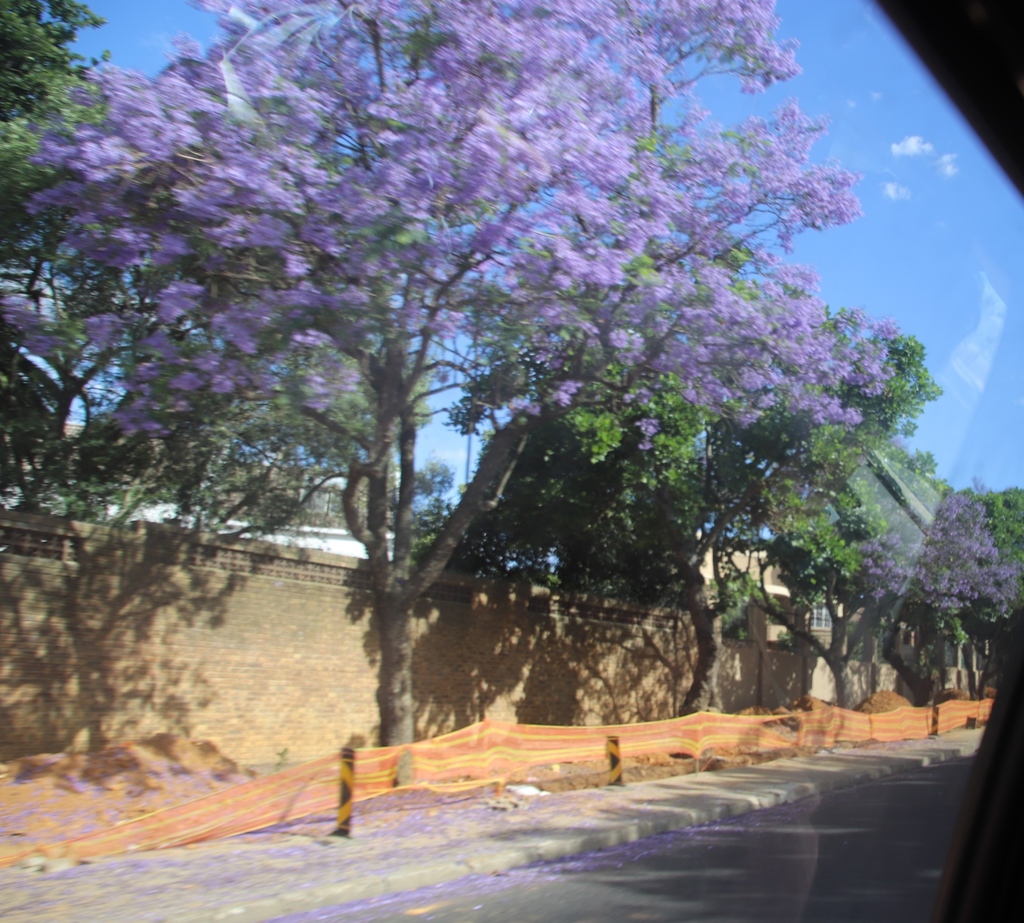
The Jacaranda is a stunning tropical tree famous for its massive display of trumpet shaped purple flowers. It creates a light, airy canopy with its delicate, fern like foliage. This tree thrives in warm climates and makes a beautiful focal point in large gardens.
At a glance
- Care level
- Moderate
- Plant type
- Deciduous tree
- Light
- Full sun
- Indoor light
- Direct sun
- Water
- Every 7 to 14 days
- Mature size
- 10 to 15 meters
- Growth rate
- Fast
- Hardiness
- USDA 9 to 11
- Bloom time
- Late spring to early summer
Care
Plant your tree in a spot with plenty of sun and well draining soil to keep it happy. Watch for yellowing leaves which can indicate overwatering or poor drainage. Prune lightly after flowering to maintain a nice shape and remove any dead wood.
- Watering
- Water deeply and regularly while young, but mature trees are quite drought tolerant.
- Feeding
- Apply a balanced fertilizer during the active growing season.
- Pruning
- Prune in late summer after the flowering period ends to shape the canopy.
- Repotting
- Repot young trees every few years until they reach a size suitable for permanent planting.
- Soil
- Well draining sandy or loamy soil
- Soil pH
- Slightly acidic to neutral
- Temperature
- -7 to 40°C
- Humidity
- 40 to 70%
- Drought tolerance
- High
- Lifespan
- Perennial, typically 50 to 100 years.
- Fragrance
- Light
- Deer and rabbits
- Moderate
Signs it needs repotting
- Roots growing out of the drainage holes.
- Water running straight through the pot without soaking in.
Safety
- People
- The plant is generally considered non-toxic, but ingestion of plant parts is not recommended.
- Pets
- The plant is considered mildly toxic to cats and dogs if ingested.
- Children
- The seed pods can be a choking hazard for small children if ingested.
- Contact allergens
- The foliage can cause mild skin irritation in sensitive individuals.
- Airborne allergens
- The pollen may cause mild hay fever symptoms in some people during the flowering season.
- Edibility
- This plant is not considered edible and should not be consumed.
How to identify it
- Fern like bipinnate leaves
- Clusters of trumpet shaped purple flowers
- Light gray, smooth bark
- Flat, woody, circular seed pods
- Height
- 5 to 15m
- Spread
- 4 to 10m
- Leaves
- green, semi-evergreen
- Flowers
- purple, blue, 3 to 5cm
- Fruit
- brown, Autumn
Problems to watch for
- AphidsCommon
- Leaf ScorchUncommon
- Root RotUncommon
- Sooty MoldUncommon
Check your jacaranda from a photo
Pocket Botanist looks at a photo of your plant and tells you what's wrong and what to try first.
Scan with your phone's camera to get the app
Or go to pocketbotanist.app/get on your phone
Growing it
- Propagation
- seed, cuttings
- When to plant
- spring, autumn
- Overwintering
- In cooler areas, protect young trees from frost with a cover. Ensure the soil is well drained to prevent root issues during the dormant season.
- In containers
- It is not well suited for long term container growth due to its large size and extensive root system.
Seed
- 1. Collect mature brown seed pods.
- 2. Extract seeds and soak them in warm water for 24 hours.
- 3. Plant in well draining soil mix.
- 4. Keep warm and moist until germination.
Plant these trees in open areas where their large root systems have space to spread without damaging nearby structures.
Grows well with
- Bird of Paradise · They share similar water and light requirements in warm climates.
- Bougainvillea · Both plants enjoy full sun and provide a striking color contrast.
Similar species
- Jacaranda cuspidifolia · It is a closely related species with similar growth habits and flower color.
Science
- Family
- Bignoniaceae
- Genus
- Jacaranda
- Order
- Lamiales
- Class
- Magnoliopsida
- Native range
- South America, specifically Argentina and Bolivia.
- Conservation
- It is listed as vulnerable in its native habitat due to habitat loss.
It thrives in warm climates with distinct wet and dry seasons, which trigger its dramatic flowering cycle.
- Value to wildlife
- nectar source
- Pollinators
- bees, butterflies, hummingbirds
- Uses
- ornamental tree, shade tree, street tree
Through the year
Ecological indicators
- Soil reaction
- 6/9
- Light
- 8/9
- Nutrients
- 5/9
- Salinity
- 2/9
- Temperature
- 8/9
- Moisture
- 4/9
Taxonomy resolved against GBIF.
Questions people ask
- Why is my Jacaranda not blooming?
- It often requires several years of growth and plenty of full sun to produce flowers.
- How much water does it need?
- Once established, it is quite drought tolerant but appreciates regular water during the first few years.
Where the name comes from
The genus name Jacaranda is derived from a native South American language, while the species name mimosifolia refers to the resemblance of its leaves to those of the Mimosa genus.
Good to know
- The name Jacaranda comes from a Tupi word meaning fragrant.
- It is widely planted as a street tree in cities such as Pretoria and Buenos Aires.
- The wood is often used for fine woodworking and musical instruments.
Also in
Keep your jacaranda growing
This page is a general guide. Save your plant in Pocket Botanist and you get care reminders timed for this plant, plus a care history that shows what worked.
Scan with your phone's camera to get the app
Or go to pocketbotanist.app/get on your phone
This guide was generated with AI on and checked against GBIF taxonomy. It is general information, not horticultural or veterinary advice. Read about how we build these guides.