 Pocket Botanist
Plant guide
Tutsan.
Hypericum androsaemum
Pronounced hy-PEER-ih-kum an-dro-SEE-mum
Also known as Bible-leaf, Sweet-amber



Scan with your phone's camera to get the app
Or go to pocketbotanist.app/get on your phone

Tutsan is a lovely semi evergreen shrub that brings a touch of wild beauty to the garden. It produces bright yellow flowers followed by showy berries that change from red to black. It is a hardy plant that fits well in woodland settings or mixed borders.
At a glance
- Care level
- Easy
- Plant type
- Shrub
- Light
- Partial shade to full sun
- Indoor light
- Bright indirect
- Water
- Every 7 to 14 days
- Mature size
- 3 to 4 feet
- Growth rate
- Medium
- Hardiness
- USDA 6 to 9
- Bloom time
- Early to late summer
Care
Plant this shrub in well draining soil and provide regular moisture while it gets established. Watch for yellowing leaves which can indicate poor drainage or too much shade. Prune back any damaged stems in early spring to encourage fresh growth.
- Watering
- Keep the soil consistently moist but never waterlogged.
- Feeding
- Apply a balanced slow release fertilizer once in early spring.
- Pruning
- Trim back the plant in early spring to maintain its shape and remove dead wood.
- Repotting
- Repot only if the plant becomes root bound or needs fresh soil.
- Soil
- Moist but well drained soil
- Soil pH
- Neutral to slightly acidic
- Temperature
- -15 to 30°C
- Humidity
- 40 to 70%
- Drought tolerance
- Moderate
- Lifespan
- Perennial, typically 10 to 20 years
- Deer and rabbits
- Moderate
Signs it needs repotting
- Roots growing out of the drainage holes
- Water running straight through the pot
- Stunted growth during the active season
Safety
- People
- All parts of the plant can cause mild stomach upset if ingested in large quantities.
- Pets
- This plant is considered toxic to cats and dogs if ingested.
- Children
- Keep children away from the berries as they are attractive but potentially harmful if eaten.
- Contact allergens
- The foliage can cause photosensitivity in some individuals upon skin contact.
- Airborne allergens
- There are no significant reports of respiratory allergies associated with this plant.
- Edibility
- The berries are generally considered inedible or mildly toxic to humans and should not be consumed.
How to identify it
- Opposite, oval shaped green leaves
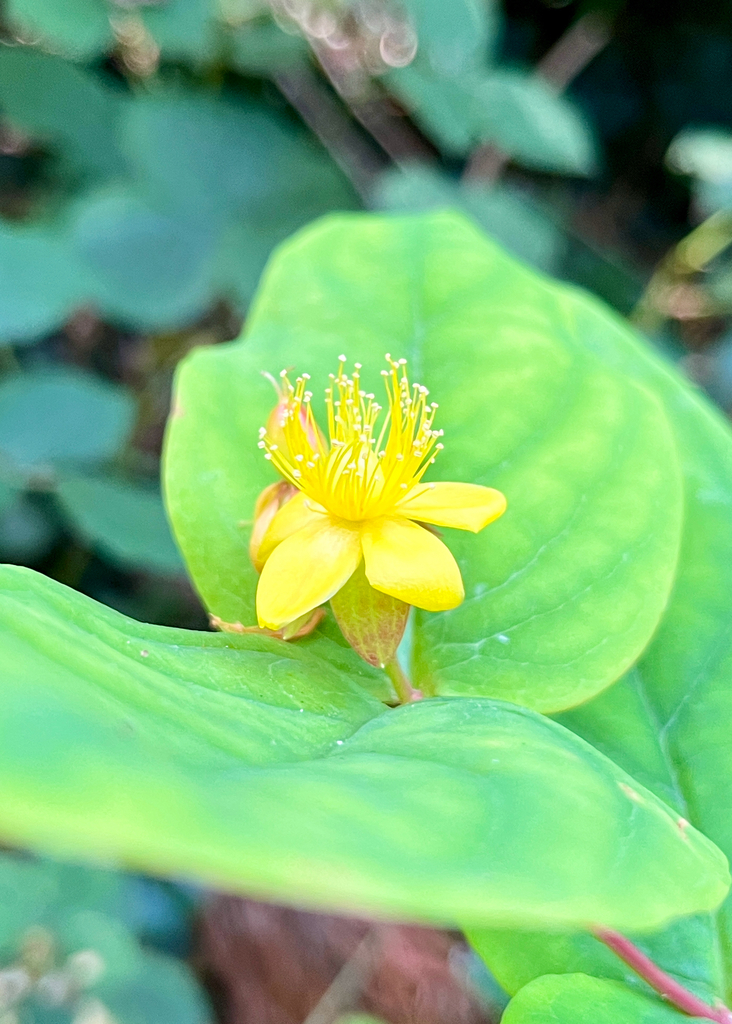
- Bright yellow star shaped flowers
- Clusters of fleshy red berries
- Berries turn glossy black when ripe
- Semi evergreen foliage habit
- Height
- 0.6 to 1m
- Spread
- 0.6 to 1m
- Leaves
- green, semi-evergreen
- Flowers
- yellow, 2 to 3cm
- Fruit
- red, black, Autumn
Problems to watch for
Check your tutsan from a photo
Pocket Botanist looks at a photo of your plant and tells you what's wrong and what to try first.
Scan with your phone's camera to get the app
Or go to pocketbotanist.app/get on your phone
Growing it
- Propagation
- seed, cuttings, division
- When to plant
- spring, autumn
- Overwintering
- In colder regions, apply a layer of mulch around the base to protect the roots. Cut back any frost damaged stems in early spring.
- In containers
- It grows well in large containers with good drainage, but requires regular watering.
Softwood Cuttings
- 1. Take 10cm cuttings in early summer.
- 2. Remove lower leaves.
- 3. Dip in rooting hormone.
- 4. Place in moist, well-draining soil.
- 5. Keep in a warm, bright spot until rooted.
Plant in groups to create a dense ground cover that suppresses weeds effectively.
Grows well with
Similar species
- St. John's Wort · It is a related species with similar yellow flowers but different medicinal properties.
Science
- Family
- Hypericaceae
- Genus
- Hypericum
- Order
- Malpighiales
- Class
- Magnoliopsida
- Native range
- Western and Southern Europe, North Africa, and Western Asia.
- Conservation
- This plant is not of conservation concern and is considered a weed in some regions.
It thrives in woodland margins and hedgerows where it competes well for light and moisture.
- Value to wildlife
- nectar source, provides berries for birds
- Pollinators
- bees, butterflies
- Uses
- ornamental shrub, ground cover, cut foliage for arrangements
Through the year
Ecological indicators
- Salinity
- 2/9
- Soil reaction
- 5/9
- Light
- 5/9
- Temperature
- 5/9
- Moisture
- 5/9
- Nutrients
- 5/9
Taxonomy resolved against GBIF.
Questions people ask
- Is Tutsan invasive?
- It can be aggressive in some climates and may self seed readily.
- Does it need pruning?
- Pruning in early spring helps maintain a tidy shape and encourages fresh growth.
Where the name comes from
Hypericum is an ancient Greek name of uncertain origin, while androsaemum means man's blood, referring to the red juice of the berries.
Good to know
- The berries change color from red to glossy black as they ripen.
- It is a tough, reliable plant for difficult garden spots.
- It often self seeds freely in the garden.
Also in
Keep your tutsan growing
This page is a general guide. Save your plant in Pocket Botanist and you get care reminders timed for this plant, plus a care history that shows what worked.
Scan with your phone's camera to get the app
Or go to pocketbotanist.app/get on your phone
This guide was generated with AI on and checked against GBIF taxonomy. It is general information, not horticultural or veterinary advice. Read about how we build these guides.