 Pocket Botanist
Plant guide
Herb Robert.
Geranium robertianum
Pronounced jeh-RAY-nee-um roh-ber-tee-AH-num
Also known as Herb Robert, Herb-Robert, Mountain Geranium, Robert Geranium, Robert's Geranium



Scan with your phone's camera to get the app
Or go to pocketbotanist.app/get on your phone
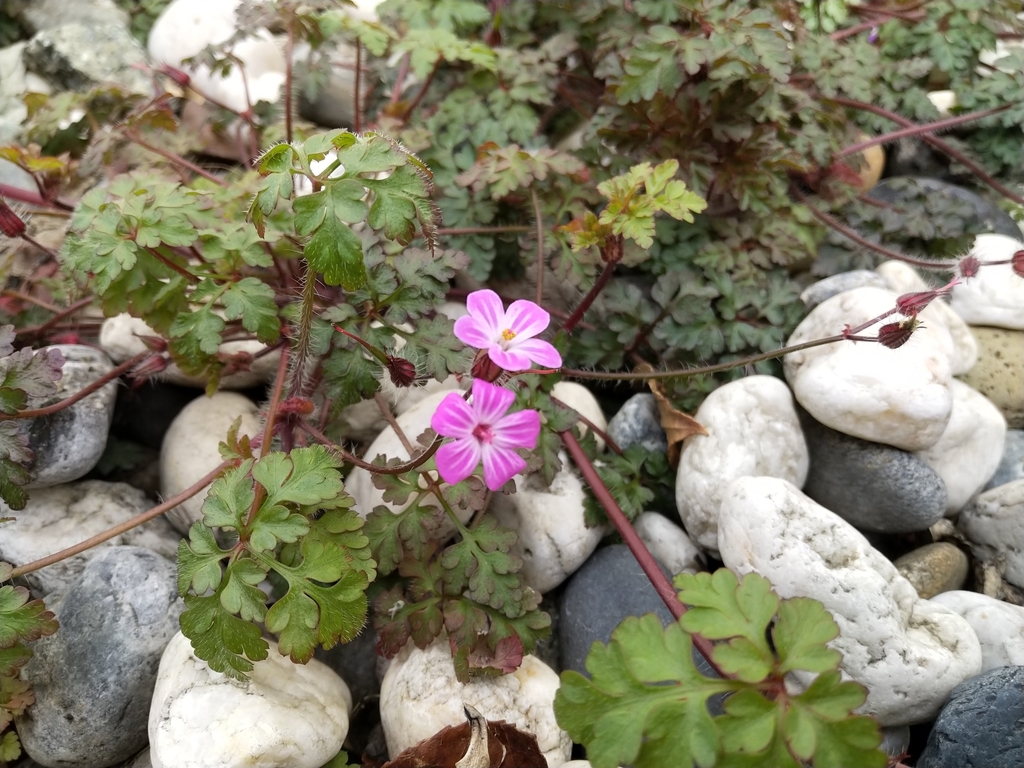
Herb Robert is a charming, low growing plant often found in woodlands and rocky areas. It has a delicate appearance with lacy foliage and small pink flowers. You will find it is quite resilient and often spreads easily in the garden.
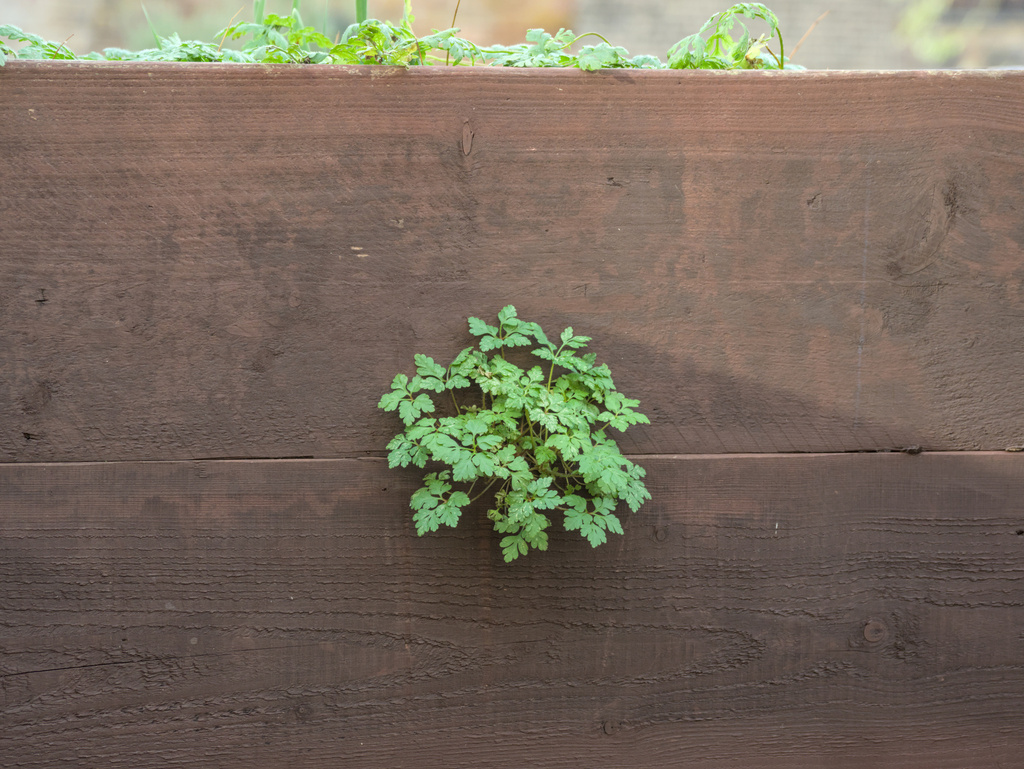
At a glance
- Care level
- Easy
- Plant type
- Herbaceous annual or biennial
- Light
- Partial shade to full sun
- Indoor light
- Bright indirect
- Water
- Every 3 to 7 days
- Mature size
- 12 to 18 inches
- Growth rate
- Fast
- Hardiness
- USDA 4 to 9
- Bloom time
- Late spring to early autumn
Care
Keep the soil consistently moist but not waterlogged to mimic its natural woodland habitat. Watch for wilting if the soil dries out too much, as this plant prefers steady hydration. It is quite adaptable, but it does best when it has a bit of protection from harsh afternoon sun.
- Watering
- Water whenever the top inch of soil feels dry to the touch.
- Feeding
- Apply a balanced liquid fertilizer sparingly during the active growing season.
- Pruning
- Trim back spent flower stems to encourage a tidy appearance and prevent excessive self seeding.
- Repotting
- Repot only if the plant becomes root bound or if you need to refresh the soil.
- Soil
- Well draining, humus rich soil
- Soil pH
- Neutral to slightly alkaline
- Temperature
- -20 to 30°C
- Humidity
- 40 to 70%
Safety
- People
- The plant is generally considered non-toxic but may cause mild skin irritation in sensitive individuals.
- Children
- Keep away from small children as the foliage can be irritating if handled excessively or ingested.
- Contact allergens
- The glandular hairs on the stems and leaves can cause contact dermatitis in sensitive people.
- Airborne allergens
- Pollen may cause mild reactions in those with severe seasonal allergies.
- Edibility
- While historically used in herbal medicine, it is not recommended for consumption due to potential toxicity and lack of modern safety data.
How to identify it
- Lacy, fern like foliage
- Small five petaled pink flowers
- Stems often turn reddish
- Distinctive musky scent when crushed
- Height
- 0.1 to 0.5m
- Spread
- 0.15 to 0.4m
- Leaves
- green, reddish-bronze, deciduous
- Flowers
- pink, magenta, 1 to 2cm
- Fruit
- brown, Summer to autumn
Problems to watch for
- AphidsCommon
- Powdery MildewCommon
- Slugs and SnailsCommon
- RustUncommon
Check your herb robert from a photo
Pocket Botanist looks at a photo of your plant and tells you what's wrong and what to try first.
Scan with your phone's camera to get the app
Or go to pocketbotanist.app/get on your phone
Growing it
- Propagation
- seed
- When to plant
- spring, autumn
Plant it in areas where you want a naturalizing ground cover, but be prepared to pull seedlings if they spread too far.
Grows well with
Similar species
- Dove's Foot Cranesbill · It is a similar small-flowered annual geranium often found in similar habitats.
Science
- Family
- Geraniaceae
- Genus
- Geranium
- Order
- Geraniales
- Class
- Magnoliopsida
- Native range
- Europe, Asia, and parts of North Africa.
- Conservation
- It is a common and widespread plant not currently of conservation concern.
It grows in moist, shaded environments like woodland floors and rocky crevices where it can easily colonize disturbed soil.
- Value to wildlife
- nectar source
- Pollinators
- bees, butterflies, moths
- Uses
- ground cover, woodland gardens, pollinator gardens
Through the year
Ecological indicators
- Salinity
- 1/9
- Soil reaction
- 6/9
- Light
- 4/9
- Temperature
- 5/9
- Moisture
- 5/9
- Nutrients
- 5/9
Taxonomy resolved against GBIF.
Questions people ask
- Is Herb Robert a weed?
- It is often considered a weed because it spreads quickly by seed, though many gardeners appreciate its delicate flowers.
- Does it grow in shade?
- Yes, it thrives in partial to full shade, making it perfect for woodland areas.
Where the name comes from
The scientific name honors Saint Robert, who was thought to have used the plant to cure various ailments. The common name Herb Robert is a direct derivation of this association.
Good to know
- The leaves often turn a brilliant red color in the autumn or when exposed to full sun.
- It is an annual or biennial plant that readily self-seeds in the garden.
- The seeds are ejected explosively from the fruit capsule to spread away from the parent plant.
Keep your herb robert growing
This page is a general guide. Save your plant in Pocket Botanist and you get care reminders timed for this plant, plus a care history that shows what worked.
Scan with your phone's camera to get the app
Or go to pocketbotanist.app/get on your phone
This guide was generated with AI on and checked against GBIF taxonomy. It is general information, not horticultural or veterinary advice. Read about how we build these guides.