 Pocket Botanist
Guide botanique
Herb Robert.
Geranium robertianum
Prononciation jeh-RAY-nee-um roh-ber-tee-AH-num
Aussi appelée Herb Robert, Herb-Robert, Mountain Geranium, Robert Geranium, Robert's Geranium



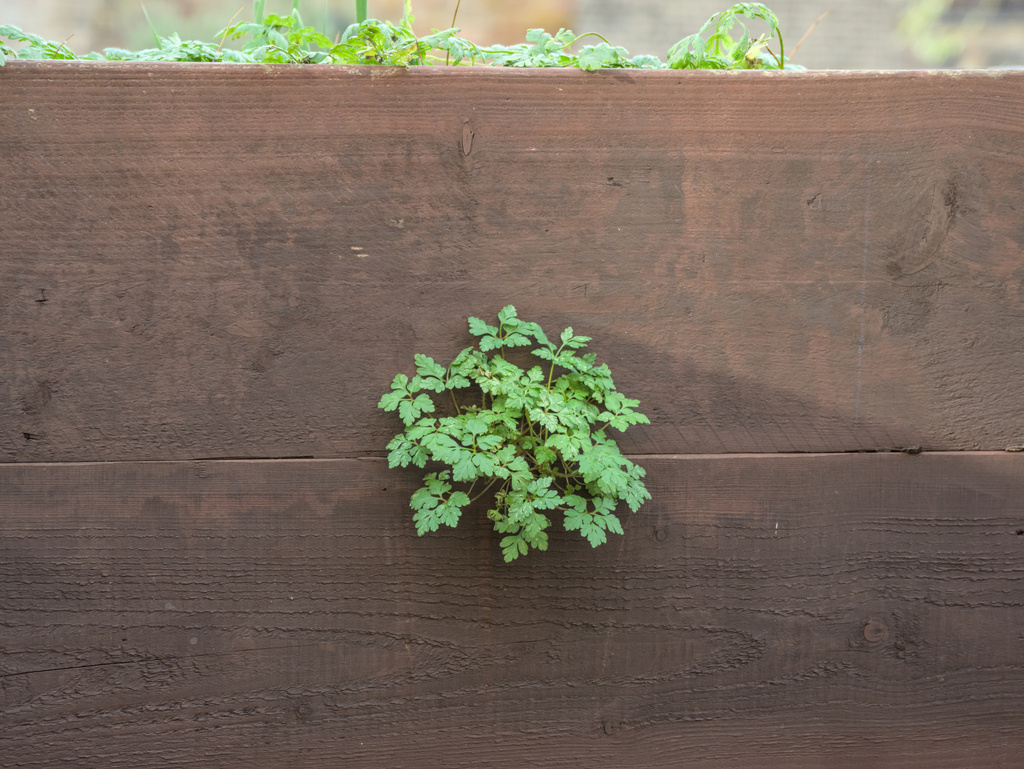
Herb Robert is a charming, low growing plant often found in woodlands and rocky areas. It has a delicate appearance with lacy foliage and small pink flowers. You will find it is quite resilient and often spreads easily in the garden.
En un coup d'œil
- Niveau d'entretien
- Facile
- Type de plante
- Herbaceous annual or biennial
- Lumière
- Partial shade to full sun
- Lumière en intérieur
- Lumière vive indirecte
- Arrosage
- Tous les 3 à 7 jours
- Taille adulte
- 12 to 18 inches
- Croissance
- Rapide
- Rusticité
- USDA 4 à 9
- Floraison
- Late spring to early autumn
Entretien
Keep the soil consistently moist but not waterlogged to mimic its natural woodland habitat. Watch for wilting if the soil dries out too much, as this plant prefers steady hydration. It is quite adaptable, but it does best when it has a bit of protection from harsh afternoon sun.
- Arrosage
- Water whenever the top inch of soil feels dry to the touch.
- Engrais
- Apply a balanced liquid fertilizer sparingly during the active growing season.
- Taille
- Trim back spent flower stems to encourage a tidy appearance and prevent excessive self seeding.
- Rempotage
- Repot only if the plant becomes root bound or if you need to refresh the soil.
- Sol
- Well draining, humus rich soil
- pH du sol
- Neutral to slightly alkaline
- Température
- -20 à 30°C
- Humidité
- 40 à 70%
Sécurité
- Humains
- The plant is generally considered non-toxic but may cause mild skin irritation in sensitive individuals.
- Enfants
- Keep away from small children as the foliage can be irritating if handled excessively or ingested.
- Allergènes de contact
- The glandular hairs on the stems and leaves can cause contact dermatitis in sensitive people.
- Allergènes aéroportés
- Pollen may cause mild reactions in those with severe seasonal allergies.
- Comestibilité
- While historically used in herbal medicine, it is not recommended for consumption due to potential toxicity and lack of modern safety data.
Comment l'identifier
- Lacy, fern like foliage
- Small five petaled pink flowers
- Stems often turn reddish
- Distinctive musky scent when crushed
- Hauteur
- 0,1 à 0,5m
- Envergure
- 0,15 à 0,4m
- Feuilles
- green, reddish-bronze, deciduous
- Fleurs
- pink, magenta, 1 à 2cm
- Fruits
- brown, Summer to autumn
Problèmes courants
- Powdery mildew — A fungal infection that appears as white dusty spots on leaves during humid weather.
La cultiver
- Multiplication
- seed
- Quand planter
- spring, autumn
Plant it in areas where you want a naturalizing ground cover, but be prepared to pull seedlings if they spread too far.
Bonnes associations
- Foxglove — They share similar woodland habitat requirements and bloom times.
- Western sword fern — Ferns provide the dappled shade and moisture that this geranium prefers.
Espèces similaires
- Geranium molle — It is a similar small-flowered annual geranium often found in similar habitats.
Science
- Famille
- Geraniaceae
- Genre
- Geranium
- Ordre
- Geraniales
- Classe
- Magnoliopsida
- Région d'origine
- Europe, Asia, and parts of North Africa.
- Préservation
- It is a common and widespread plant not currently of conservation concern.
It grows in moist, shaded environments like woodland floors and rocky crevices where it can easily colonize disturbed soil.
- Intérêt pour la faune
- nectar source
- Pollinisateurs
- abeilles, papillons, papillons de nuit
- Utilisations
- ground cover, woodland gardens, pollinator gardens
Au fil des saisons
Repères écologiques
- Salinité
- 1/9
- Réaction du sol
- 6/9
- Lumière
- 4/9
- Température
- 5/9
- Humidité
- 5/9
- Nutriments
- 5/9
Taxonomie vérifiée avec le GBIF.
Ce qu'on demande souvent
- Is Herb Robert a weed?
- It is often considered a weed because it spreads quickly by seed, though many gardeners appreciate its delicate flowers.
- Does it grow in shade?
- Yes, it thrives in partial to full shade, making it perfect for woodland areas.
D'où vient le nom
The scientific name honors Saint Robert, who was thought to have used the plant to cure various ailments. The common name Herb Robert is a direct derivation of this association.
Bon à savoir
- The leaves often turn a brilliant red color in the autumn or when exposed to full sun.
- It is an annual or biennial plant that readily self-seeds in the garden.
- The seeds are ejected explosively from the fruit capsule to spread away from the parent plant.
Ta plante a mauvaise mine ?
Cette page est un guide général. Pocket Botanist diagnostique les problèmes directement à partir d'une photo de ta plante, adapte l'arrosage à sa luminosité et te prévient quand il faut t'en occuper.
Ce guide a été généré par IA et vérifié avec la taxonomie du GBIF. Il s'agit d'informations générales, et non de conseils horticoles ou vétérinaires. Découvre comment nous concevons ces guides.