 Pocket Botanist
Plant guide
Sheep's fescue.
Festuca ovina
Pronounced fes-TOO-kuh oh-VEE-nuh
Also known as Hard Fescue, Ovina, Sheep Fescue



Scan with your phone's camera to get the app
Or go to pocketbotanist.app/get on your phone
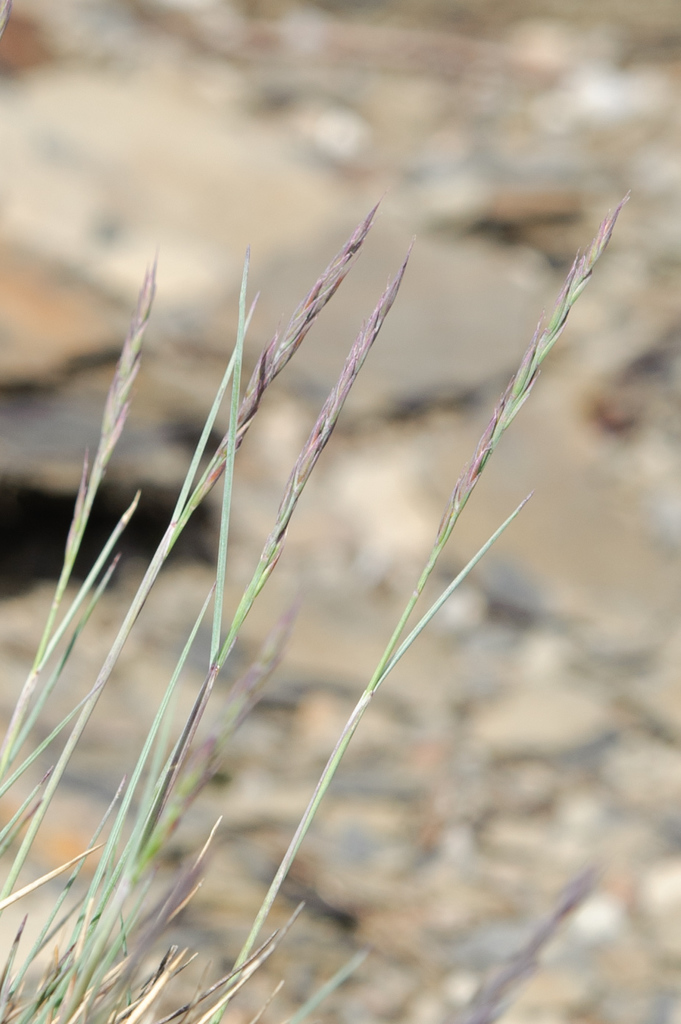
Sheep's fescue is a charming, clump forming grass that adds a soft texture to any landscape. It's incredibly hardy and thrives in poor, dry soils where other plants might struggle. You'll love how its fine, blue green blades create a neat, tufted appearance.
At a glance
- Care level
- Easy
- Plant type
- Perennial grass
- Light
- Full sun to partial shade
- Indoor light
- Direct sun
- Water
- Every 7 to 14 days
- Mature size
- 12 to 18 inches
- Growth rate
- Medium
- Hardiness
- USDA 4 to 8
- Bloom time
- Late spring to early summer
Care
Keep this grass in a sunny spot with well draining soil to prevent root issues. Watch for browning tips, which often signal that the soil is staying too wet for too long. You'll find it's quite low maintenance once it gets established in your garden.
- Watering
- Water deeply but infrequently, allowing the soil to dry out between sessions.
- Feeding
- A light application of balanced fertilizer in early spring is plenty.
- Pruning
- Trim back the foliage in late winter or early spring to encourage fresh growth.
- Repotting
- Divide the clumps every few years to keep the plant vigorous and healthy.
- Soil
- Sandy or rocky, well draining soil
- Soil pH
- 5.5 to 7.5
- Temperature
- -35 to 30°C
- Humidity
- 30 to 70%
- Drought tolerance
- High
- Lifespan
- Perennial, typically 5 to 8 years.
- Deer and rabbits
- High
Signs it needs repotting
- Roots growing out of the drainage holes
- Water sitting on the surface
- Plant growth slows significantly
Safety
- People
- There are no known toxic properties for humans.
- Children
- The foliage is slightly sharp, so keep it away from areas where small children play.
- Contact allergens
- The leaf blades can be sharp and may cause minor skin irritation if handled roughly.
- Airborne allergens
- The pollen can trigger seasonal allergies in sensitive individuals.
- Edibility
- This grass is not intended for human consumption.
How to identify it
- Fine, needle like blue green foliage
- Dense, tufted clump growth habit
- Slender, arching flower stalks
- Small, inconspicuous spikelet flowers
- Height
- 0.15 to 0.3m
- Spread
- 0.2 to 0.3m
- Leaves
- blue-green, gray-green, evergreen
- Flowers
- green, straw, 0.5 to 1cm
Problems to watch for
- Crown rot · This occurs when the soil stays too wet for too long.
Check your sheep's fescue from a photo
Pocket Botanist looks at a photo of your plant and tells you what's wrong and what to try first.
Scan with your phone's camera to get the app
Or go to pocketbotanist.app/get on your phone
Growing it
- Propagation
- division, seed
- When to plant
- spring, early autumn
- Overwintering
- Leave the foliage standing through winter to protect the crown, then trim back in early spring.
- In containers
- It grows well in containers at least 20 cm wide, provided the pot has excellent drainage.
Division
- 1. Dig up the clump in early spring.
- 2. Use a sharp spade to divide it into smaller sections.
- 3. Replant immediately and water well.
Pair this grass with other drought tolerant plants to create a low water landscape.
Grows well with
Similar species
- Blue Fescue · It has a similar mounding habit but with more intense blue foliage.
Science
- Family
- Poaceae
- Genus
- Festuca
- Order
- Poales
- Class
- Liliopsida
- Native range
- Europe and parts of Asia.
- Conservation
- It is common and secure throughout its native range.
It thrives in nutrient poor, well drained soils by forming dense clumps that outcompete weeds.
- Value to wildlife
- larval host plant, nesting material
- Pollinators
- bees, butterflies
- Uses
- ornamental grass, erosion control, low maintenance lawn, rock garden plant
Through the year
Ecological indicators
- Salinity
- 2/9
- Soil reaction
- 5/9
- Light
- 7/9
- Temperature
- 4/9
- Moisture
- 3/9
- Nutrients
- 2/9
Taxonomy resolved against GBIF.
Questions people ask
- Does it need mowing?
- No, it is a slow grower and usually looks best left alone.
- Can I grow it in shade?
- It prefers full sun but will tolerate light shade.
Where the name comes from
The genus name Festuca is Latin for a grass stalk, while the species name ovina refers to its historical use as sheep pasture.
Good to know
- It was historically used as high quality forage for sheep.
- The plant forms neat, dense mounds that look great all year.
- It is very drought tolerant once established.
Also in
Keep your sheep's fescue growing
This page is a general guide. Save your plant in Pocket Botanist and you get care reminders timed for this plant, plus a care history that shows what worked.
Scan with your phone's camera to get the app
Or go to pocketbotanist.app/get on your phone
This guide was generated with AI on and checked against GBIF taxonomy. It is general information, not horticultural or veterinary advice. Read about how we build these guides.