 Pocket Botanist

Check these first
- Inspect the underside of yellow leaves for fuzzy growth.
- Stick your finger 3 inches into the soil to check for dampness.
- Clear away debris from around the base of the plant.
Likely causes
Downy mildew
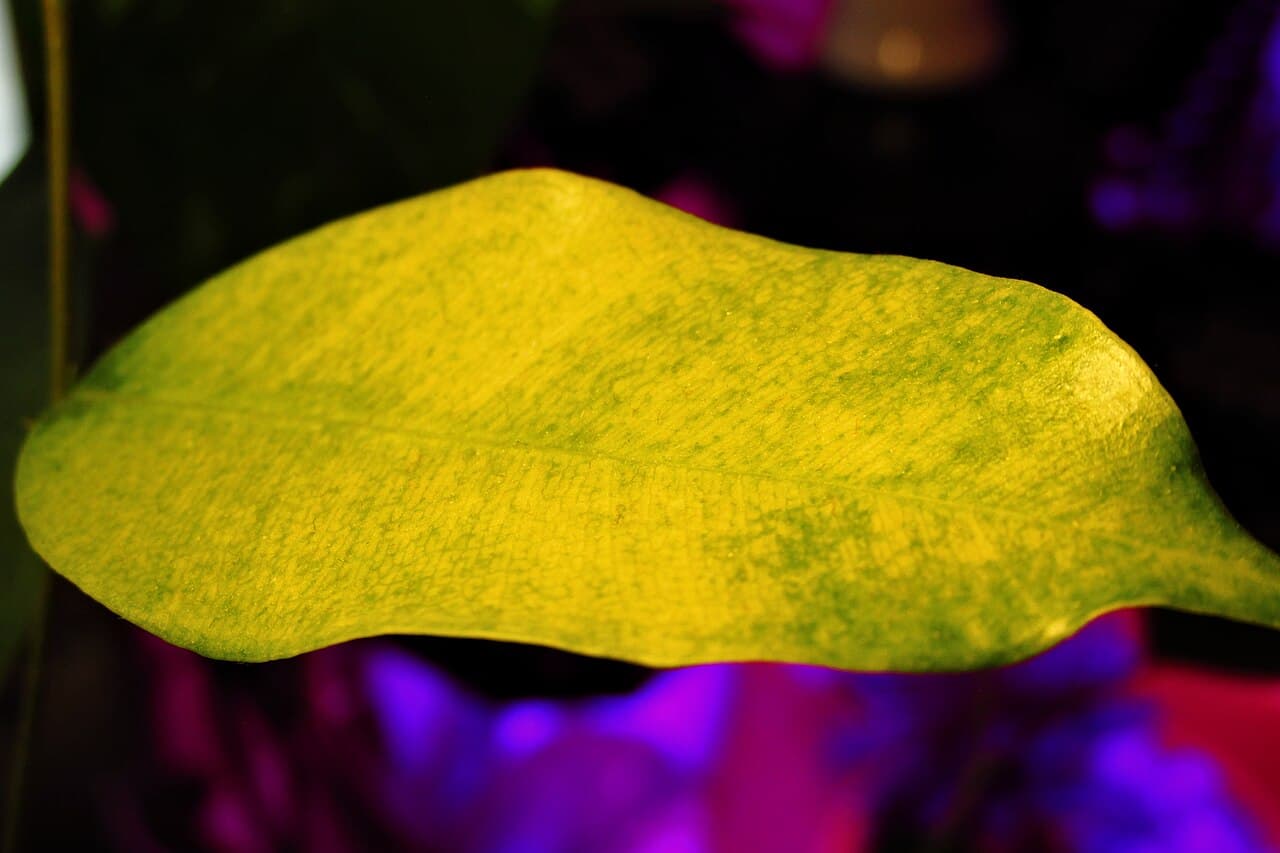
Most likelyHow to tell: You will see yellow patches on the leaves, often accompanied by a fuzzy growth on the underside during humid weather.
What to do: Remove the affected leaves immediately to stop the spread. Improve air circulation around the plant by thinning out nearby vegetation and avoid overhead watering.
Overwatering
PossibleHow to tell: The leaves turn yellow and feel soft or mushy to the touch. The soil stays wet for more than 14 days.
What to do: Let the top 3 inches of soil dry out completely before watering again. Ensure your planting site has excellent drainage and is not sitting in a low spot.
Find out what's wrong with your western wallflower
The list above covers the usual causes. Pocket Botanist looks at a photo of your actual plant and tells you the likely cause, how serious it is, and what to try first. Identification and a health check are free.



Scan with your phone's camera to get the app
Or go to pocketbotanist.app/get on your phone
When to worry
Worry if the yellowing spreads rapidly across the whole plant. It is normal for the very oldest bottom leaves to yellow and drop as the plant matures.
Stopping it coming back
Plant in full sun with plenty of space between plants to ensure good airflow.
Western wallflower: yellow leaves? Check yours with a photo
Every plant is a little different. Take a photo of your western wallflower and Pocket Botanist tells you which cause is most likely, how serious it is, and what to try first. A few checks a day are free. Save the plant and you get care reminders timed for it.
Scan with your phone's camera to get the app
Or go to pocketbotanist.app/get on your phone
Get the app · Or check it from a photo now, free
Questions people ask
- Can I save a leaf that has yellow patches?
- No, once a leaf is infected with downy mildew, it will not turn green again. It is best to prune it off to protect the rest of the plant.
- Does yellowing mean I need fertilizer?
- Usually not. Yellowing is rarely a sign of nutrient deficiency in this species, so check for moisture or disease first.
Guides to these causes
More problems with Western wallflower
- Why are there bugs on my Western wallflower?
- Why does my Western wallflower have spots on its leaves?
- Why is my Western wallflower looking leggy?
- Why is my Western wallflower not blooming?
- Why are my Western wallflower's leaf tips turning brown?
- Why is my Western wallflower drooping?
- Why is my Western wallflower losing its leaves?
- How to tell if my Western wallflower has root rot?
- Why are my Western wallflower leaves curling?
Back to the Western wallflower guide
This article was generated with AI on from the plant’s care profile and is general information, not horticultural advice. Read about how we build these guides.