 Pocket Botanist
Plant guide
Cape marguerite.
Dimorphotheca ecklonis
Pronounced os-tee-oh-SPER-mum EK-lon-iss
Also known as Vanstaden's river daisy



Scan with your phone's camera to get the app
Or go to pocketbotanist.app/get on your phone
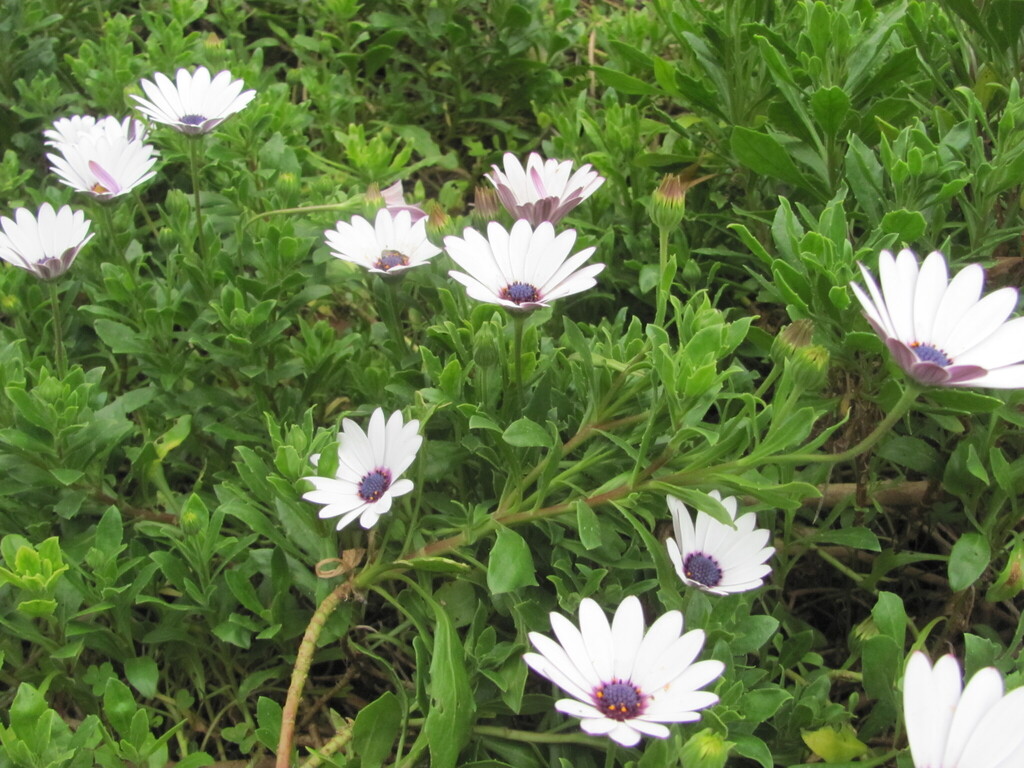
The Cape marguerite is a cheerful, daisy like perennial that brings a splash of color to sunny gardens. It thrives in warm climates and produces an abundance of blooms throughout the growing season. You will love how it attracts pollinators to your outdoor space.
At a glance
- Care level
- Easy
- Plant type
- Perennial
- Light
- Full sun
- Indoor light
- Direct sun
- Water
- Every 3 to 7 days
- Mature size
- 2 to 3 feet
- Growth rate
- Fast
- Hardiness
- USDA 9 to 11
- Bloom time
- Late spring to early autumn
Care
Plant in well draining soil and provide plenty of sunlight to encourage consistent flowering. Deadhead spent blooms to keep the plant tidy and promote new growth. Watch for wilting, which often signals that the plant needs a deep soak.
- Watering
- Water when the top inch of soil feels dry to the touch.
- Feeding
- Apply a balanced liquid fertilizer during the active growing season.
- Pruning
- Regularly remove faded flowers to encourage continuous blooming.
- Repotting
- Repot when the roots become crowded or the plant outgrows its container.
- Soil
- Well draining sandy or loamy soil
- Soil pH
- 6.0 to 7.5
- Temperature
- -4 to 35°C
- Humidity
- 20 to 50%
- Drought tolerance
- High
- Lifespan
- Short lived perennial, often grown as an annual.
- Deer and rabbits
- Moderate
Signs it needs repotting
- Roots growing out of the drainage holes.
- Water sitting on the surface for too long.
- Plant growth has slowed significantly.
Safety
- People
- The plant is generally considered non-toxic, though ingestion of large quantities is not recommended.
- Pets
- This plant is generally considered non toxic to cats and dogs.
- Children
- Keep away from small children to prevent accidental ingestion of plant parts.
- Contact allergens
- The sap may cause mild skin irritation in sensitive individuals.
- Airborne allergens
- The pollen can trigger hay fever symptoms in susceptible people during the flowering season.
- Edibility
- This plant is not considered edible and may cause stomach upset if ingested.
How to identify it
- Daisy like flowers with prominent centers
- Serrated or lobed green leaves
- Bushy and spreading growth habit
- Petals often show contrasting undersides
- Height
- 0.3 to 0.6m
- Spread
- 0.45 to 0.9m
- Leaves
- green, evergreen
- Flowers
- white, purple, blue, 5 to 8cm
Problems to watch for
- Powdery mildew · A fungal infection that appears as white dusty spots on the leaves.
- Aphids · Small insects that suck sap from new growth and flower buds.
Check your cape marguerite from a photo
Pocket Botanist looks at a photo of your plant and tells you what's wrong and what to try first.
Scan with your phone's camera to get the app
Or go to pocketbotanist.app/get on your phone
Growing it
- Propagation
- cuttings, seed
- When to plant
- spring
- Overwintering
- In colder regions, bring containers indoors to a bright, cool spot. If planted in the ground, provide a thick layer of mulch to protect the roots from freezing temperatures.
- In containers
- It grows very well in containers, provided you use a fast draining potting mix and a pot at least 30 centimeters wide.
Stem Cuttings
- 1. Take a 10 centimeter cutting from non flowering growth.
- 2. Remove the lower leaves.
- 3. Dip the end in rooting hormone.
- 4. Plant in a moist, sandy medium.
- 5. Keep in bright, indirect light until rooted.
Pair this daisy with other drought tolerant plants to maintain a consistent watering schedule across the bed.
Grows well with
Similar species
- Osteospermum · Often confused with this species, it shares a very similar appearance and growth habit.
Science
- Family
- Asteraceae
- Genus
- Dimorphotheca
- Order
- Asterales
- Class
- Magnoliopsida
- Native range
- South Africa
- Conservation
- This species is not currently listed as endangered or threatened in its native range.
It is adapted to dry, sunny environments and relies on pollinators to ensure seed set in its native habitat.
- Value to wildlife
- nectar source
- Pollinators
- bees, butterflies
- Uses
- container gardening, rock gardens, borders, ground cover
Through the year
Ecological indicators
- Salinity
- 2/9
- Soil reaction
- 6/9
- Light
- 8/9
- Temperature
- 7/9
- Moisture
- 3/9
- Nutrients
- 3/9
Taxonomy resolved against GBIF.
Questions people ask
- Why are my flowers closed?
- The plant closes its blooms when it is cloudy or dark, as they only open in bright sunlight.
- Can I grow this in a pot?
- Yes, it makes an excellent container plant as long as the pot has good drainage.
Where the name comes from
The genus name Dimorphotheca refers to the two forms of fruit produced by the plant, while ecklonis honors the botanist Christian Friedrich Ecklon.
Good to know
- It is commonly known as the Cape Daisy.
- The flowers close up during cloudy weather or at night.
- It thrives in poor, sandy soils where other plants might struggle.
Also in
Keep your cape marguerite growing
This page is a general guide. Save your plant in Pocket Botanist and you get care reminders timed for this plant, plus a care history that shows what worked.
Scan with your phone's camera to get the app
Or go to pocketbotanist.app/get on your phone
This guide was generated with AI on and checked against GBIF taxonomy. It is general information, not horticultural or veterinary advice. Read about how we build these guides.