 Pocket Botanist
Plant guide
Bermuda grass.
Cynodon dactylon
Pronounced SY-no-don DAK-tih-lon
Also known as Bahama Grass, Bermuda Quick Grass, Bermuda grass, Bermuda-Grass, Bermudagrass, Bermunda Quick Grass, Coarse Kweek, Common Couch Grass


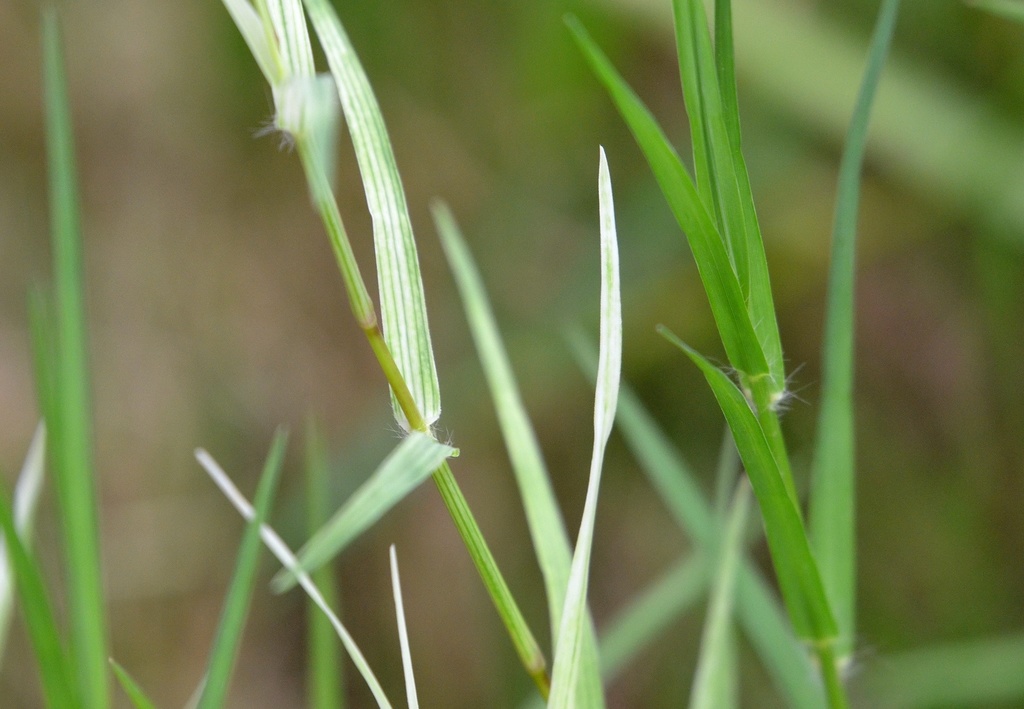
Bermuda grass is a tough, heat loving perennial that spreads quickly through underground runners. It is a favorite for lawns and sports fields because it handles heavy foot traffic with ease. You will find it thrives best in warm climates where it can soak up plenty of sun.
At a glance
- Care level
- Easy
- Plant type
- Perennial grass
- Light
- Full sun
- Indoor light
- Direct sun
- Water
- Every 3 to 7 days
- Mature size
- 6 to 12 inches
- Growth rate
- Fast
- Hardiness
- USDA 6 to 11
- Bloom time
- Late spring to early autumn
Care
Keep the grass mowed short to encourage a dense, carpet like growth habit. Watch for thinning patches which often signal a need for more nitrogen or better sunlight exposure. It is very drought tolerant once established but looks its best with regular moisture.
- Watering
- Water deeply once or twice a week to encourage deep root growth.
- Feeding
- Apply a balanced nitrogen rich fertilizer during the active growing season.
- Pruning
- Mow frequently to maintain a height of 1 to 2 inches.
- Repotting
- This plant is typically grown as a lawn grass and is not suited for containers.
- Soil
- Well draining sandy or loamy soil
- Soil pH
- 6.0 to 7.5
- Temperature
- -10 to 45°C
- Humidity
- 30 to 80%
Safety
- People
- It is generally considered non-toxic to humans.
- Pets
- This grass is generally safe for cats and dogs, though some pets may experience mild stomach upset if they eat large amounts.
- Children
- There are no specific safety concerns for children, though the blades can be sharp enough to cause minor paper-like cuts.
- Contact allergens
- The stiff blades can cause minor skin irritation or contact dermatitis in sensitive individuals.
- Airborne allergens
- The pollen is a significant airborne allergen during the summer months.
- Edibility
- This grass is not intended for human consumption.
How to identify it
- Gray green blade color
- Spreading via underground rhizomes
- Fine textured leaf blades
- Finger like seed head clusters
- Height
- 0.05 to 0.3m
- Spread
- 1 to 5m
- Leaves
- green, blue-green, deciduous
- Flowers
- purple, green, 0.2 to 0.5cm
Common problems
- Dollar spot — Small, circular patches of bleached grass caused by fungal infection.
- Bermudagrass mite — Microscopic pests that cause stunted growth and yellowing of the grass blades.
Growing it
- Propagation
- division, seed, stolons
- When to plant
- spring, early summer
Keep this grass away from garden beds as its rhizomes will easily invade and choke out other plants.
Grows well with
- White Clover — It fixes nitrogen in the soil which helps the grass grow.
Keep away from
- Kentucky Bluegrass — The two species will aggressively compete for space and resources.
Similar species
- St. Augustine Grass — Another common warm-season turf grass with broader blades.
Science
- Family
- Poaceae
- Genus
- Cynodon
- Order
- Poales
- Class
- Liliopsida
- Native range
- Africa, Asia, and Southern Europe.
- Conservation
- It is considered an invasive species in many regions outside its native range.
It thrives in disturbed soils and open sunny areas where it can outcompete other plants for light and resources.
- Value to wildlife
- larval host plant, erosion control
- Pollinators
- bees, butterflies
- Uses
- turf grass, erosion control, pasture forage
Through the year
Ecological indicators
- Salinity
- 5/9
- Soil reaction
- 6/9
- Light
- 9/9
- Temperature
- 8/9
- Moisture
- 4/9
- Nutrients
- 5/9
Taxonomy resolved against GBIF.
Questions people ask
- How do I stop it from spreading?
- You must install deep root barriers or use regular edging to contain the rhizomes.
- Does it need a lot of fertilizer?
- It responds well to nitrogen-rich fertilizers during its active growing season.
Where the name comes from
The name Cynodon comes from the Greek words for dog and tooth, while dactylon refers to the finger-like arrangement of the flower spikes.
Good to know
- It is incredibly drought tolerant and can survive long periods without water.
- The plant spreads aggressively through both underground rhizomes and above-ground stolons.
- It is often called the devil's grass by gardeners because it is so difficult to remove from flower beds.
- It requires full sun to thrive and will quickly die back in shaded areas.
Is your bermuda grass looking unwell?
This page is a general guide. Pocket Botanist diagnoses problems from a photo of your actual plant, works out watering for your light and conditions, and reminds you when care is due.
This guide was generated with AI and checked against GBIF taxonomy. It is general information, not horticultural or veterinary advice. Read about how we build these guides.