 Pocket Botanist
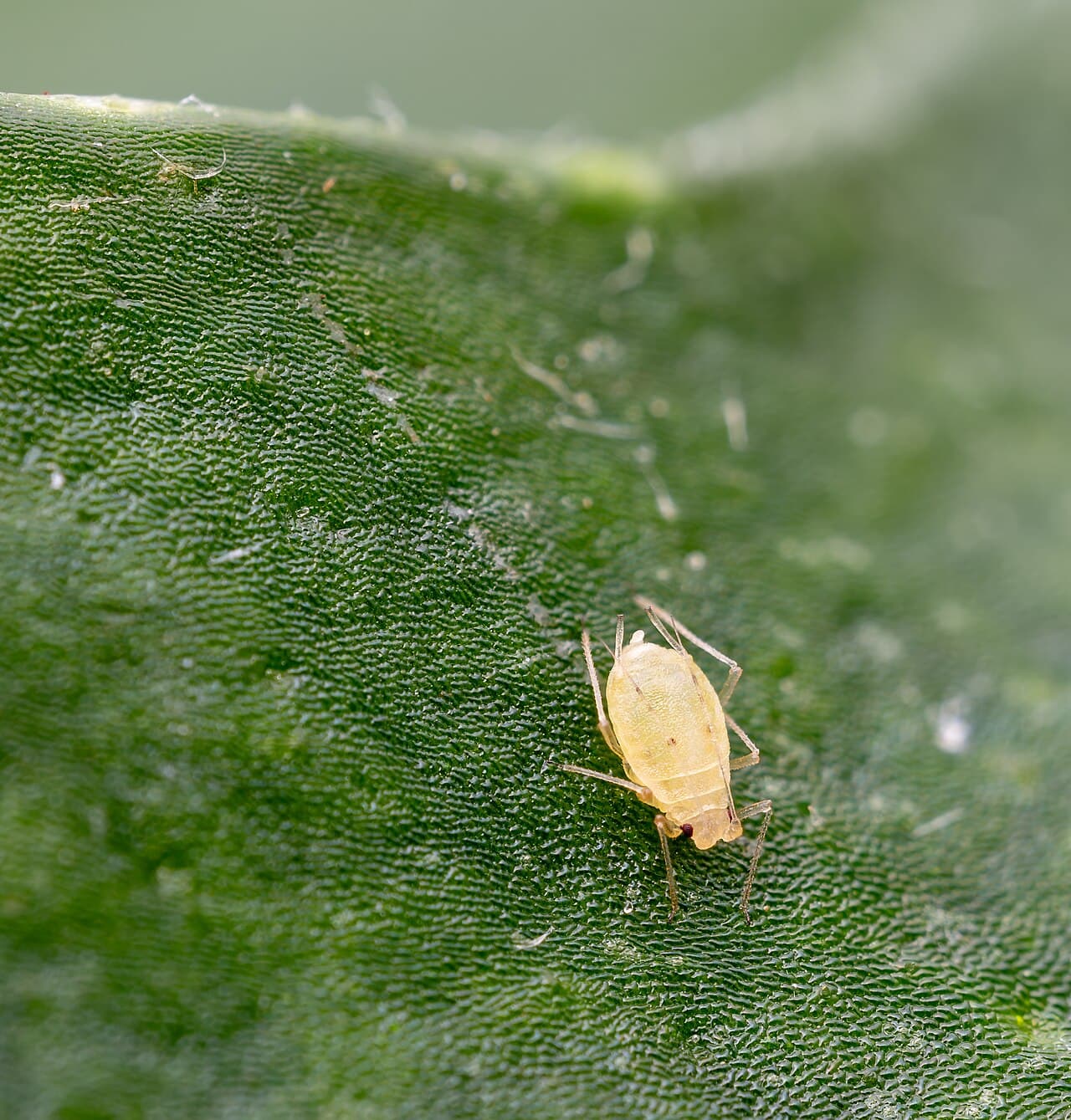

Check these first
- Look for slimy trails on the leaves.
- Check under the leaves during the evening.
- Inspect the soil around the base of the plant.
Likely causes
Slug and Snail Damage
Most likelyHow to tell: You see irregular holes in the leaves or slimy trails on the foliage.
What to do: Pick the pests off by hand in the evening when they are active. You can also place a shallow dish of beer near the plant to trap them.
Overcrowding
PossibleHow to tell: The plants are packed too tightly, creating a damp habitat that attracts pests.
What to do: Thin out the plants to improve airflow. This makes the area less inviting for slugs and snails.
Find out what's wrong with your opposite-leaved golden-saxifrage
The list above covers the usual causes. Pocket Botanist looks at a photo of your actual plant and tells you the likely cause, how serious it is, and what to try first. Identification and a health check are free.



Scan with your phone's camera to get the app
Or go to pocketbotanist.app/get on your phone
When to worry
If the damage is extensive and the plant is losing too much leaf area, it will struggle to grow. A few small holes are usually just a minor nuisance.
Stopping it coming back
Keep the area clear of debris where slugs hide and maintain good spacing between plants.
Opposite-leaved golden-saxifrage: pests? Check yours with a photo
Every plant is a little different. Take a photo of your opposite-leaved golden-saxifrage and Pocket Botanist tells you which cause is most likely, how serious it is, and what to try first. A few checks a day are free. Save the plant and you get care reminders timed for it.
Scan with your phone's camera to get the app
Or go to pocketbotanist.app/get on your phone
Get the app · Or check it from a photo now, free
Questions people ask
- Are these pests harmful?
- They can be if they eat too much of the foliage. They mostly target the succulent leaves.
- Should I use chemicals?
- It is better to use manual removal or traps first. Chemicals can be harsh on this delicate plant.
Guides to these causes
More problems with Opposite-leaved golden-saxifrage
- Why is my Opposite-leaved golden-saxifrage drooping?
- Why is my Opposite-leaved golden-saxifrage turning mushy?
- Why are my golden saxifrage leaves turning yellow?
- Why are my golden saxifrage leaf tips turning brown?
- Why are there spots on my golden saxifrage leaves?
- Why is my golden saxifrage not flowering?
- Why is my golden saxifrage looking leggy?
Back to the Opposite-leaved golden-saxifrage guide
This article was generated with AI on from the plant’s care profile and is general information, not horticultural advice. Read about how we build these guides.