 Pocket Botanist
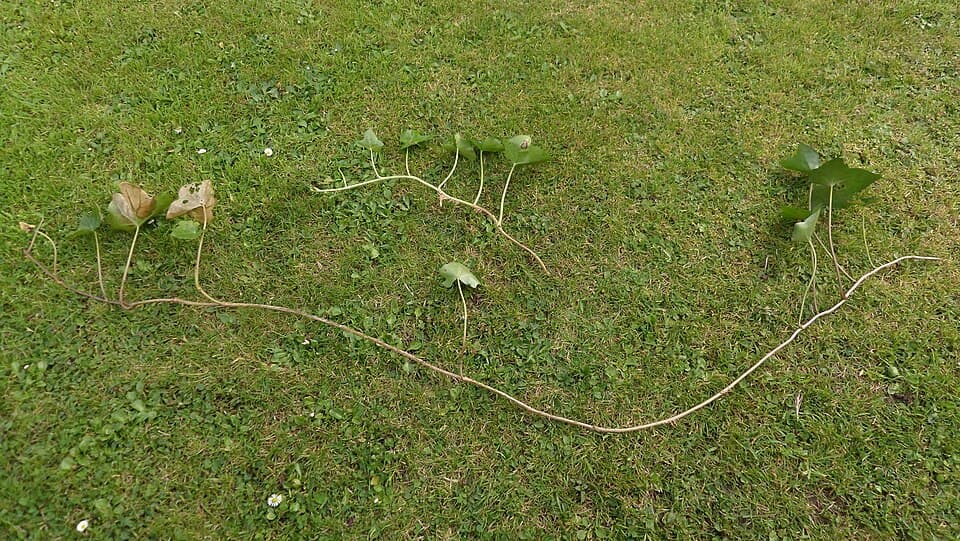

Check these first
- Assess if the plant is in a location that is too dark.
- Check the soil moisture to ensure it is not drying out between waterings.
- Trim back the longest stems to encourage bushier growth.
Likely causes
Deep shade
Most likelyHow to tell: The stems are elongated and thin, with large gaps between the leaves.
What to do: Gradually move the plant to a brighter location with more dappled light. Avoid harsh direct sun, which will burn the delicate leaves.
Inconsistent moisture
PossibleHow to tell: The stems look weak and the plant appears to be losing its compact, mat forming habit.
What to do: Water every 2 to 4 days to ensure the soil never dries out. Consistent moisture helps the plant maintain its dense, low growth.
Find out what's wrong with your opposite-leaved golden-saxifrage
The list above covers the usual causes. Pocket Botanist looks at a photo of your actual plant and tells you the likely cause, how serious it is, and what to try first. Identification and a health check are free.



Scan with your phone's camera to get the app
Or go to pocketbotanist.app/get on your phone
When to worry
Legginess is a sign of stress but is rarely fatal. It is normal for the plant to look a bit sparse after a long, dark winter.
Stopping it coming back
Maintain a regular watering schedule and ensure the plant gets enough indirect light to prevent it from reaching for the sun.
Opposite-leaved golden-saxifrage: leggy growth? Check yours with a photo
Every plant is a little different. Take a photo of your opposite-leaved golden-saxifrage and Pocket Botanist tells you which cause is most likely, how serious it is, and what to try first. A few checks a day are free. Save the plant and you get care reminders timed for it.
Scan with your phone's camera to get the app
Or go to pocketbotanist.app/get on your phone
Get the app · Or check it from a photo now, free
Questions people ask
- Can I prune leggy stems?
- Yes, you can trim back leggy stems to encourage the plant to fill out. Use clean scissors and cut just above a leaf node.
- Will it grow back into a mat?
- Yes, once you provide better light and consistent moisture, the plant will naturally spread and thicken into its characteristic mat.
More problems with Opposite-leaved golden-saxifrage
- Why is my Opposite-leaved golden-saxifrage drooping?
- Why does my Opposite-leaved golden-saxifrage have holes?
- Why is my Opposite-leaved golden-saxifrage turning mushy?
- Why are my golden saxifrage leaves turning yellow?
- Why are my golden saxifrage leaf tips turning brown?
- Why are there spots on my golden saxifrage leaves?
- Why is my golden saxifrage not flowering?
Back to the Opposite-leaved golden-saxifrage guide
This article was generated with AI on from the plant’s care profile and is general information, not horticultural advice. Read about how we build these guides.