 Pocket Botanist
Plant guide
Eastern Redbud.
Cercis canadensis
Pronounced SUR-sis kan-uh-DEN-sis
Also known as Canada redbud, Eastern Redbud, Judas Tree, Judastree, Redbud


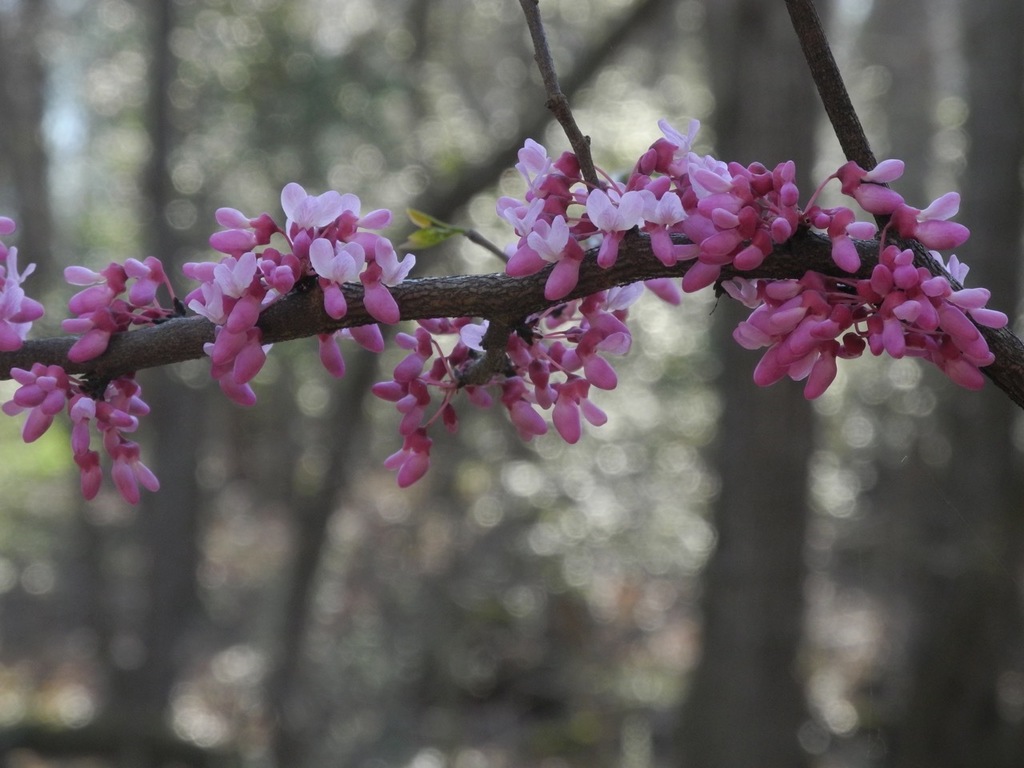
The Eastern Redbud is a charming understory tree that puts on a spectacular show in early spring. It features heart shaped leaves and vibrant pink to purple flowers that bloom directly on the branches. This native tree is a favorite for adding seasonal color to woodland gardens.

At a glance
- Care level
- Easy
- Plant type
- Deciduous tree
- Light
- Full sun to partial shade
- Indoor light
- Bright indirect
- Water
- Every 7 to 14 days
- Mature size
- 9 to 12 meters
- Growth rate
- Medium
- Hardiness
- USDA 4 to 9
- Bloom time
- Early to mid spring
Care
Plant in a spot with well draining soil and protection from harsh afternoon sun. Keep an eye out for leaf spots or cankers during humid weather. Prune only after flowering to maintain a nice shape.
- Watering
- Water deeply during dry spells to keep the soil consistently moist but not waterlogged.
- Feeding
- Apply a balanced slow release fertilizer in early spring before new growth appears.
- Pruning
- Prune immediately after the flowers fade to remove dead wood and improve structure.
- Repotting
- Repot only if necessary when the tree is young, as they prefer to stay in the ground.
- Soil
- Loamy, moist, well draining
- Soil pH
- 6.0 to 8.0
- Temperature
- -30 to 35°C
- Humidity
- 40 to 70%
- Drought tolerance
- Moderate
- Lifespan
- Perennial, typically 50 to 70 years.
- Deer and rabbits
- Moderate
Signs it needs repotting
- Roots circling the bottom of the pot.
- Water running straight through the soil without soaking in.
Safety
- People
- The plant is not considered toxic to humans, though it is not typically consumed as a primary food source.
- Pets
- This plant is not known to be toxic to cats or dogs.
- Children
- The flat, dry seed pods can be a choking hazard if ingested by small children.
- Contact allergens
- There are no significant skin irritants associated with this tree.
- Airborne allergens
- The pollen may cause mild seasonal allergies in sensitive individuals.
- Edibility
- While the flowers are edible, the seeds and pods are not considered food and should be avoided.
How to identify it
- Heart shaped leaves
- Pink flowers on bare branches
- Zigzagging branch pattern
- Small reddish brown seed pods
- Height
- 4.5 to 9m
- Spread
- 4.5 to 10m
- Leaves
- green, yellow, deciduous
- Flowers
- pink, magenta, white, 1 to 1.5cm
- Fruit
- brown, Late summer to autumn
Problems to watch for
- Cercis CankerCommon
- Leaf SpotCommon
- ChlorosisUncommon
- Leaf ScorchUncommon
- Scale InsectsUncommon
- Verticillium WiltUncommon
By symptom
Check your eastern redbud from a photo
Pocket Botanist looks at a photo of your plant and tells you what's wrong and what to try first.
Growing it
- Propagation
- seed, cuttings
- When to plant
- spring, autumn
- Overwintering
- No special winter protection is needed once established. A layer of mulch around the base helps maintain soil moisture and protects roots from extreme temperature fluctuations.
- In containers
- It is generally too large for long term container growth, though dwarf cultivars can thrive in large pots for several years.
Seed
- Scarify the hard seed coat with sandpaper.
- Soak seeds in warm water for 24 hours.
- Plant in moist soil and provide a period of cold stratification.
Plant understory perennials around the base to keep the root zone cool and moist.
Grows well with
- Serviceberry — They share similar woodland habitat requirements and bloom at the same time.
- Hosta — These shade lovers thrive under the canopy of the redbud.
Similar species
- Chinese Redbud — It is a smaller, shrubby relative with more intense flower clusters.
Science
- Family
- Fabaceae
- Genus
- Cercis
- Order
- Fabales
- Class
- Magnoliopsida
- Native range
- Eastern and central North America.
- Conservation
- This species is widespread and not of conservation concern.
It thrives as an understory tree in open woodlands and along forest edges where it benefits from dappled light.
- Value to wildlife
- nectar source, early season forage
- Pollinators
- bees, butterflies
- Uses
- ornamental specimen, woodland garden, pollinator habitat
Through the year
Ecological indicators
- Soil reaction
- 6/9
- Light
- 6/9
- Moisture
- 5/9
- Nutrients
- 5/9
- Salinity
- 2/9
- Temperature
- 6/9
Taxonomy resolved against GBIF.
Questions people ask
- Does it need full sun?
- It prefers full sun but appreciates some light afternoon shade in hotter climates.
- How fast does it grow?
- It is considered a moderate grower, typically adding 30 to 60 centimeters per year.
Where the name comes from
The genus name Cercis comes from the Greek word for a weaver's shuttle, referring to the shape of the seed pods. The species name canadensis refers to its presence in Canada, though its range extends much further south.
Good to know
- The heart shaped leaves turn a beautiful golden yellow in the fall.
- Native Americans historically used the bark to treat various ailments.
- It is the state tree of Oklahoma.
Keep your eastern redbud growing
This page is a general guide. Save your plant in Pocket Botanist and you get care reminders timed for this plant, plus a care history that shows what worked.
This guide was generated with AI and checked against GBIF taxonomy. It is general information, not horticultural or veterinary advice. Read about how we build these guides.