 Pocket Botanist
Guía de plantas
Árbol de Judas.
Cercis canadensis
Pronunciación SUR-sis kan-uh-DEN-sis
También se conoce como Canada redbud, Árbol de Judas, Árbol de Judas, Árbol de Judas, Redbud


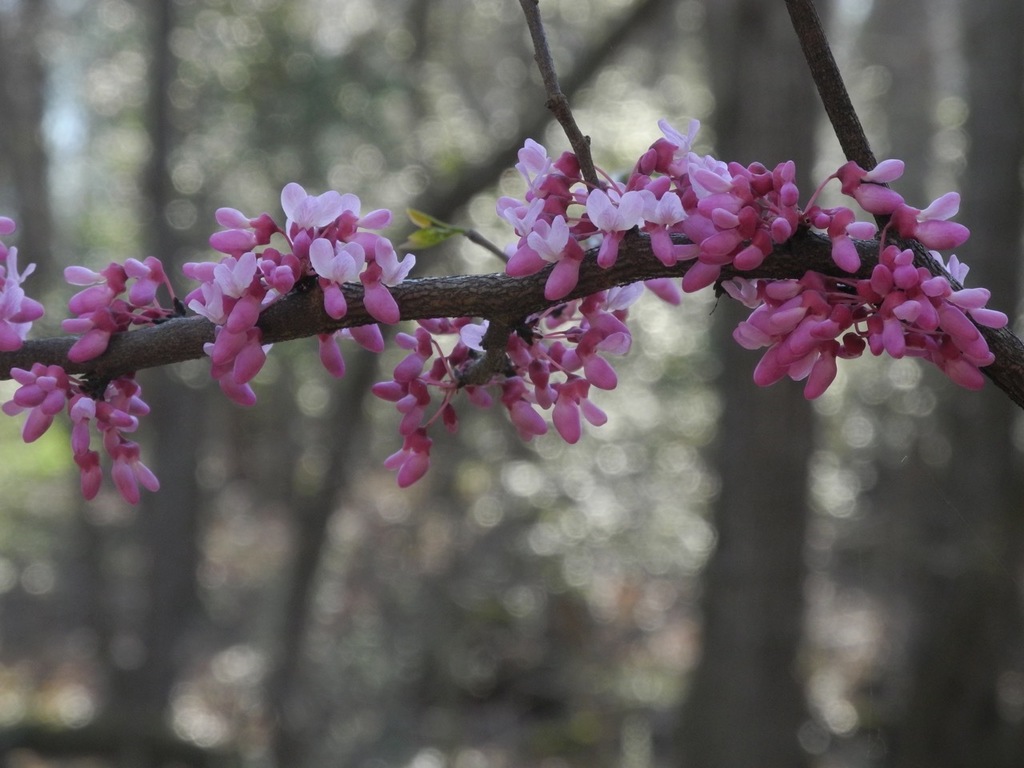
El árbol de Judas es un encantador árbol de sotobosque que ofrece un espectáculo espectacular a principios de primavera. Presenta hojas en forma de corazón y vibrantes flores de color rosa a púrpura que florecen directamente en las ramas. Este árbol nativo es un favorito para añadir color estacional a los jardines boscosos.

De un vistazo
- Nivel de cuidados
- Fácil
- Tipo de planta
- Árbol de hoja caduca
- Luz
- Sol pleno a sombra parcial
- Luz en interior
- Luz indirecta brillante
- Riego
- Cada 7 a 14 días
- Tamaño adulto
- 9 a 12 metros
- Ritmo de crecimiento
- Medio
- Rusticidad
- USDA 4 a 9
- Floración
- Principios a mediados de primavera
Cuidados
Plántalo en un lugar con suelo bien drenado y protegido del sol fuerte de la tarde. Vigila las manchas en las hojas o cancros durante el clima húmedo. Poda solo después de la floración para mantener una buena forma.
- Riego
- Riega profundamente durante las sequías para mantener la tierra consistentemente húmeda, pero no encharcada.
- Abonado
- Aplica un fertilizante equilibrado de liberación lenta a principios de primavera antes de que aparezca el nuevo crecimiento.
- Poda
- Poda inmediatamente después de que las flores se desvanezcan para eliminar la madera muerta y mejorar la estructura.
- Trasplante
- Trasplanta solo si es necesario cuando el árbol es joven, ya que prefieren permanecer en el suelo.
- Suelo
- Limoso, húmedo, bien drenado
- pH del suelo
- 6.0 a 8.0
- Temperatura
- -30 a 35°C
- Humedad
- 40 a 70%
- Tolerancia a la sequía
- Moderada
- Longevidad
- Perenne, típicamente de 50 a 70 años.
- Resistencia a ciervos y conejos
- Moderada
Señales de que necesita trasplante
- Raíces dando vueltas en el fondo de la maceta.
- El agua pasa directamente a través de la tierra sin empaparla.
Seguridad
- Personas
- La planta no se considera tóxica para los humanos, aunque no se consume típicamente como fuente principal de alimento.
- Mascotas
- No se sabe que esta planta sea tóxica para gatos o perros.
- Niños
- Las vainas de semillas planas y secas pueden suponer un peligro de asfixia si las ingieren niños pequeños.
- Alérgenos por contacto
- No hay irritantes cutáneos significativos asociados con este árbol.
- Alérgenos en el aire
- El polen puede causar alergias estacionales leves en personas sensibles.
- Comestibilidad
- Si bien las flores son comestibles, las semillas y las vainas no se consideran alimentos y deben evitarse.
Cómo identificarla
- Hojas en forma de corazón
- Flores rosadas en ramas desnudas
- Patrón de ramas en zigzag
- Pequeñas vainas de semillas de color marrón rojizo
- Altura
- 4,5 a 9m
- Anchura
- 4,5 a 10m
- Hojas
- verde, amarillo, caducifolio
- Flores
- rosa, magenta, blanco, 1 a 1,5cm
- Frutos
- marrón, Finales de verano a otoño
Problemas a vigilar
- Chancro del árbol del amorComún
- Manchas foliaresComún
- ClorosisPoco común
- CochinillasPoco común
- Quemadura foliarPoco común
- VerticilosisPoco común
- Cancro del algarrobo — Infección fúngica que causa lesiones hundidas en las ramas y puede provocar la muerte regresiva.
- Oídio — Manchas fúngicas que aparecen en el follaje durante períodos de alta humedad.
Por síntoma
Revisa tu árbol de judas con una foto
Pocket Botanist mira una foto de tu planta y te dice qué le pasa y qué probar primero.
Cómo cultivarla
- Propagación
- semilla, esquejes
- Cuándo plantar
- primavera, otoño
- Cuidados en invierno
- No se necesita protección especial de invierno una vez establecida. Una capa de mantillo alrededor de la base ayuda a mantener la humedad del suelo y protege las raíces de las fluctuaciones extremas de temperatura.
- En maceta
- Generalmente es demasiado grande para el crecimiento en contenedores a largo plazo, aunque los cultivares enanos pueden prosperar en macetas grandes durante varios años.
Semilla
- Escarifica la dura cubierta de la semilla con papel de lija.
- Remoja las semillas en agua tibia durante 24 horas.
- Planta en tierra húmeda y proporciona un período de estratificación en frío.
Planta perennes del sotobosque alrededor de la base para mantener la zona de raíces fresca y húmeda.
Buenas compañeras
- Amelanchier arborea — Comparten requisitos de luz y humedad similares en entornos boscosos.
- Lirio de plátano — These shade lovers thrive under the canopy of the redbud.
Especies parecidas
- Cercis chinensis — Tiene un hábito de crecimiento similar pero presenta racimos de flores más intensos.
Ciencia
- Familia
- Fabaceae
- Género
- Cercis
- Orden
- Fabales
- Clase
- Magnoliopsida
- Distribución natural
- América del Norte oriental y central.
- Conservación
- Esta especie está muy extendida y no es motivo de preocupación para la conservación.
Prospera como árbol del sotobosque en bosques abiertos y a lo largo de los bordes de los bosques, donde se beneficia de la luz moteada.
- Valor para la fauna
- fuente de néctar, forraje de principios de temporada
- Polinizadores
- abejas, mariposas
- Usos
- ejemplar ornamental, jardín de bosque, hábitat para polinizadores
A lo largo del año
Indicadores ecológicos
- Reacción del suelo
- 6/9
- Luz
- 6/9
- Humedad
- 5/9
- Nutrientes
- 5/9
- Salinidad
- 2/9
- Temperatura
- 6/9
Taxonomía cotejada con GBIF.
Lo que más preguntan
- ¿Necesita pleno sol?
- Prefiere pleno sol pero agradece algo de sombra ligera por la tarde en climas más cálidos.
- ¿Qué tan rápido crece?
- Se considera de crecimiento moderado, añadiendo típicamente de 30 a 60 centímetros por año.
De dónde viene el nombre
El nombre genérico Cercis proviene de la palabra griega para lanzadera de tejedor, refiriéndose a la forma de las vainas de las semillas. El nombre de la especie canadensis se refiere a su presencia en Canadá, aunque su área de distribución se extiende mucho más al sur.
Bueno saberlo
- Las hojas en forma de corazón se vuelven de un hermoso color amarillo dorado en otoño.
- Los nativos americanos usaban históricamente la corteza para tratar diversas dolidades.
- Es el árbol estatal de Oklahoma.
Que tu árbol de judas siga creciendo
Esta página es una guía general. Guarda tu planta en Pocket Botanist y tendrás recordatorios de cuidado pensados para esta planta, además de un historial de cuidados que muestra qué ha funcionado.
Esta guía se ha generado con IA y se ha cotejado con la taxonomía de GBIF. Es información general, no asesoramiento botánico ni veterinario. Descubre cómo elaboramos estas guías.