 Pocket Botanist
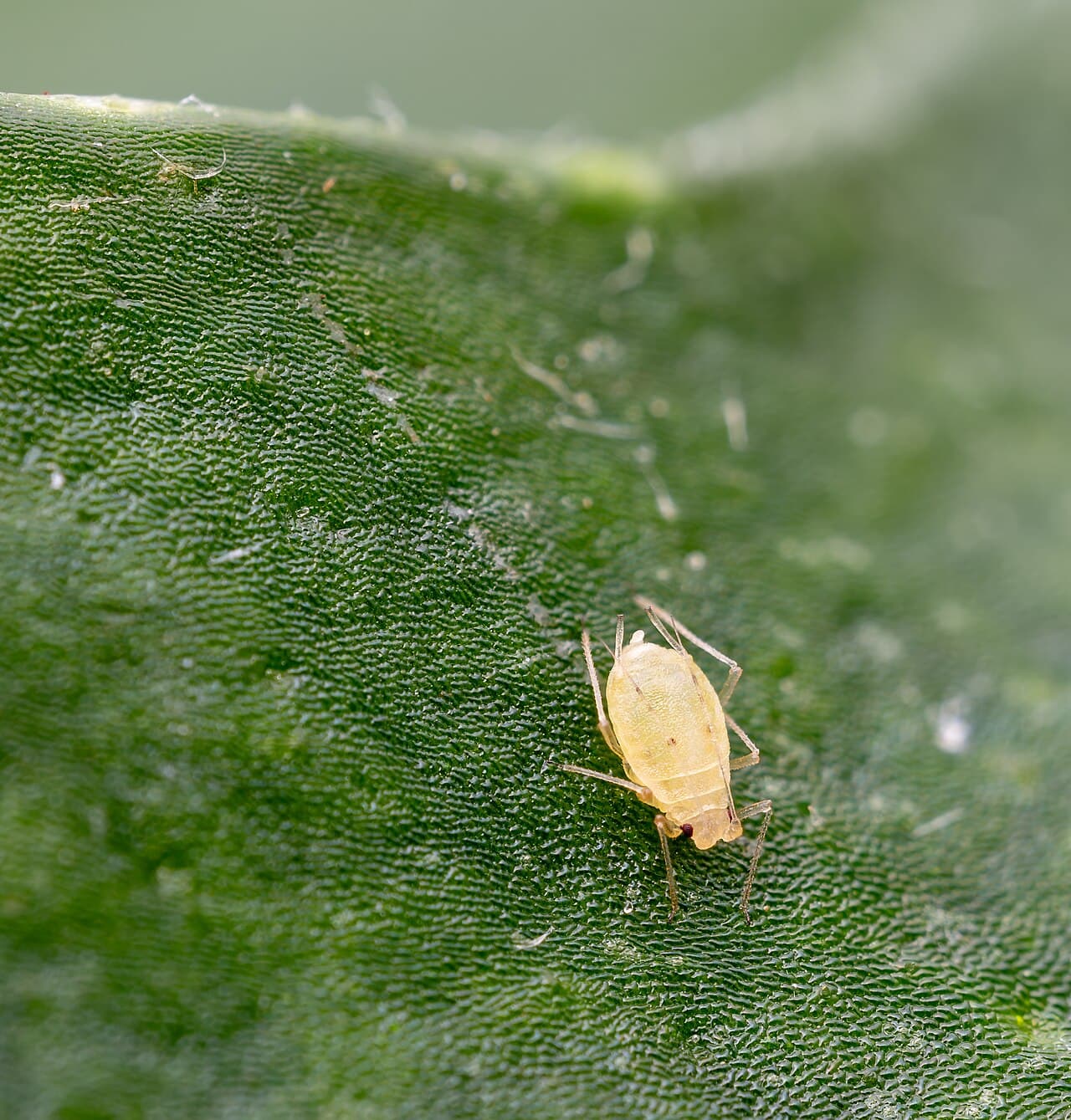

Check these first
- Look for dense clusters of twigs in the branches.
- Check the leaves for small bumps or galls.
- Inspect the bark for any signs of boring insects.
Likely causes
Witches broom
Most likelyHow to tell: You will see dense, tangled clusters of twigs growing on the branches. This is caused by a combination of eriophyid mites and powdery mildew.
What to do: Prune out the affected branches to improve the tree's appearance. While this does not cure the condition, it helps keep the tree looking tidy.
Psyllids
PossibleHow to tell: These tiny jumping insects cause the formation of galls on the leaves. They are most active during the spring when new leaves are emerging.
What to do: Most of the time, no action is needed. If you want to reduce their numbers, keep the tree healthy with proper watering and clear away fallen leaves in the fall.
Find out what's wrong with your common hackberry
The list above covers the usual causes. Pocket Botanist looks at a photo of your actual plant and tells you the likely cause, how serious it is, and what to try first. Identification and a health check are free.



Scan with your phone's camera to get the app
Or go to pocketbotanist.app/get on your phone
When to worry
Witches broom can weaken branches over time, so watch for heavy clusters that might break during storms. Most other pests are just a nuisance.
Stopping it coming back
Keep your tree healthy with regular deep watering. A vigorous tree is much better at tolerating pest damage without showing signs of decline.
Common hackberry: pests? Check yours with a photo
Every plant is a little different. Take a photo of your common hackberry and Pocket Botanist tells you which cause is most likely, how serious it is, and what to try first. A few checks a day are free. Save the plant and you get care reminders timed for it.
Scan with your phone's camera to get the app
Or go to pocketbotanist.app/get on your phone
Get the app · Or check it from a photo now, free
Questions people ask
- Will my tree die from witches broom?
- It is unlikely to kill the tree. It usually just affects the aesthetic appearance of the branches.
- Should I use systemic pesticides?
- Avoid systemic pesticides as they can harm beneficial insects. Focus on physical removal of damaged parts instead.
Guides to these causes
More problems with Common hackberry
- Why are my common hackberry leaves curling?
- Why are there spots on my common hackberry leaves?
- Why are my hackberry tree's leaves turning yellow?
- Why do my hackberry tree's leaves have brown tips?
- Why is my hackberry tree drooping?
- Why is my hackberry tree losing its leaves?
- How do I fix root rot on my hackberry?
Back to the Common hackberry guide
This article was generated with AI on from the plant’s care profile and is general information, not horticultural advice. Read about how we build these guides.