 Pocket Botanist

Check these first
- Open a few damaged pods to look for larvae.
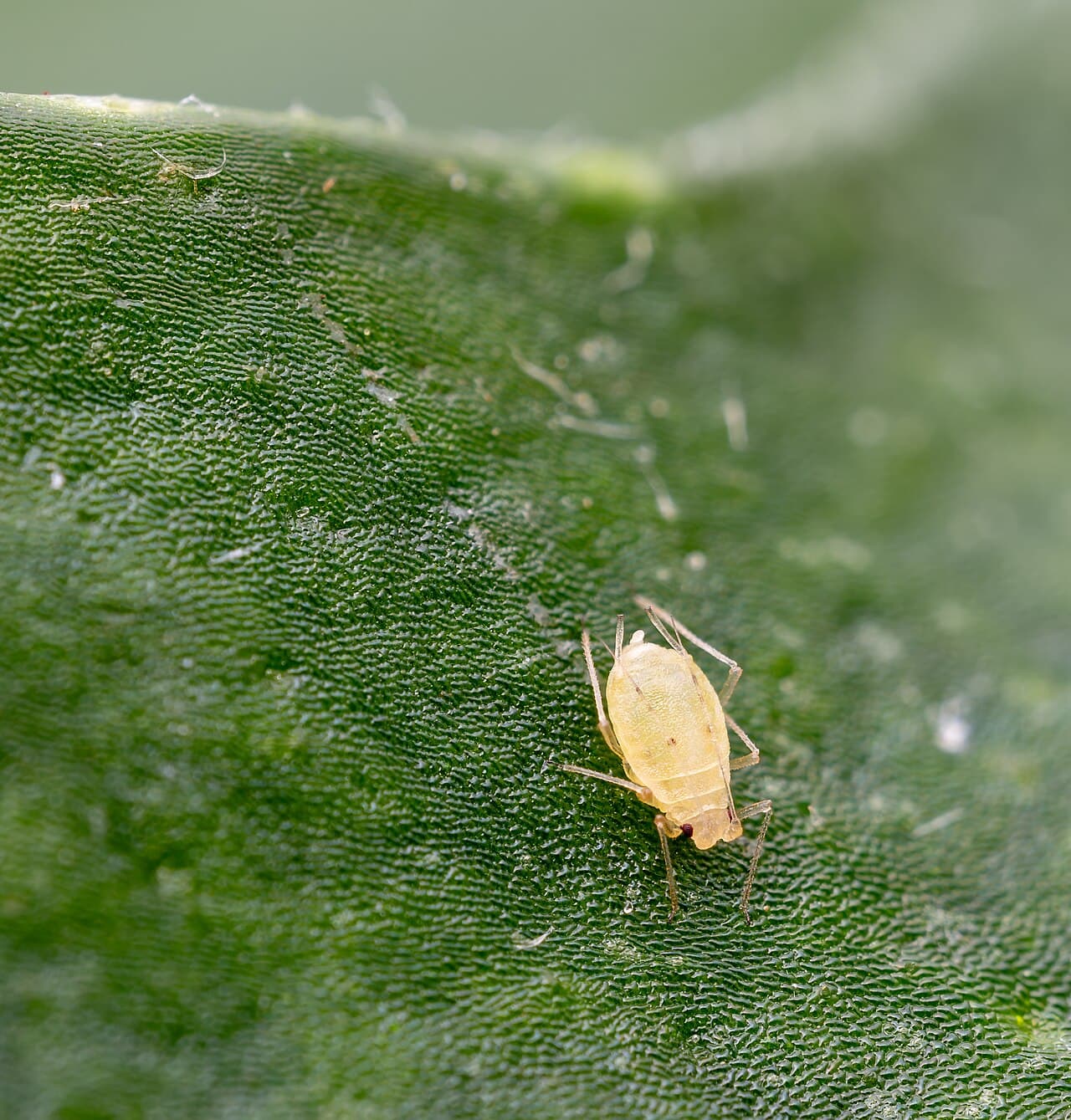
- Check the undersides of leaves for small insect clusters.
- Look for sticky residue on the leaves.
Likely causes
Pod borer larvae
Most likelyHow to tell: You will see small entry holes on the pods and find larvae inside when you open them. The seeds inside will be partially eaten or damaged.
What to do: Handpick the larvae if you see them early in the season. Use neem oil or a biological insecticide like Bacillus thuringiensis to manage populations.
Aphids
PossibleHow to tell: Small clusters of green or black insects gather on the undersides of leaves or on tender new growth. They cause leaves to curl and stunt growth.
What to do: Spray the plant with a strong stream of water to knock them off. If the infestation is heavy, apply insecticidal soap every 5 to 7 days.
Find out what's wrong with your pigeon pea
The list above covers the usual causes. Pocket Botanist looks at a photo of your actual plant and tells you the likely cause, how serious it is, and what to try first. Identification and a health check are free.



Scan with your phone's camera to get the app
Or go to pocketbotanist.app/get on your phone
When to worry
You should worry when you see holes in the pods, as this directly impacts your yield. A few aphids are usually manageable, but a full colony needs immediate attention.
Stopping it coming back
Monitor your plants weekly during the flowering stage and keep the area clear of weeds that might harbor pests.
Pigeon Pea: pests? Check yours with a photo
Every plant is a little different. Take a photo of your pigeon pea and Pocket Botanist tells you which cause is most likely, how serious it is, and what to try first. A few checks a day are free. Save the plant and you get care reminders timed for it.
Scan with your phone's camera to get the app
Or go to pocketbotanist.app/get on your phone
Get the app · Or check it from a photo now, free
Questions people ask
- Are the pods safe to eat if they have holes?
- It is best to discard pods with holes because the seeds are likely damaged or contaminated by the larvae. Only eat the healthy, intact pods.
- How often should I check for pests?
- Check your plants at least once a week, especially when the plant starts to flower and produce pods.
Guides to these causes
More problems with Pigeon Pea
- Why are my pigeon pea leaves turning yellow?
- Why is my pigeon pea plant drooping?
- Why is my pigeon pea suffering from root rot?
- Why are my pigeon pea's leaf tips turning brown?
- Why is my pigeon pea losing its leaves?
- Why does my Pigeon Pea have spots on its leaves?
- Why is my Pigeon Pea not producing any flowers?
- Why is my Pigeon Pea growing so tall and leggy?
This article was generated with AI on from the plant’s care profile and is general information, not horticultural advice. Read about how we build these guides.