 Pocket Botanist
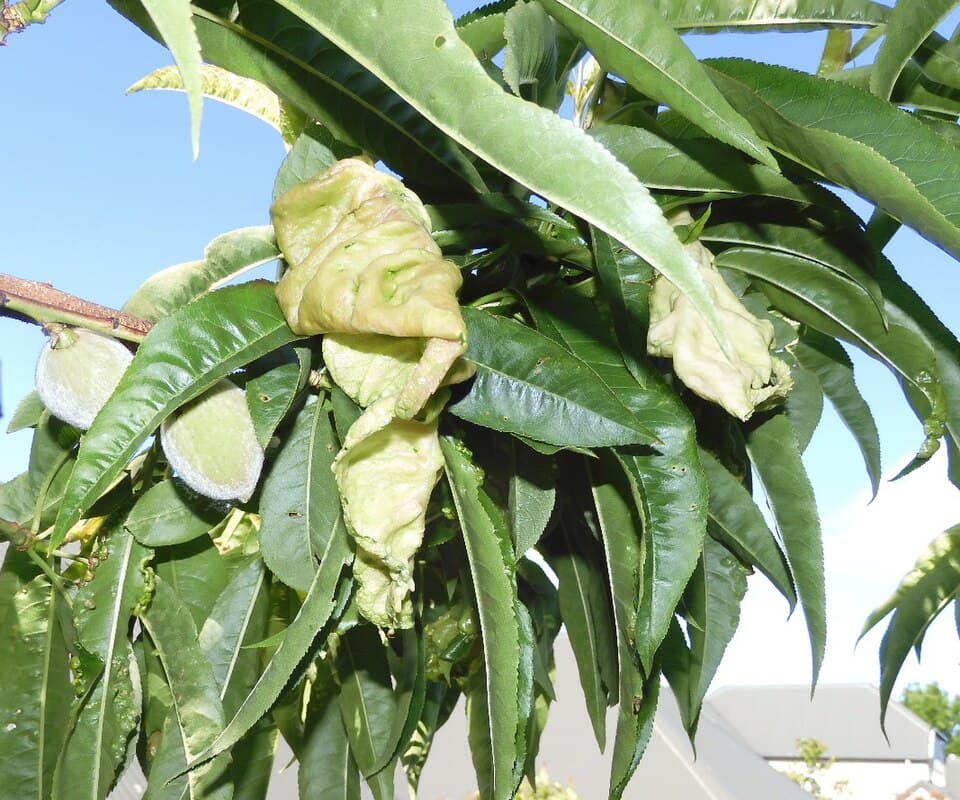

Check these first
- Look closely at the underside of the leaves for tiny beetles.
- Check if the soil is dry and the plant needs a deep watering.
- Observe if the curling happens only during the hottest part of the day.
Likely causes
Flea beetles
Most likelyHow to tell: You see tiny holes in the leaves and the edges begin to curl inward. Small, dark beetles may be visible on the foliage.
What to do: Spray the leaves with a gentle insecticidal soap or neem oil. Repeat the treatment every 7 days until the beetles are gone.
Heat stress
PossibleHow to tell: The leaves curl during the hottest part of the day but recover at night. The soil may feel very dry.
What to do: Provide a bit more shade during the afternoon hours. Ensure the plant is watered deeply to keep the root zone cool.
Find out what's wrong with your deadly nightshade
The list above covers the usual causes. Pocket Botanist looks at a photo of your actual plant and tells you the likely cause, how serious it is, and what to try first. Identification and a health check are free.



Scan with your phone's camera to get the app
Or go to pocketbotanist.app/get on your phone
When to worry
Curling is serious if the leaves remain distorted even after the plant is watered and cooled down. Minor curling on older leaves is normal as they age.
Stopping it coming back
Keep the plant healthy with regular water and inspect the leaves weekly for early signs of pests.
Deadly nightshade: curling leaves? Check yours with a photo
Every plant is a little different. Take a photo of your deadly nightshade and Pocket Botanist tells you which cause is most likely, how serious it is, and what to try first. A few checks a day are free. Save the plant and you get care reminders timed for it.
Scan with your phone's camera to get the app
Or go to pocketbotanist.app/get on your phone
Get the app · Or check it from a photo now, free
Questions people ask
- Are these beetles harmful?
- They chew holes in the leaves and stress the plant. It is best to treat them as soon as you see them.
- Should I cut off the curled leaves?
- Only remove them if they are brown or severely damaged. Otherwise, leave them to help the plant photosynthesize.
Guides to these causes
More problems with Deadly nightshade
- Why are there holes in my deadly nightshade leaves?
- Why is my deadly nightshade wilting?
- Why does my deadly nightshade have spots on its leaves?
- Why is my deadly nightshade growing so leggy?
- Why are my deadly nightshade leaves turning yellow?
- Why is my deadly nightshade dropping its leaves?
- Why is my Atropa belladonna not flowering?
- Why is my Atropa belladonna showing signs of root rot?
Back to the Deadly nightshade guide
This article was generated with AI on from the plant’s care profile and is general information, not horticultural advice. Read about how we build these guides.