 Pocket Botanist
Plant guide
Tall oatgrass.
Arrhenatherum elatius
Pronounced uh-ren-uh-THEE-rum ee-LAY-tee-us
Also known as Bulbous Oatgrass, False Oat Grass, False Oat-Grass, Onion Couch, Onion Twitch, Onion-root Twitch, Ray-grass-de-france, Tall Oat Grass



Scan with your phone's camera to get the app
Or go to pocketbotanist.app/get on your phone
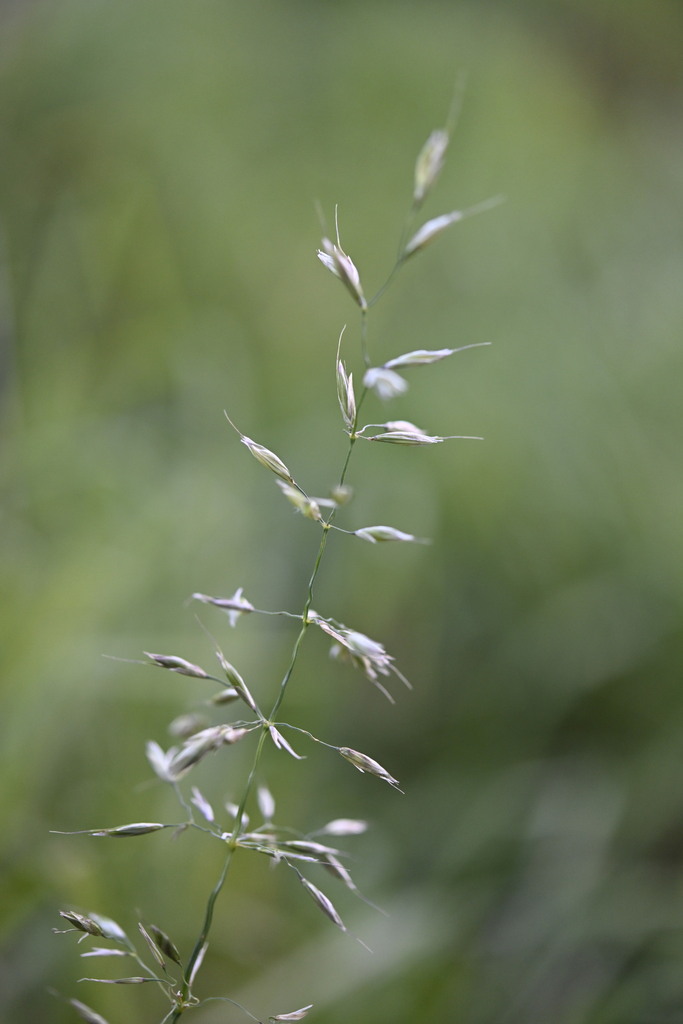
Tall oatgrass is a hardy, perennial bunchgrass that thrives in meadows and pastures. It is quite adaptable and often grows in clumps that can reach impressive heights. You will find it is a common sight in temperate regions across the globe.
At a glance
- Care level
- Easy
- Plant type
- Perennial grass
- Light
- Full sun
- Indoor light
- Direct sun
- Water
- Every 7 to 14 days
- Mature size
- 1.5 meters
- Growth rate
- Fast
- Hardiness
- USDA 4 to 9
- Bloom time
- Late spring to early summer
Care
This grass is very low maintenance and prefers open, sunny spots. Watch for excessive spread if you are planting it in a garden setting. Ensure the soil remains well drained to keep the roots happy.
- Watering
- Water deeply during dry spells to maintain steady growth.
- Feeding
- A light application of balanced fertilizer in early spring is plenty.
- Pruning
- Cut back the foliage to the ground in late winter to encourage fresh growth.
- Repotting
- Divide the clumps every few years to keep the plant vigorous.
- Soil
- Well drained loam
- Soil pH
- 6.0 to 7.5
- Temperature
- -34 to 35°C
- Humidity
- 40 to 70%
Safety
- People
- There are no significant reports of human toxicity.
- Children
- The sharp leaf edges can cause small cuts if handled roughly by children.
- Contact allergens
- The leaf blades have fine, sharp edges that can cause minor skin irritation.
- Airborne allergens
- The pollen is a common allergen for those sensitive to grass pollen during the flowering season.
- Edibility
- This grass is not intended for human consumption.
How to identify it
- Tall, tufted perennial grass
- Flat, rough textured leaves
- Loose, nodding panicle inflorescence
- Spikelets with bent awns
- Height
- 0.6 to 1.5m
- Spread
- 0.3 to 0.6m
- Leaves
- green, blue-green, deciduous
- Flowers
- green, yellow, purple, 15 to 30cm
Problems to watch for
- RustCommon
- DehydrationUncommon
- ErgotUncommon
- SmutUncommon
Check your tall oatgrass from a photo
Pocket Botanist looks at a photo of your plant and tells you what's wrong and what to try first.
Scan with your phone's camera to get the app
Or go to pocketbotanist.app/get on your phone
Growing it
- Propagation
- division, seed
- When to plant
- spring, autumn
Pair with sturdy perennials that can compete with its vigorous growth habit.
Grows well with
- Coneflower · They share similar sun and soil requirements.
- Black Eyed Susan · The contrasting textures look great in a meadow planting.
Similar species
- Oat Grass · They share a similar appearance in their flowering structures.
Science
- Family
- Poaceae
- Genus
- Arrhenatherum
- Order
- Poales
- Class
- Liliopsida
- Native range
- Europe and parts of Western Asia.
- Conservation
- This species is considered invasive in many parts of North America and should be planted with caution.
It thrives in well drained soils and often colonizes disturbed ground.
- Value to wildlife
- larval host plant, nesting material
- Pollinators
- bees, butterflies
- Uses
- ornamental grass, erosion control, meadow planting
Through the year
Ecological indicators
- Salinity
- 2/9
- Soil reaction
- 6/9
- Light
- 7/9
- Temperature
- 5/9
- Moisture
- 5/9
- Nutrients
- 5/9
Taxonomy resolved against GBIF.
Questions people ask
- Is this grass invasive?
- Yes, it can spread aggressively in certain environments and is considered a weed in many regions.
- Does it need full sun?
- It prefers full sun but will tolerate partial shade.
Where the name comes from
The genus name Arrhenatherum comes from the Greek words for male and awn, referring to the awned male flowers. The species name elatius means taller.
Good to know
- It is commonly known as tall oat grass.
- The species name elatius refers to its tall growth habit.
- It is often found growing in meadows and along roadsides.
Keep your tall oatgrass growing
This page is a general guide. Save your plant in Pocket Botanist and you get care reminders timed for this plant, plus a care history that shows what worked.
Scan with your phone's camera to get the app
Or go to pocketbotanist.app/get on your phone
This guide was generated with AI on and checked against GBIF taxonomy. It is general information, not horticultural or veterinary advice. Read about how we build these guides.