 Pocket Botanist
Plant guide
Spiral aloe.
Aloe polyphylla
Pronounced AL-oh pol-ee-FY-luh
Also known as Basotoland aloe, Spiral aloe, coiled aloe



Scan with your phone's camera to get the app
Or go to pocketbotanist.app/get on your phone

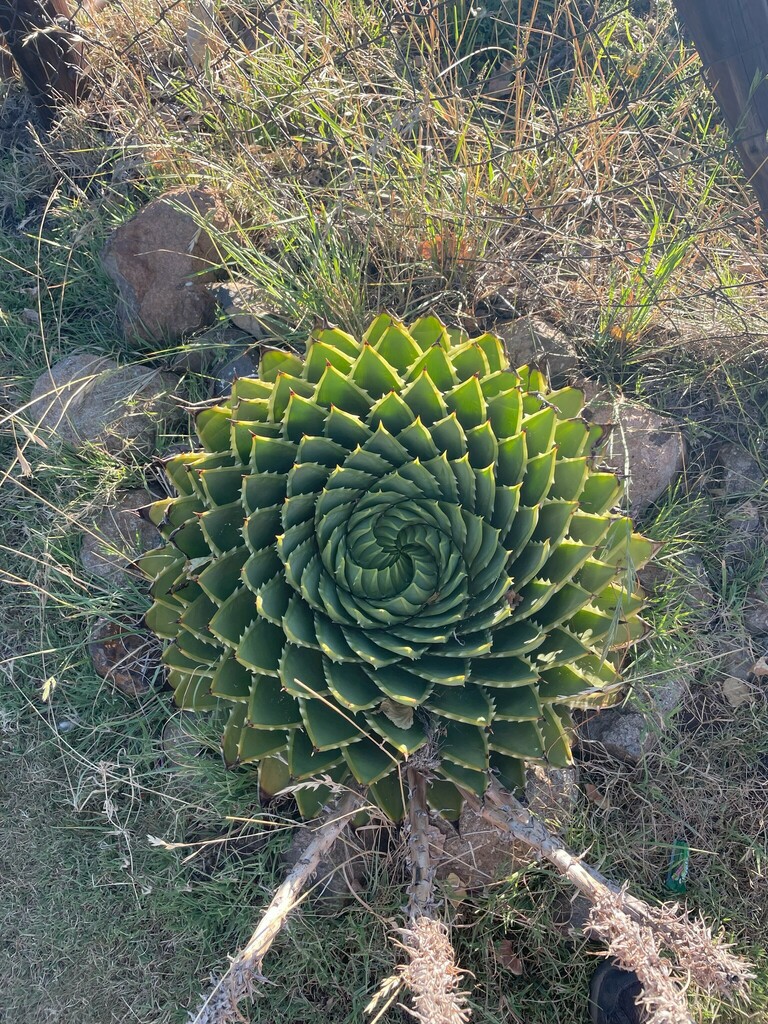
The spiral aloe is a stunning succulent known for its perfectly symmetrical, spiraling leaf pattern. It is native to the high mountains of Lesotho and prefers cool, well-draining environments. Because it is quite sensitive to heat and humidity, it can be a bit of a challenge to keep happy indoors.
At a glance
- Care level
- Difficult
- Plant type
- Succulent
- Light
- Full sun to bright light, with some afternoon shade in hot climates.
- Indoor light
- Bright indirect
- Water
- Every 10 to 20 days
- Mature size
- 1 to 2 feet wide
- Growth rate
- Slow
- Hardiness
- USDA 8 to 10
- Bloom time
- Late spring to early summer
Care
Focus on providing excellent drainage, as this plant hates sitting in soggy soil. Watch for mushy leaves, which indicate overwatering or poor airflow. It thrives best in cooler temperatures rather than sweltering heat.
- Watering
- Allow the soil to dry out almost completely between waterings.
- Feeding
- Feed lightly with a balanced succulent fertilizer during the growing season.
- Pruning
- Remove only dead or damaged leaves at the base.
- Repotting
- Repot only when the plant has clearly outgrown its container.
- Soil
- Gritty, well-draining succulent mix
- Soil pH
- 6.0 to 7.0
- Temperature
- -10 to 35°C
- Humidity
- 20 to 50%
- Drought tolerance
- Moderate
- Lifespan
- Perennial, typically 10 to 20 years
- Deer and rabbits
- High
Signs it needs repotting
- Roots growing out of the drainage hole
- Stunted growth during the active season
- Soil breaking down and losing structure
Safety
- People
- The sap can cause mild skin irritation in sensitive individuals.
- Pets
- This plant is toxic to cats and dogs if ingested.
- Children
- Keep away from children due to the sharp, albeit soft, leaf tips and potential for sap ingestion.
- Contact allergens
- The leaf margins have small, soft teeth that rarely cause mechanical irritation.
- Airborne allergens
- There are no known significant respiratory allergens associated with this plant.
- Edibility
- This plant is not intended for consumption and may cause gastrointestinal distress.
How to identify it
- Symmetrical spiral leaf arrangement
- Thick, fleshy, serrated leaves
- Compact, stemless rosette shape
- Blue-green leaf coloration
- Height
- 0.3 to 0.5m
- Spread
- 0.6 to 1m
- Leaves
- gray-green, blue-green, evergreen
- Flowers
- pink, salmon, orange, 3 to 5cm
Problems to watch for
- Brown Leaf EdgesCommon
- Root RotCommon
- MealybugsUncommon
- Scale InsectsUncommon
Check your spiral aloe from a photo
Pocket Botanist looks at a photo of your plant and tells you what's wrong and what to try first.
Scan with your phone's camera to get the app
Or go to pocketbotanist.app/get on your phone
Growing it
- Propagation
- seed
- When to plant
- spring, early autumn
- Overwintering
- Ensure the plant stays dry during winter months to prevent rot. Protect from extreme freezing temperatures if grown in a container.
- In containers
- It grows well in deep, terracotta pots to ensure proper drainage, with a minimum 30 cm diameter.
Seed propagation
- Sow fresh seeds in a very well-draining, gritty cactus mix.
- Keep the soil barely moist in a cool, bright location.
- Germination can be slow and requires patience.
Pair with other high-altitude, drought-tolerant plants that appreciate sharp drainage.
Grows well with
Similar species
- Aloe ferox · It is a larger, more common South African aloe with similar succulent needs.
Science
- Family
- Asphodelaceae
- Genus
- Aloe
- Order
- Asparagales
- Class
- Liliopsida
- Native range
- Maloti Mountains of Lesotho
- Conservation
- This species is protected in its native habitat and is considered endangered in the wild.
It thrives on steep, rocky, north-facing slopes where it receives excellent drainage and cool mountain air.
- Value to wildlife
- nectar source
- Pollinators
- bees, hummingbirds
- Uses
- ornamental specimen, rock garden feature
Through the year
Ecological indicators
- Salinity
- 2/9
- Soil reaction
- 6/9
- Light
- 8/9
- Temperature
- 4/9
- Moisture
- 3/9
- Nutrients
- 4/9
Taxonomy resolved against GBIF.
Questions people ask
- Can I grow this in a pot?
- Yes, but it requires a very deep, well-draining container and excellent airflow.
- Why is my Aloe dying?
- It is likely suffering from poor drainage or excessive summer heat.
Where the name comes from
The name polyphylla comes from Greek, meaning many-leaved, which describes its dense, spiral rosette.
Good to know
- It is commonly known as the Spiral Aloe.
- The plant is endemic to the high mountains of Lesotho.
- It is notoriously difficult to grow in low altitude or humid environments.
- The spiral can grow in either a clockwise or counter-clockwise direction.
Also in
Keep your spiral aloe growing
This page is a general guide. Save your plant in Pocket Botanist and you get care reminders timed for this plant, plus a care history that shows what worked.
Scan with your phone's camera to get the app
Or go to pocketbotanist.app/get on your phone
This guide was generated with AI on and checked against GBIF taxonomy. It is general information, not horticultural or veterinary advice. Read about how we build these guides.