 Pocket Botanist
Plant guide
Box elder.
Acer negundo
Pronounced AY-ser ne-GUN-doh
Also known as Ash-leaf Maple, Ash-leaved Maple, Box-elder, Ashleaf Maple, Box Elder, Box-elder, Ash-leaved Maple, Boxelder, Boxelder Maple, California Boxelder


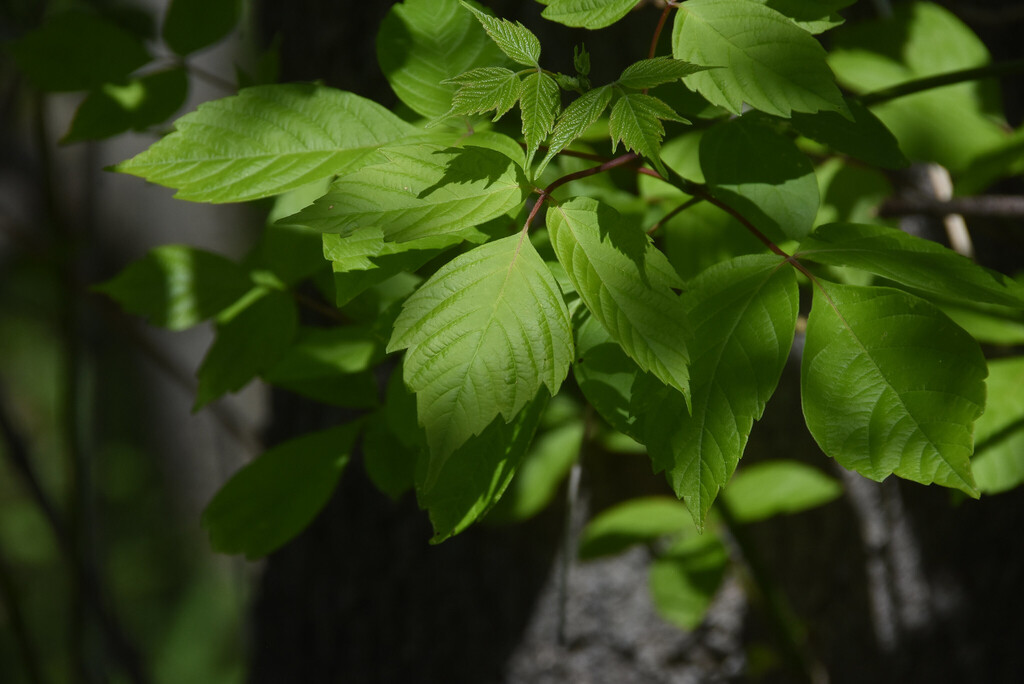
The box elder is a fast growing, hardy maple that is quite adaptable to various soil conditions. It is often found near streams and rivers in the wild. Its unique compound leaves set it apart from other maples.
At a glance
- Care level
- Easy
- Plant type
- Deciduous tree
- Light
- Full sun to partial shade
- Indoor light
- bright-indirect
- Water
- Every 7 to 14 days
- Mature size
- 15 to 20 meters
- Growth rate
- fast
- Hardiness
- USDA 2 to 9
- Bloom time
- Early spring
Care
This tree is tough and requires little intervention once established. Keep an eye out for box elder bugs which are attracted to the tree, and prune away dead or crossing branches to maintain a healthy structure.
- Watering
- Water deeply during dry spells to keep the root zone consistently moist.
- Feeding
- Apply a balanced fertilizer in early spring before new growth appears.
- Pruning
- Prune during the dormant winter season to avoid heavy sap bleeding.
- Repotting
- Repot young trees every few years if grown in containers to refresh the soil.
- Soil
- Moist, well-draining soil
- Soil pH
- 6.0 to 7.5
- Temperature
- -35 to 35°C
- Humidity
- 40 to 70%
How to identify it
- Compound leaves with three to five leaflets
- Green twigs with a waxy bloom
- Light gray bark with shallow furrows
- V-shaped samara fruit wings
- Opposite leaf arrangement on branches
- Height
- 10 to 20m
- Spread
- 8 to 15m
- Leaves
- green, yellow, deciduous
- Flowers
- yellow, green, 0.5 to 1cm
- Fruit
- tan, brown, Autumn
Growing it
- Propagation
- seed, cuttings
- When to plant
- Spring, Autumn
Science
- Family
- Sapindaceae
- Genus
- Acer
- Order
- Sapindales
- Class
- Magnoliopsida
Through the year
Taxonomy resolved against GBIF.
Is your box elder looking unwell?
This page is a general guide. Pocket Botanist diagnoses problems from a photo of your actual plant, works out watering for your light and conditions, and reminds you when care is due.
This guide was generated with AI and checked against GBIF taxonomy. It is general information, not horticultural or veterinary advice. Read about how we build these guides.