 Pocket Botanist
Plant guide
Glossy abelia.
Abelia chinensis
Pronounced uh-BEE-lee-uh chi-NEN-sis
Also known as Chinese abelia



Scan with your phone's camera to get the app
Or go to pocketbotanist.app/get on your phone
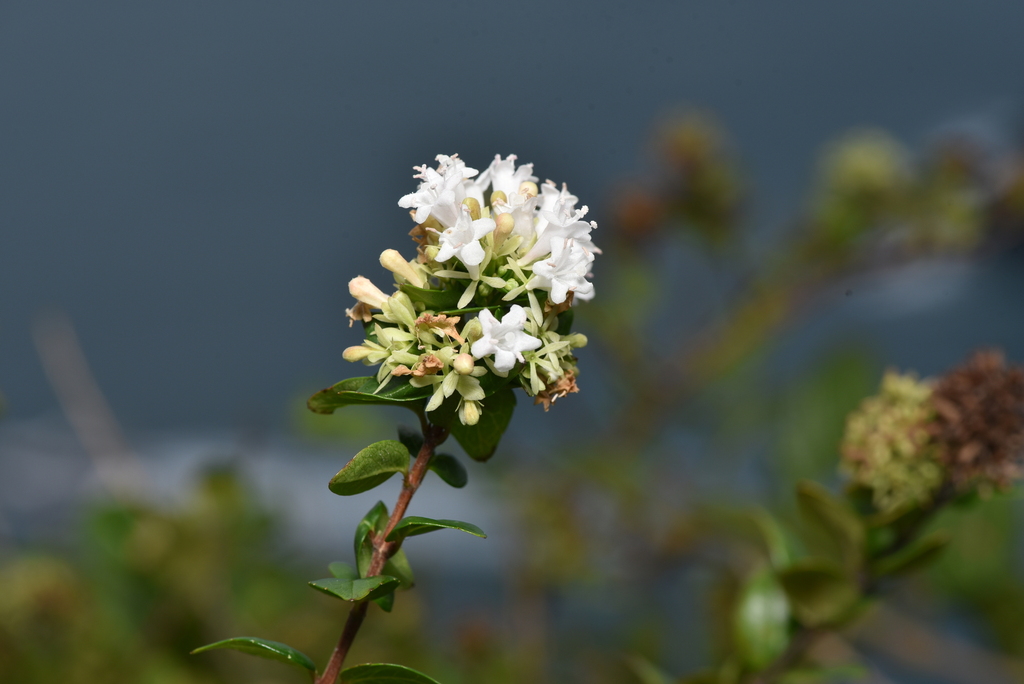
The glossy abelia is a charming shrub that brings a touch of elegance to any garden. It's well loved for its long blooming season and graceful, arching branches. You'll find it's quite a reliable performer in many different landscapes.

At a glance
- Care level
- Easy
- Plant type
- Deciduous or semi-evergreen shrub
- Light
- Full sun to partial shade
- Indoor light
- Bright indirect
- Water
- Every 7 to 14 days
- Mature size
- 3 to 6 feet
- Growth rate
- Medium
- Hardiness
- USDA 7 to 9
- Bloom time
- Mid summer to early autumn
Care
Plant this shrub in well draining soil and give it plenty of space to show off its natural shape. Keep an eye out for yellowing leaves, which often signal that the soil is staying too wet. A light trim after flowering helps keep the plant looking tidy and encourages more blooms.
- Watering
- Water deeply once the top inch of soil feels dry to the touch.
- Feeding
- Apply a balanced, slow release fertilizer once in early spring and again in mid summer.
- Pruning
- Prune lightly after the main flowering period to maintain shape and remove any dead wood.
- Repotting
- Repot only if the plant becomes root bound or you need to refresh the soil.
- Soil
- Well draining, loamy soil
- Soil pH
- Slightly acidic to neutral
- Temperature
- -12 to 35°C
- Humidity
- 40 to 70%
- Drought tolerance
- Moderate
- Lifespan
- Perennial, typically 15 to 25 years
- Fragrance
- Strong
- Deer and rabbits
- Moderate
Signs it needs repotting
- Roots growing out of the drainage holes.
- Water running straight through the soil without soaking in.
- Stunted growth during the active season.
Safety
- People
- There are no significant reports of human toxicity for this shrub.
- Children
- The small, woody stems and dried flower clusters can be a choking hazard if handled by small children.
- Contact allergens
- Some individuals may experience mild skin irritation from handling the foliage.
- Airborne allergens
- The pollen can trigger mild seasonal allergies in sensitive people.
- Edibility
- This plant is not considered edible and may cause stomach upset if ingested.
How to identify it
- Small, glossy, ovate leaves
- Fragrant, white to pinkish flowers
- Reddish sepals persist after blooming
- Arching, slender woody stems
- Height
- 1 to 2m
- Spread
- 1 to 2m
- Leaves
- dark green, bronze, semi-evergreen
- Flowers
- white, pink, 1 to 2cm
- Fruit
- brown, Late autumn
Problems to watch for
- AphidsCommon
- Powdery MildewCommon
- Leaf SpotUncommon
- Root RotUncommon
Check your glossy abelia from a photo
Pocket Botanist looks at a photo of your plant and tells you what's wrong and what to try first.
Scan with your phone's camera to get the app
Or go to pocketbotanist.app/get on your phone
Growing it
- Propagation
- cuttings, seed
- When to plant
- spring, autumn
- Overwintering
- In colder regions, apply a layer of mulch around the base to protect roots. If grown in a pot, move it to a sheltered location or unheated garage during deep freezes.
- In containers
- It grows well in large containers of at least 40 liters, provided the pot has excellent drainage.
Softwood cuttings
- Take 10cm cuttings in early summer.
- Remove lower leaves and dip the base in rooting hormone.
- Plant in a moist, sandy potting mix.
- Cover with a plastic bag to maintain humidity.
- Transplant once roots are established.
Pair with drought tolerant perennials to ensure all plants in the bed thrive with similar watering schedules.
Grows well with
- Lavender · They share similar sun and drainage requirements.
- Coneflower · The textures contrast beautifully while supporting the same pollinators.
Similar species
- Glossy Abelia · A common hybrid that is more widely available in nurseries.
Science
- Family
- Caprifoliaceae
- Genus
- Abelia
- Order
- Dipsacales
- Class
- Magnoliopsida
- Native range
- China
- Conservation
- This species is not currently listed as endangered or threatened in its native range.
It grows in rocky slopes and thickets where it relies on its ability to tolerate varied soil conditions.
- Value to wildlife
- nectar source
- Pollinators
- bees, butterflies
- Uses
- ornamental shrub, pollinator garden, hedge, container plant
Through the year
Ecological indicators
- Salinity
- 2/9
- Soil reaction
- 5/9
- Light
- 7/9
- Temperature
- 6/9
- Moisture
- 5/9
- Nutrients
- 5/9
Taxonomy resolved against GBIF.
Questions people ask
- Does it need pruning?
- Yes, prune lightly after flowering to maintain shape and encourage new growth.
- Can it grow in full shade?
- It prefers full sun but will tolerate light shade, though flowering will be reduced.
Where the name comes from
The genus honors Clarke Abel, a physician and naturalist who collected specimens in China, while the specific epithet chinensis refers to its origin.
Good to know
- It is one of the most fragrant species in the Caprifoliaceae family.
- The sepals often remain on the plant long after the petals fall, providing extended color.
- It is a parent to many popular garden hybrids.
Keep your glossy abelia growing
This page is a general guide. Save your plant in Pocket Botanist and you get care reminders timed for this plant, plus a care history that shows what worked.
Scan with your phone's camera to get the app
Or go to pocketbotanist.app/get on your phone
This guide was generated with AI on and checked against GBIF taxonomy. It is general information, not horticultural or veterinary advice. Read about how we build these guides.