 Pocket Botanist
Guía de plantas
Abelia brillante.
Abelia chinensis
Pronunciación uh-BEE-lee-uh chi-NEN-sis
También se conoce como Abelia china


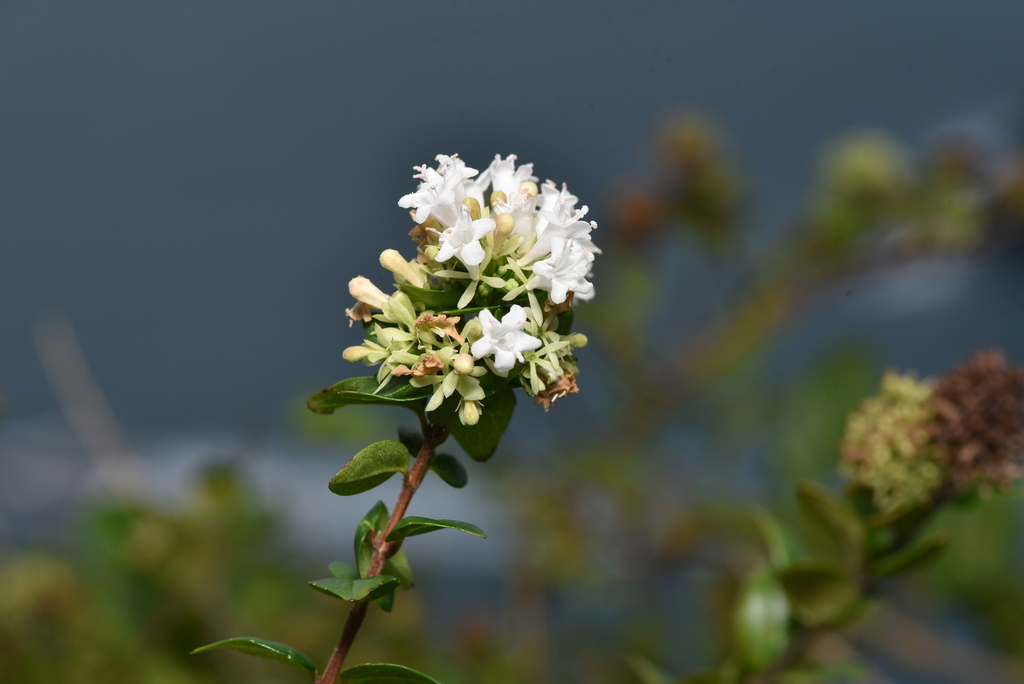
La abelia brillante es un arbusto encantador que aporta un toque de elegancia a cualquier jardín. Es muy apreciada por su larga temporada de floración y sus ramas elegantes y arqueadas. Descubrirás que es un arbusto bastante fiable en muchos paisajes diferentes.

De un vistazo
- Nivel de cuidados
- Fácil
- Tipo de planta
- Arbusto caducifolio o semiperennifolio
- Luz
- Sol pleno a sombra parcial
- Luz en interior
- Luz indirecta brillante
- Riego
- Cada 7 a 14 días
- Tamaño adulto
- 3 a 6 pies
- Ritmo de crecimiento
- Medio
- Rusticidad
- USDA 7 a 9
- Floración
- Mid summer to early autumn
Cuidados
Planta este arbusto en tierra que drene bien y dale mucho espacio para lucir su forma natural. Estate atento a las hojas amarillentas, que a menudo indican que la tierra se está manteniendo demasiado húmeda. Un ligero recorte después de la floración ayuda a mantener la planta ordenada y fomenta más flores.
- Riego
- Riega profundamente una vez que la pulgada superior de la tierra se sienta seca al tacto.
- Abonado
- Aplica un fertilizante equilibrado de liberación lenta una vez a principios de primavera y de nuevo a mediados de verano.
- Poda
- Poda ligeramente después del período principal de floración para mantener la forma y eliminar la madera muerta.
- Trasplante
- Trasplanta solo si la planta se ha vuelto demasiado apretada en sus raíces o necesitas renovar la tierra.
- Suelo
- Tierra bien drenada y franca
- pH del suelo
- Ligeramente ácida a neutra
- Temperatura
- -12 a 35°C
- Humedad
- 40 a 70%
- Tolerancia a la sequía
- Moderada
- Longevidad
- Perennial, typically 15 to 25 years
- Fragancia
- Intensa
- Resistencia a ciervos y conejos
- Moderada
Señales de que necesita trasplante
- Roots growing out of the drainage holes.
- Water running straight through the soil without soaking in.
- Stunted growth during the active season.
Seguridad
- Personas
- There are no significant reports of human toxicity for this shrub.
- Niños
- The small, woody stems and dried flower clusters can be a choking hazard if handled by small children.
- Alérgenos por contacto
- Some individuals may experience mild skin irritation from handling the foliage.
- Alérgenos en el aire
- The pollen can trigger mild seasonal allergies in sensitive people.
- Comestibilidad
- This plant is not considered edible and may cause stomach upset if ingested.
Cómo identificarla
- Hojas pequeñas, brillantes y ovales
- Flores fragantes, de color blanco a rosado
- Cálices rojizos que persisten después de la floración
- Tallos leñosos, delgados y arqueados
- Altura
- 1 a 2m
- Anchura
- 1 a 2m
- Hojas
- dark green, bronze, semi-evergreen
- Flores
- white, pink, 1 a 2cm
- Frutos
- brown, Late autumn
Problemas frecuentes
- Aphids — Small insects that cluster on new growth and suck plant sap.
- Powdery mildew — A fungal infection causing white dusty spots on leaves.
Cómo cultivarla
- Propagación
- cuttings, seed
- Cuándo plantar
- spring, autumn
- Cuidados en invierno
- In colder regions, apply a layer of mulch around the base to protect roots. If grown in a pot, move it to a sheltered location or unheated garage during deep freezes.
- En maceta
- It grows well in large containers of at least 40 liters, provided the pot has excellent drainage.
Softwood cuttings
- Take 10cm cuttings in early summer.
- Remove lower leaves and dip the base in rooting hormone.
- Plant in a moist, sandy potting mix.
- Cover with a plastic bag to maintain humidity.
- Transplant once roots are established.
Pair with drought tolerant perennials to ensure all plants in the bed thrive with similar watering schedules.
Buenas compañeras
- Lavanda inglesa — They share similar sun and drainage requirements.
- Purple coneflower — The textures contrast beautifully while supporting the same pollinators.
Especies parecidas
- Abelia x grandiflora — A common hybrid that is more widely available in nurseries.
Ciencia
- Familia
- Caprifoliaceae
- Género
- Abelia
- Orden
- Dipsacales
- Clase
- Magnoliopsida
- Distribución natural
- China
- Conservación
- This species is not currently listed as endangered or threatened in its native range.
It grows in rocky slopes and thickets where it relies on its ability to tolerate varied soil conditions.
- Valor para la fauna
- nectar source
- Polinizadores
- abejas, mariposas
- Usos
- ornamental shrub, pollinator garden, hedge, container plant
A lo largo del año
Indicadores ecológicos
- Salinidad
- 2/9
- Reacción del suelo
- 5/9
- Luz
- 7/9
- Temperatura
- 6/9
- Humedad
- 5/9
- Nutrientes
- 5/9
Taxonomía cotejada con GBIF.
Lo que más preguntan
- Does it need pruning?
- Yes, prune lightly after flowering to maintain shape and encourage new growth.
- Can it grow in full shade?
- It prefers full sun but will tolerate light shade, though flowering will be reduced.
De dónde viene el nombre
The genus honors Clarke Abel, a physician and naturalist who collected specimens in China, while the specific epithet chinensis refers to its origin.
Bueno saberlo
- It is one of the most fragrant species in the Caprifoliaceae family.
- The sepals often remain on the plant long after the petals fall, providing extended color.
- It is a parent to many popular garden hybrids.
¿Tu abelia brillante tiene mal aspecto?
Esta página es una guía general. Pocket Botanist diagnostica problemas a partir de una foto de tu propia planta, calcula el riego según tu luz y tus condiciones, y te avisa cuando toca cuidarla.
Esta guía se ha generado con IA y se ha cotejado con la taxonomía de GBIF. Es información general, no asesoramiento botánico ni veterinario. Descubre cómo elaboramos estas guías.