 Pocket Botanist
Plant guide
Abelia.
Abelia
Pronounced uh-BEE-lee-uh


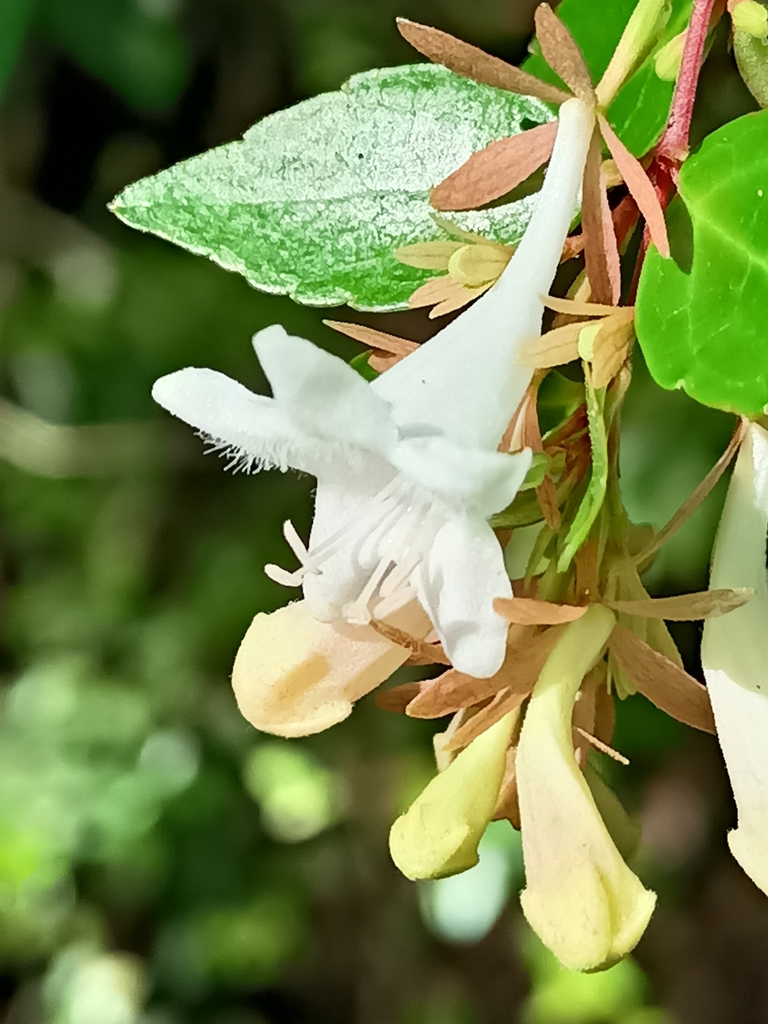
Abelia is a charming, woody shrub known for its arching branches and long blooming season. It brings a soft, graceful look to any garden with its clusters of bell shaped flowers. These shrubs are quite versatile and work well as hedges or foundation plants.
At a glance
- Care level
- Easy
- Plant type
- Shrub
- Light
- Full sun to partial shade
- Indoor light
- bright-indirect
- Water
- Every 7 to 14 days
- Mature size
- 1 to 3 meters
- Growth rate
- medium
- Hardiness
- USDA 6 to 9
- Bloom time
- Late spring to mid autumn
Care
Plant in well draining soil and provide plenty of sunlight to encourage the best flowering. Keep an eye out for aphids or scale during the growing season. Prune back after flowering to maintain a tidy shape and encourage new growth.
- Watering
- Water deeply when the top few centimeters of soil feel dry to the touch.
- Feeding
- Apply a balanced, slow release fertilizer in early spring.
- Pruning
- Prune lightly after the main flowering period to keep the shrub dense.
- Repotting
- Repot only if the plant becomes rootbound in its container.
- Soil
- Well draining, fertile loam
- Soil pH
- Slightly acidic to neutral
- Temperature
- -12 to 35°C
- Humidity
- 40 to 60%
- Drought tolerance
- moderate
- Lifespan
- Perennial, typically 15 to 25 years.
- Fragrance
- light
- Deer and rabbits
- moderate
Signs it needs repotting
- Roots growing out of the drainage holes.
- Water running straight through the pot without soaking in.
- Stunted growth despite regular feeding.
Safety
- People
- This plant is not considered toxic to humans.
- Pets
- Abelia is generally considered non-toxic to cats and dogs.
- Children
- The small, woody stems and dried flower clusters could pose a minor choking hazard if ingested by small children.
- Contact allergens
- There are no significant reports of skin irritation from handling this shrub.
- Airborne allergens
- Some people may experience mild sensitivity to the pollen during peak bloom.
- Edibility
- Abelia is generally considered non-edible and should not be consumed.
How to identify it
- Arching, slender woody stems
- Small, ovate, glossy leaves
- Clusters of bell shaped flowers
- Persistent, colorful calyxes after bloom
- Height
- 1 to 3m
- Spread
- 1 to 2.5m
- Leaves
- green, bronze, semi-evergreen
- Flowers
- white, pink, 1 to 2cm
Common problems
- Aphids — These tiny insects may cluster on new growth and suck plant sap.
- Powdery mildew — A white fungal coating can appear on leaves during periods of high humidity.
Growing it
- Propagation
- cuttings, division
- When to plant
- spring, autumn
- Overwintering
- In colder regions, apply a layer of mulch around the base to protect roots from deep freezes. If grown in a pot, move it to a sheltered area or unheated garage during the harshest winter months.
- In containers
- Abelia grows well in large containers, provided the pot has excellent drainage and is at least 15 to 20 inches wide.
Softwood cuttings
- Take 4 to 6 inch cuttings in late spring.
- Remove the lower leaves and dip the base in rooting hormone.
- Place in a moist, well-draining potting mix.
- Cover with a plastic bag to maintain humidity until roots form.
Group plants with similar water needs to ensure the Abelia does not suffer from root rot in overly damp soil.
Grows well with
- Lavender — Both plants enjoy similar sunny conditions and well-drained soil.
- Coneflower — These perennials provide a nice contrast in texture and bloom time.
Similar species
- Weigela — Both are popular flowering shrubs in the honeysuckle family with similar growth habits.
Science
- Family
- Caprifoliaceae
- Genus
- Abelia
- Order
- Dipsacales
- Class
- Magnoliopsida
- Native range
- Eastern Asia and Mexico.
- Conservation
- Abelia species are not currently listed as endangered or protected.
Abelia species often thrive in rocky, well-drained slopes where they can establish deep root systems.
- Value to wildlife
- nectar source
- Pollinators
- bees, butterflies, hummingbirds
- Uses
- ornamental hedge, foundation planting, pollinator garden
Through the year
Ecological indicators
- Salinity
- 2/9
- Soil reaction
- 6/9
- Light
- 7/9
- Temperature
- 6/9
- Moisture
- 4/9
- Nutrients
- 5/9
Taxonomy resolved against GBIF.
Questions people ask
- How often should I prune my Abelia?
- Prune lightly after the main flowering season to maintain shape and encourage new growth.
- Does Abelia need full sun?
- It performs best in full sun but will tolerate partial shade in warmer climates.
Where the name comes from
The genus name honors Clarke Abel, who collected specimens in China during the early 19th century.
Good to know
- The genus was named in honor of Dr. Clarke Abel, a physician and naturalist.
- Many varieties feature sepals that remain on the plant long after the flowers fade.
- Abelia is a member of the honeysuckle family.
Is your abelia looking unwell?
This page is a general guide. Pocket Botanist diagnoses problems from a photo of your actual plant, works out watering for your light and conditions, and reminds you when care is due.
This guide was generated with AI and checked against GBIF taxonomy. It is general information, not horticultural or veterinary advice. Read about how we build these guides.