 Pocket Botanist
Guía de plantas
Olive tree.
Olea europaea
Pronunciación oh-LEE-uh yoo-roh-PEE-uh
También se conoce como African Olive, European olive, Olive


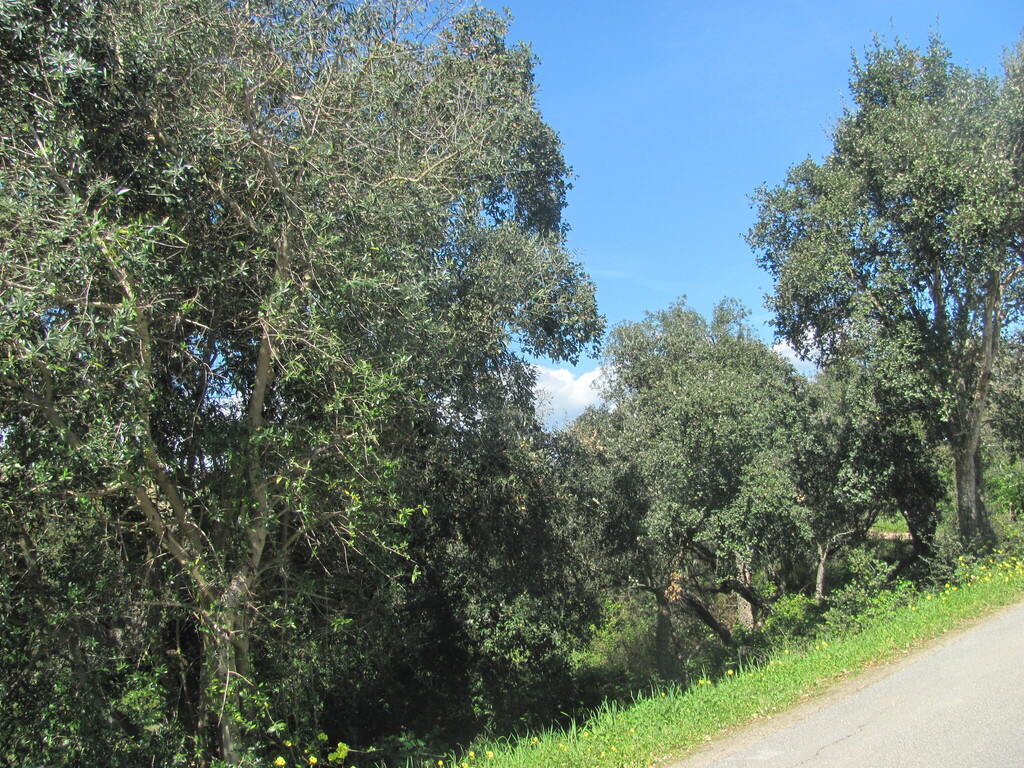
The olive tree is a beautiful, slow growing evergreen with silvery green foliage that brings a Mediterranean feel to your space. It thrives in sunny spots and is quite drought tolerant once established. Keep it in a well draining mix to ensure the roots stay healthy.
De un vistazo
- Care level
- Moderate
- Plant type
- Evergreen tree
- Light
- Full sun
- Indoor light
- direct
- Water
- Every 10 to 21 days
- Mature size
- Up to 9 meters outdoors
- Growth rate
- slow
- Hardiness
- USDA 8 to 11
- Bloom time
- Late spring to early summer
Cuidados
Place your tree in the sunniest spot you have, as it needs plenty of light to flourish. Allow the soil to dry out significantly between waterings to prevent root rot. Watch for yellowing leaves, which often signal that the plant is getting too much water.
- Watering
- Water deeply but infrequently, letting the soil dry out almost completely.
- Feeding
- Apply a balanced liquid fertilizer during the active growing season.
- Pruning
- Prune in late winter to maintain shape and encourage airflow.
- Repotting
- Repot only when the tree becomes root bound in its container.
- Soil
- Well draining sandy or rocky soil
- Soil pH
- Neutral to slightly alkaline
- Temperature
- -10 to 40°C
- Humidity
- 30 to 50%
- Drought tolerance
- high
- Lifespan
- Perennial, can live for hundreds of years.
- Fragrance
- light
- Deer and rabbits
- high
Señales de que necesita trasplante
- Roots growing out of the drainage holes.
- Water sitting on the surface for a long time.
- Stunted growth despite proper care.
- The tree becoming top-heavy and unstable.
Seguridad
- People
- The plant is non-toxic to humans, though the pits pose a choking hazard to small children.
- Pets
- The olive tree is non toxic to both cats and dogs.
- Children
- The small, hard pits of the fruit are a choking hazard for young children if ingested.
- Contact allergens
- The leaves and branches can cause mild skin irritation in sensitive individuals due to their slightly rough texture.
- Airborne allergens
- Olive pollen is a significant airborne allergen that can cause severe hay fever during the flowering season.
- Edibility
- While the fruit is edible after curing, raw olives are extremely bitter and contain oleuropein that requires processing to become palatable.
Cómo identificarla
- Silvery green lance shaped leaves
- Gnarled and textured grey trunk
- Small fragrant white flowers
- Oval shaped green to black fruit
- Height
- 1.5 to 9m
- Spread
- 1 to 6m
- Leaves
- silvery-green, grey-green, evergreen
- Flowers
- white, cream, 0.5 to 1cm
- Fruit
- green, black, Autumn
Problemas frecuentes
- Olive fruit fly — Larvae feed inside the fruit, causing premature drop and reduced oil quality.
- Peacock spot — A fungal infection that causes dark, circular spots on the leaves, often leading to defoliation.
- Scale insects — Small sap-sucking insects that cluster on stems and leaves, weakening the plant.
Cómo cultivarla
- Propagation
- cuttings, seed
- When to plant
- Spring, Autumn
- Overwintering
- Move containers to a sheltered location or unheated garage if temperatures drop below freezing. Reduce watering significantly during the winter months.
- In containers
- Olive trees grow well in large containers with excellent drainage, requiring a minimum pot size of 15 to 20 gallons for mature plants.
Semi-hardwood cuttings
- Take a 6 to 8 inch cutting from a healthy branch in late summer.
- Remove the lower leaves and dip the cut end in rooting hormone.
- Plant in a well-draining potting mix and keep in a bright, humid spot until roots form.
Pair your olive tree with Mediterranean herbs that appreciate the same well-draining soil and full sun exposure.
Buenas compañeras
Especies parecidas
- Wild Olive — This is a closely related subspecies that is often used as rootstock for cultivated varieties.
Ciencia
- Family
- Oleaceae
- Genus
- Olea
- Order
- Lamiales
- Class
- Magnoliopsida
- Native range
- Mediterranean Basin and parts of the Middle East.
- Conservation
- This species is widely cultivated and not of conservation concern in its native range.
It survives in hot, dry climates by having leathery, silver-backed leaves that reflect sunlight and reduce water loss.
- Value to wildlife
- nectar source
- Pollinators
- bees
- Uses
- culinary fruit, olive oil production, ornamental specimen, bonsai subject
A lo largo del año
Indicadores ecológicos
- Salinity
- 5/9
- Soil reaction
- 7/9
- Light
- 8/9
- Temperature
- 7/9
- Moisture
- 3/9
- Nutrients
- 4/9
Taxonomía cotejada con GBIF.
Lo que más preguntan
- Do I need two trees to get fruit?
- While many varieties are self-fertile, planting a second tree often increases your overall yield.
- Can I grow an olive tree indoors?
- They can grow indoors if placed in a very bright, sunny window, though they prefer the outdoors.
De dónde viene el nombre
The genus name Olea is the Latin word for the olive tree, while europaea refers to its historical prevalence in Europe.
Bueno saberlo
- Olive trees can thrive in very poor, rocky soil where many other plants would fail.
- The wood of the olive tree is highly prized for its beautiful grain and durability in woodworking.
- Olive oil has been a staple of Mediterranean diets for thousands of years.
- The trees are evergreen and maintain their silvery green foliage throughout the year.
También en
¿Tu olive tree tiene mal aspecto?
Esta página es una guía general. Pocket Botanist diagnostica problemas a partir de una foto de tu propia planta, calcula el riego según tu luz y tus condiciones, y te avisa cuando toca cuidarla.
Esta guía se ha generado con IA y se ha cotejado con la taxonomía de GBIF. Es información general, no asesoramiento botánico ni veterinario. Descubre cómo elaboramos estas guías.