 Pocket Botanist
Guía de plantas
Menta.
Mentha
Pronunciación MEN-thuh
También se conoce como Menta, Mentas


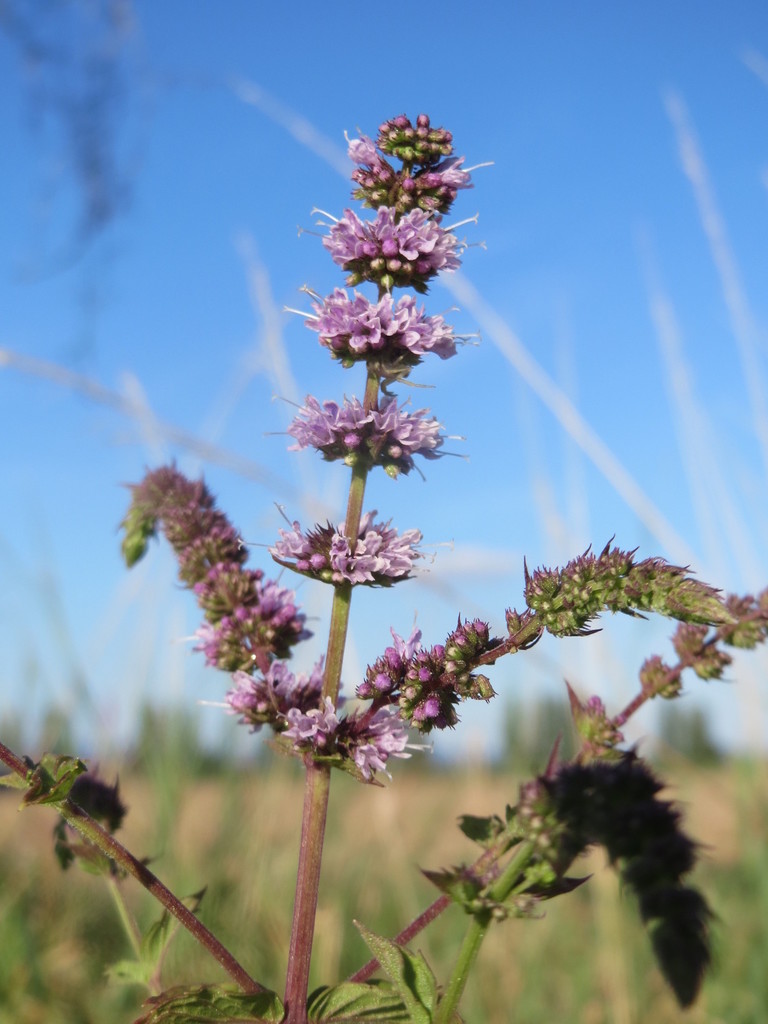
La menta es una hierba vigorosa y aromática que se propaga rápidamente a través de corredores subterráneos. Prospera en condiciones frescas y húmedas y es una favorita para uso culinario. Dado que crece de forma tan agresiva, es mejor mantenerla en macetas para evitar que se apodere de tu jardín.

De un vistazo
- Nivel de cuidados
- Fácil
- Tipo de planta
- Hierba perenne
- Luz
- Sombra parcial a pleno sol
- Luz en interior
- Luz indirecta brillante
- Riego
- Cada 2 a 4 días
- Tamaño adulto
- 60cm de alto, extensión indefinida
- Ritmo de crecimiento
- Rápido
- Rusticidad
- USDA 3 a 9
- Floración
- Mediados a finales de verano
Cuidados
Mantén la tierra constantemente húmeda y pellizca los tallos con regularidad para fomentar una forma frondosa. Presta atención a los signos de roya o mildiú polvoriento en las hojas, que pueden ocurrir si la circulación del aire es deficiente. Si la planta se queda sin espacio en la maceta, perderá vigor rápidamente.
- Riego
- Mantén la tierra constantemente húmeda pero no encharcada.
- Abonado
- Usa un fertilizante líquido equilibrado durante la temporada de crecimiento activo.
- Poda
- Cosecha o pellizca regularmente los tallos para fomentar un crecimiento denso.
- Trasplante
- Trasplanta cuando la planta se quede sin espacio en la maceta o el crecimiento se ralentice significativamente.
- Suelo
- Tierra húmeda, bien drenada y rica en nutrientes.
- pH del suelo
- 6.0 a 7.0
- Temperatura
- -20 a 35°C
- Humedad
- 40 a 70%
- Tolerancia a la sequía
- Baja
- Longevidad
- Perenne, típicamente de 3 a 5 años antes de necesitar división.
- Fragancia
- Intensa
- Resistencia a ciervos y conejos
- Alta
Señales de que necesita trasplante
- Raíces que crecen por los agujeros de drenaje.
- El crecimiento de la planta se ralentiza significativamente.
- La tierra se seca muy rápidamente.
Seguridad
- Personas
- La menta generalmente se considera no tóxica para los humanos.
- Mascotas
- La menta generalmente se considera no tóxica para gatos y perros, aunque grandes ingestiones pueden causar malestar estomacal leve.
- Niños
- El fuerte aroma a mentol puede ser abrumador para los niños muy pequeños, pero la planta no es intrínsecamente peligrosa de manipular.
- Alérgenos por contacto
- Algunas personas pueden experimentar una leve irritación de la piel por contacto con aceites de menta fresca.
- Alérgenos en el aire
- El polen de la menta no es un alérgeno importante, aunque algunas personas pueden ser sensibles a los fuertes aceites aromáticos.
- Comestibilidad
- Aunque generalmente es segura, el consumo excesivo de ciertos aceites de menta puede causar malestar digestivo.
Cómo identificarla
- Hojas opuestas, aserradas y aromáticas
- Tallos cuadrados típicos de la familia de la menta
- Pequeñas flores tubulares en espigas
- Hábito de propagación mediante estolones subterráneos
- Altura
- 0,3 a 0,9m
- Anchura
- 0,6 a 3m
- Hojas
- verde, verde oscuro, deciduo
- Flores
- lavanda, rosa, blanco, 0,2 a 0,5cm
Problemas a vigilar
- PulgonesComún
- Roya de la mentaComún
- Araña rojaPoco común
- OídioPoco común
- Podredumbre radicularPoco común
- VerticilosisPoco común
Por síntoma
Revisa tu menta con una foto
Pocket Botanist mira una foto de tu planta y te dice qué le pasa y qué probar primero.
Cómo cultivarla
- Propagación
- división, esquejes, semilla
- Cuándo plantar
- primavera, principios de otoño
- Cuidados en invierno
- En climas fríos, el follaje morirá hasta el suelo. Puedes cubrir la base con mantillo para proteger las raíces, y el nuevo crecimiento surgirá en primavera.
- En maceta
- La menta es perfecta para macetas, solo asegúrate de que la maceta tenga drenaje y tenga al menos 30 cm de ancho.
División
- 1. Desentierra una sección de la masa de raíces.
- 2. Usa un cuchillo limpio para separar las raíces.
- 3. Replanta las secciones en tierra húmeda.
Esquejes
- 1. Toma un esqueje de 10 cm de un tallo sano.
- 2. Coloca el esqueje en un vaso de agua.
- 3. Una vez que aparezcan las raíces, trasplanta a tierra.
Siempre planta la menta en su propia maceta para evitar que ahogue tus otras hierbas.
Buenas compañeras
- Tomate — La menta a menudo se planta cerca de los tomates para ayudar a disuadir ciertas plagas del jardín.
- Col rizada — El fuerte aroma de la menta puede ayudar a enmascarar el olor del repollo de los insectos hambrientos.
Especies parecidas
- Nepeta cataria — Comparte un hábito de crecimiento similar y un tallo cuadrado, pero tiene un efecto diferente en los gatos.
- Toronjil — Este es un miembro de la misma familia con un aroma cítrico distintivo.
Ciencia
- Familia
- Lamiaceae
- Género
- Mentha
- Orden
- Lamiales
- Clase
- Magnoliopsida
- Distribución natural
- Regiones templadas de Europa, Asia y América del Norte.
- Conservación
- La menta está muy extendida y no es motivo de preocupación para su conservación.
La menta prospera en suelos húmedos y perturbados y se propaga rápidamente para colonizar áreas abiertas.
- Valor para la fauna
- fuente de néctar, atrae insectos beneficiosos
- Polinizadores
- abejas, mariposas, polillas
- Usos
- hierba culinaria, té, cubresuelos, jardín aromático
A lo largo del año
Indicadores ecológicos
- Salinidad
- 2/9
- Reacción del suelo
- 6/9
- Luz
- 6/9
- Temperatura
- 5/9
- Humedad
- 7/9
- Nutrientes
- 6/9
Taxonomía cotejada con GBIF.
Lo que más preguntan
- ¿Por qué mi menta se está apoderando del jardín?
- La menta se propaga a través de vigorosos estolones subterráneos que son difíciles de detener una vez establecidos.
- ¿Puedo cultivar menta en una maceta?
- Sí, en realidad se recomienda cultivar menta en macetas para evitar que se extienda a áreas no deseadas.
De dónde viene el nombre
El nombre Mentha proviene de la ninfa griega Minthe, que fue transformada en la planta. El nombre común 'mint' (menta) es una derivación directa de esta antigua raíz griega.
Bueno saberlo
- La menta se ha utilizado durante siglos como refrescante del aliento.
- Hay más de 25 especies de menta.
- La planta es famosa por su sensación refrescante causada por el mentol.
También en
Que tu menta siga creciendo
Esta página es una guía general. Guarda tu planta en Pocket Botanist y tendrás recordatorios de cuidado pensados para esta planta, además de un historial de cuidados que muestra qué ha funcionado.
Esta guía se ha generado con IA y se ha cotejado con la taxonomía de GBIF. Es información general, no asesoramiento botánico ni veterinario. Descubre cómo elaboramos estas guías.