 Pocket Botanist
Guía de plantas
Ginkgo.
Ginkgo biloba L.
Pronunciación GINK-oh by-LOH-buh
También se conoce como Ginkgo común, Ginkgo, Árbol de cabello de doncella, Árbol capilar de doncella, gingko



El ginkgo es una especie de árbol verdaderamente antigua que ha sobrevivido durante millones de años. Es famoso por sus hojas únicas en forma de abanico que se vuelven de un dorado brillante en otoño. Verás que es una adición muy resistente y resiliente a un paisaje.
De un vistazo
- Nivel de cuidados
- Fácil
- Tipo de planta
- Árbol de hoja caduca
- Luz
- Pleno sol
- Luz en interior
- Sol directo
- Riego
- Cada 7 a 14 días
- Tamaño adulto
- 50 a 80 pies
- Ritmo de crecimiento
- Lento
- Rusticidad
- USDA 3 a 9
- Floración
- Mediados de primavera
Cuidados
Planta tu árbol en un lugar con mucho espacio para que sus raíces se extiendan. Vigila la humedad del suelo durante los primeros años mientras se establece. Tolera bastante bien la contaminación urbana y las malas condiciones del suelo.
- Riego
- Riega profundamente una vez por semana durante las sequías mientras el árbol es joven.
- Abonado
- Aplica un fertilizante equilibrado una vez a principios de primavera, antes de que comience el nuevo crecimiento.
- Poda
- Poda solo para eliminar ramas muertas o dañadas durante la estación dormente de invierno.
- Trasplante
- Si se cultiva en maceta, trasplanta a una maceta más grande cada pocos años para acomodar el crecimiento de las raíces.
- Suelo
- Suelo franco bien drenado
- pH del suelo
- 5.0 a 7.0
- Temperatura
- -30 a 40°C
- Humedad
- 40 a 70%
- Tolerancia a la sequía
- Moderada
- Longevidad
- Perenne, puede vivir más de 1.000 años.
- Resistencia a ciervos y conejos
- Alta
Señales de que necesita trasplante
- Las raíces crecen fuera de los orificios de drenaje.
- El agua pasa directamente a través de la maceta sin empaparse.
- Crecimiento atrofiado durante la temporada activa.
Seguridad
- Personas
- Las semillas son tóxicas si se consumen en grandes cantidades y la pulpa del fruto es un irritante para la piel.
- Mascotas
- Las semillas y las hojas pueden ser tóxicas para gatos y perros si se ingieren.
- Niños
- Mantenga a los niños alejados de la fruta caída, ya que la pulpa es un irritante para la piel y las semillas son venenosas si se comen.
- Alérgenos por contacto
- La pulpa del fruto contiene urushiol, que puede causar erupciones cutáneas similares a las de la hiedra venenosa.
- Alérgenos en el aire
- El polen generalmente se considera de baja alergenicidad en comparación con muchos otros árboles.
- Comestibilidad
- El recubrimiento exterior carnoso del fruto contiene ácido ginkgólico, que puede causar dermatitis de contacto grave y es tóxico si se ingiere.
Cómo identificarla
- Hojas distintivas en forma de abanico
- Las hojas tienen venas paralelas
- Color del follaje amarillo en otoño
- Ramas cortas con espolones en las ramas
- Altura
- 15 a 35m
- Anchura
- 8 a 15m
- Hojas
- verde, amarillo, caducifolio
- Flores
- verde, 1 a 2cm
- Frutos
- amarillo, naranja, Otoño
Problemas a vigilar
- Manchas foliaresComún
- ClorosisPoco común
- Podredumbre radicularPoco común
- Quemadura foliarPoco común
- Mancha foliar — Las infecciones fúngicas pueden causar manchas en las hojas durante las estaciones húmedas.
Por síntoma
Revisa tu ginkgo con una foto
Pocket Botanist mira una foto de tu planta y te dice qué le pasa y qué probar primero.
Cómo cultivarla
- Propagación
- semilla, esquejes
- Cuándo plantar
- primavera, otoño
- Cuidados en invierno
- Los árboles jóvenes se benefician de una capa de mantillo alrededor de la base para proteger las raíces de las fluctuaciones extremas de temperatura. No se necesita protección especial para los árboles establecidos.
- En maceta
- Los árboles jóvenes se pueden cultivar en recipientes grandes durante muchos años, pero eventualmente requieren ser plantados en el suelo.
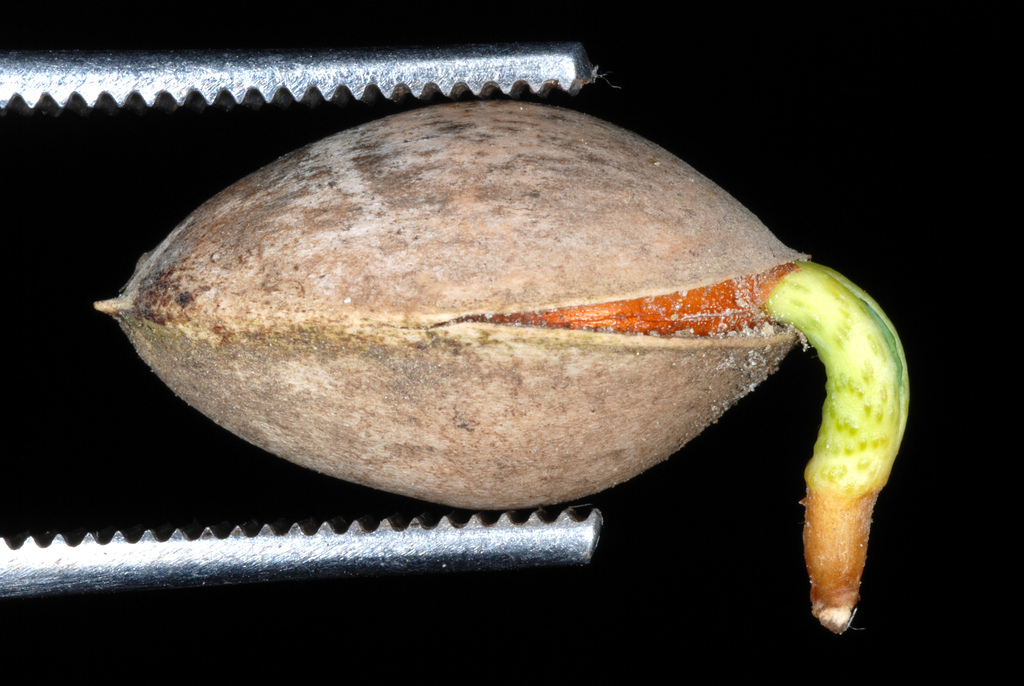
Semilla
- Limpie la pulpa carnosa de la semilla usando guantes.
- Scarifique ligeramente la dura capa exterior.
- Siembre en un marco frío durante el otoño para la germinación en primavera.
Plante perennes tolerantes a la sombra debajo del dosel para aprovechar la luz filtrada.
Buenas compañeras
- Lirio de plátano — Prosperan en la sombra moteada que proporciona el dosel maduro.
- Arce japonés — Comparten requisitos de suelo similares y proporcionan un hermoso follaje contrastante.
Especies parecidas
- Secuoya de los Apeninos — Otro antiguo conífera caducifolio que ofrece una estética prehistórica similar.
Ciencia
- Familia
- Ginkgoaceae
- Género
- Ginkgo
- Orden
- Ginkgoales
- Clase
- Ginkgoopsida
- Distribución natural
- Restringido a pequeñas áreas en el este de China.
- Conservación
- La especie está catalogada como en peligro en su área de distribución nativa en China.
Sobrevive en la naturaleza al ser muy adaptable a diversos tipos de suelo y resistente a la mayoría de las plagas y enfermedades modernas.
- Valor para la fauna
- linaje evolutivo antiguo, resiliencia urbana
- Polinizadores
- abejas, escarabajos
- Usos
- árbol ornamental de sombra, plantación en calles urbanas, medicina herbal tradicional
A lo largo del año
Indicadores ecológicos
- Salinidad
- 4/9
- Luz
- 7/9
- Temperatura
- 5/9
- Humedad
- 5/9
- Nutrientes
- 5/9
- Reacción del suelo
- 5/9
Taxonomía cotejada con GBIF.
Lo que más preguntan
- ¿Por qué la gente prefiere los árboles machos?
- Los árboles hembra producen frutos que tienen un olor muy desagradable y rancio cuando caen y se pudren.
- ¿Qué tan rápido crecen?
- Son de crecimiento lento a moderado, a menudo tardan muchos años en alcanzar la madurez.
De dónde viene el nombre
El nombre Ginkgo es una corrupción de la palabra japonesa para melocotón plateado, mientras que biloba se refiere a la forma bilobulada de las hojas.
Bueno saberlo
- Los árboles Ginkgo son dioicos, lo que significa que las flores masculinas y femeninas crecen en árboles separados.
- Las hojas se vuelven de un color dorado brillante y uniforme de una vez en otoño.
- Son increíblemente resistentes a la contaminación y a las plagas, lo que los hace perfectos para las calles de la ciudad.
- El nombre proviene de una lectura errónea de la palabra japonesa ginkyo, que significa melocotón plateado.
También en
Que tu ginkgo siga creciendo
Esta página es una guía general. Guarda tu planta en Pocket Botanist y tendrás recordatorios de cuidado pensados para esta planta, además de un historial de cuidados que muestra qué ha funcionado.
Esta guía se ha generado con IA y se ha cotejado con la taxonomía de GBIF. Es información general, no asesoramiento botánico ni veterinario. Descubre cómo elaboramos estas guías.