 Pocket Botanist
Guía de plantas
Arce japonés.
Acer palmatum
Pronunciación AY-ser pal-MAY-tum
También se conoce como Arce japonés, Arce palmeado, Arce japonés morado, Arce japonés liso, Arce japonés liso, arce-japonés



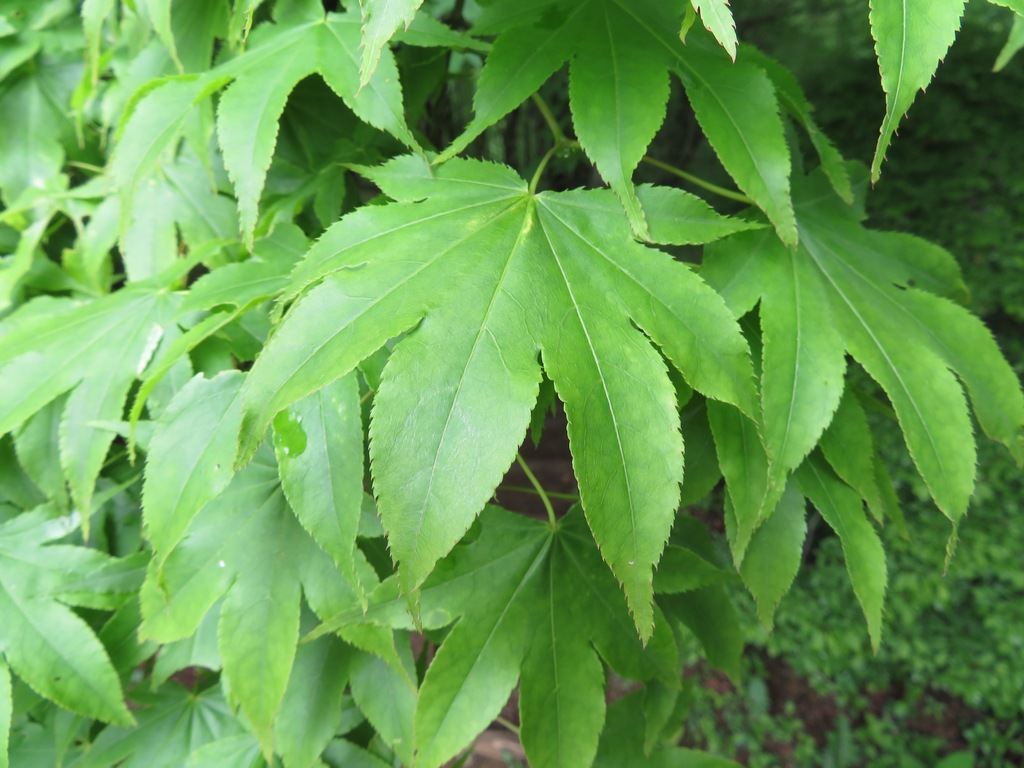
El arce japonés es un árbol elegante de crecimiento lento, apreciado por sus delicadas hojas profundamente lobuladas y su asombroso color estacional. Crece bien en lugares protegidos donde puede evitar vientos fuertes y el sol intenso de la tarde. Estos árboles añaden un toque sofisticado a cualquier jardín, especialmente como punto focal.
De un vistazo
- Nivel de cuidados
- Media
- Tipo de planta
- Árbol caducifolio
- Luz
- Sombra parcial a luz solar moteada
- Luz en interior
- Luz indirecta brillante
- Riego
- Cada 3 a 7 días
- Tamaño adulto
- 6 a 10 metros
- Ritmo de crecimiento
- Lento
- Rusticidad
- USDA 5 a 9
- Floración
- Mediados a finales de primavera
Cuidados
Mantén la tierra constantemente húmeda pero nunca encharcada para prevenir la pudrición de las raíces. Vigila las quemaduras en las hojas durante los días calurosos de verano, lo que indica que la planta necesita más sombra o humedad. Aplica una capa de mantillo alrededor de la base para ayudar a retener la humedad y proteger las raíces.
- Riego
- Riega profundamente cada vez que los primeros centímetros de tierra se sientan secos al tacto.
- Abonado
- Aplica un fertilizante equilibrado de liberación lenta a principios de primavera, justo cuando los brotes comiencen a hincharse.
- Poda
- Poda solo durante la estación invernal inactiva para eliminar ramas muertas o cruzadas.
- Trasplante
- Trasplanta los árboles jóvenes cada pocos años a principios de primavera para renovar la tierra y dar espacio al crecimiento de las raíces.
- Suelo
- Suelo bien drenado, ligeramente ácido y rico en materia orgánica
- pH del suelo
- 5.5 a 6.5
- Temperatura
- -20 a 35°C
- Humedad
- 40 a 70%
- Tolerancia a la sequía
- Moderada
- Longevidad
- Perenne, típicamente de 50 a 100 años.
- Resistencia a ciervos y conejos
- Moderada
Señales de que necesita trasplante
- Raíces saliendo de los orificios de drenaje.
- El agua permanece en la superficie demasiado tiempo.
- Tasa de crecimiento reducida durante la temporada.
Seguridad
- Personas
- Esta planta generalmente se considera no tóxica para los humanos.
- Niños
- No hay preocupaciones de seguridad específicas para los niños con respecto a esta planta.
- Alérgenos por contacto
- La savia puede causar irritación leve de la piel en personas sensibles.
- Alérgenos en el aire
- El polen generalmente no se considera un alérgeno significativo.
- Comestibilidad
- Las hojas y las semillas no se consideran comestibles para los humanos.
Cómo identificarla
- Hojas palmeadas profundamente lobuladas
- Ramas delicadas y esbeltas
- Follaje otoñal de color rojo o naranja vibrante
- Flores pequeñas e discretas en primavera
- Altura
- 2 a 6m
- Anchura
- 2 a 5m
- Hojas
- verde, rojo, púrpura, bronce, caducifolio
- Flores
- rojo, púrpura, amarillo, 0,5 a 1cm
- Frutos
- marrón, canela, Otoño
Problemas a vigilar
- PulgonesComún
- Quemadura foliarComún
- VerticilosisComún
- CochinillasPoco común
- Daños por heladas tardíasPoco común
- Podredumbre radicularPoco común
- Marchitez por Verticillium — Un hongo del suelo que causa la muerte de ramas y puede ser fatal.
Revisa tu arce japonés con una foto
Pocket Botanist mira una foto de tu planta y te dice qué le pasa y qué probar primero.
Cómo cultivarla
- Propagación
- esquejes, injerto, semilla
- Cuándo plantar
- primavera, otoño
- Cuidados en invierno
- Aplica una capa de mantillo alrededor de la base para proteger las raíces de las fluctuaciones extremas de temperatura. Si está en una maceta, muévelo a un lugar protegido lejos de los vientos secos del invierno.
- En maceta
- Crecen muy bien en contenedores, siempre que la maceta tenga un excelente drenaje y tenga al menos 40 centímetros de ancho.
Esquejes de madera blanda
- 1. Tomar esquejes de 10 cm a principios de verano.
- 2. Sumergir la base en hormona de enraizamiento.
- 3. Colocar en una mezcla para macetas bien drenada.
- 4. Cubrir con plástico para mantener la humedad.
- 5. Mantener con luz indirecta brillante hasta que arraigue.
Planta perennes del sotobosque que ayudan a mantener el suelo fresco y húmedo alrededor del sistema de raíces poco profundo.
Buenas compañeras
- Lirio de plátano — Comparten requisitos de luz y humedad similares en el jardín de sombra.
- Hakonechloa macra — El hábito en cascada de la hierba complementa el delicado follaje del arce.
Especies parecidas
- Acer shirasawanum — Tiene un hábito de crecimiento similar y también es muy valorado por su follaje.
Ciencia
- Familia
- Sapindaceae
- Género
- Acer
- Orden
- Sapindales
- Clase
- Magnoliopsida
- Distribución natural
- Japón, Corea y el este de China.
- Conservación
- Esta especie no está actualmente catalogada como en peligro de extinción o amenazada.
Crece como un árbol del sotobosque en bosques templados, prosperando en luz moteada y suelo húmedo.
- Valor para la fauna
- fuente de néctar
- Polinizadores
- abejas, mariposas
- Usos
- ejemplar ornamental, sujeto de bonsái, planta de contenedor, jardín boscoso
A lo largo del año
Indicadores ecológicos
- Nutrientes
- 5/9
- Temperatura
- 5/9
- Salinidad
- 1/9
- Reacción del suelo
- 4/9
- Luz
- 5/9
- Humedad
- 6/9
Taxonomía cotejada con GBIF.
Lo que más preguntan
- ¿Por qué se están volviendo marrones las puntas de mis hojas?
- Esto a menudo es causado por baja humedad, exposición al viento o riego inconsistente.
- ¿Puedo cultivarlos a pleno sol?
- La mayoría de las variedades prefieren sombra parcial, especialmente en climas cálidos para evitar quemaduras en las hojas.
De dónde viene el nombre
El nombre de la especie palmatum describe la forma de palma de las hojas, mientras que el nombre común refleja su origen nativo.
Bueno saberlo
- Hay más de 1000 cultivares nombrados de arce japonés.
- El nombre palmatum se refiere a las hojas que se asemejan a una mano abierta.
- Estos árboles son un elemento básico del diseño tradicional de jardines japoneses.
También en
Que tu arce japonés siga creciendo
Esta página es una guía general. Guarda tu planta en Pocket Botanist y tendrás recordatorios de cuidado pensados para esta planta, además de un historial de cuidados que muestra qué ha funcionado.
Esta guía se ha generado con IA y se ha cotejado con la taxonomía de GBIF. Es información general, no asesoramiento botánico ni veterinario. Descubre cómo elaboramos estas guías.