 Pocket Botanist
Guide botanique
Ginkgo.
Ginkgo biloba L.
Prononciation GINK-oh by-LOH-buh
Aussi appelée Ginkgo commun, Ginkgo, Arbre aux mille écus, Maidenhair-tree, gingko



Le ginkgo est une espèce d'arbre vraiment ancienne qui a survécu pendant des millions d'années. Il est célèbre pour ses feuilles uniques en forme d'éventail qui deviennent d'un or brillant à l'automne. Vous constaterez que c'est un ajout très robuste et résilient à un paysage.
En un coup d'œil
- Niveau d'entretien
- Facile
- Type de plante
- Arbre à feuilles caduques
- Lumière
- Plein soleil
- Lumière en intérieur
- Soleil direct
- Arrosage
- Tous les 7 à 14 jours
- Taille adulte
- 50 à 80 pieds
- Croissance
- Lente
- Rusticité
- USDA 3 à 9
- Floraison
- Mi-printemps
Entretien
Plantez votre arbre dans un endroit où ses racines ont beaucoup d'espace pour s'étendre. Surveillez l'humidité du sol pendant les premières années pendant qu'il s'établit. Il est assez tolérant à la pollution urbaine et aux sols pauvres.
- Arrosage
- Arrosez abondamment une fois par semaine pendant les périodes sèches lorsque l'arbre est jeune.
- Engrais
- Appliquez un engrais équilibré une fois au début du printemps avant le démarrage de la nouvelle croissance.
- Taille
- Taille uniquement pour enlever les branches mortes ou endommagées pendant la saison dormante d'hiver.
- Rempotage
- Si cultivé en conteneur, transplantez dans un pot plus grand tous les quelques années pour accommoder la croissance des racines.
- Sol
- Sol limoneux bien drainé
- pH du sol
- 5,0 à 7,0
- Température
- -30 à 40°C
- Humidité
- 40 à 70%
- Résistance à la sécheresse
- Moyenne
- Durée de vie
- Vivace, peut vivre plus de 1 000 ans.
- Résistance aux chevreuils et lapins
- Élevée
Signes qu'il faut rempoter
- Les racines sortent des trous de drainage.
- L'eau traverse le pot sans s'infiltrer.
- Croissance ralentie pendant la saison active.
Sécurité
- Humains
- Les graines sont toxiques si consommées en grande quantité et la pulpe du fruit est un irritant cutané.
- Animaux
- Les graines et les feuilles peuvent être toxiques pour les chats et les chiens s'ils sont ingérés.
- Enfants
- Éloignez les enfants des fruits tombés car la pulpe est un irritant cutané et les graines sont toxiques si mangées.
- Allergènes de contact
- La pulpe du fruit contient de l'urushiol, qui peut provoquer des éruptions cutanées similaires à celles du sumac vénéneux.
- Allergènes aéroportés
- Le pollen est généralement considéré comme ayant une faible allergénicité par rapport à de nombreux autres arbres.
- Comestibilité
- Le revêtement extérieur charnu du fruit contient de l'acide ginkgolique, qui peut provoquer une grave dermatite de contact et est toxique s'il est ingéré.
Comment l'identifier
- Feuilles distinctives en forme d'éventail
- Feuilles avec des nervures parallèles
- Couleur du feuillage jaune à l'automne
- Court-branches sur les branches
- Hauteur
- 15 à 35m
- Envergure
- 8 à 15m
- Feuilles
- vert, jaune, caduc
- Fleurs
- vert, 1 à 2cm
- Fruits
- jaune, orange, Automne
Problèmes à surveiller
- Taches foliairesCourant
- Brûlures du feuillagePeu courant
- ChlorosePeu courant
- Pourriture des racinesPeu courant
Par symptôme
Vérifie la santé de ta plante en photo
Pocket Botanist analyse une photo de ta plante et te dit ce qui ne va pas et quoi essayer en premier.
La cultiver
- Multiplication
- semis, bouturage
- Quand planter
- printemps, automne
- Hivernage
- Les jeunes arbres bénéficient d'une couche de paillis autour de la base pour protéger les racines des fluctuations extrêmes de température. Aucune protection spéciale n'est nécessaire pour les arbres établis.
- En pot
- Les jeunes arbres peuvent être cultivés dans de grands contenants pendant de nombreuses années, mais ils nécessitent éventuellement d'être plantés en pleine terre.
Semis
- Nettoyez la pulpe charnue de la graine en portant des gants.
- Scarifiez légèrement la coque extérieure dure.
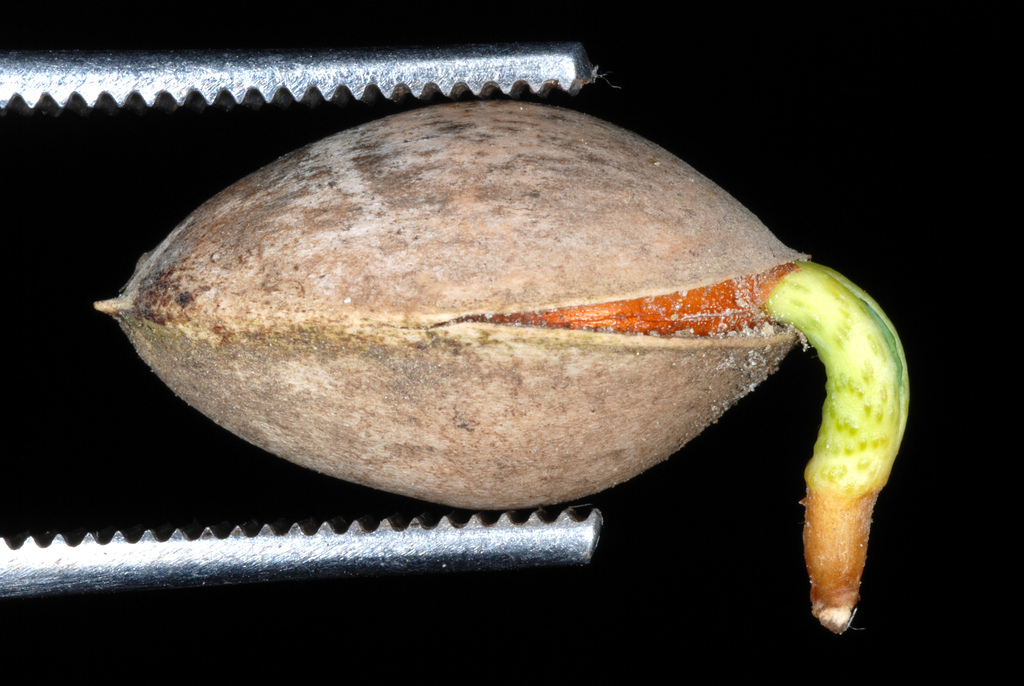
- Semez sous châssis froid en automne pour une germination au printemps.
Plantez des vivaces tolérantes à l'ombre sous la canopée pour profiter de la lumière filtrée.
Bonnes associations
- Hosta — Ils prospèrent à l'ombre tachetée offerte par la canopée mature.
- Érable du Japon — Ils partagent des exigences similaires en matière de sol et offrent un beau feuillage contrastant.
Espèces similaires
- Séquoia d'eau — Un autre conifère décidu ancien qui offre une esthétique préhistorique similaire.
Science
- Famille
- Ginkgoaceae
- Genre
- Ginkgo
- Ordre
- Ginkgoales
- Classe
- Ginkgoopsida
- Région d'origine
- Limité à de petites régions de l'est de la Chine.
- Préservation
- L'espèce est classée comme en danger dans son aire de répartition indigène en Chine.
Il survit à l'état sauvage en s'adaptant très bien à divers types de sols et en résistant à la plupart des nuisibles et maladies modernes.
- Intérêt pour la faune
- lignée évolutive ancienne, résilience urbaine
- Pollinisateurs
- abeilles, coléoptères
- Utilisations
- arbre d'ombrage ornemental, plantation en milieu urbain, médecine traditionnelle à base de plantes
Au fil des saisons
Repères écologiques
- Salinité
- 4/9
- Lumière
- 7/9
- Température
- 5/9
- Humidité
- 5/9
- Nutriments
- 5/9
- Réaction du sol
- 5/9
Taxonomie vérifiée avec le GBIF.
Ce qu'on demande souvent
- Pourquoi préfère-t-on les arbres mâles ?
- Les arbres femelles produisent des fruits qui dégagent une odeur très désagréable et rance lorsqu'ils tombent et se décomposent.
- À quelle vitesse poussent-ils ?
- Ils ont une croissance lente à modérée, prenant souvent de nombreuses années pour atteindre la maturité.
D'où vient le nom
Le nom Ginkgo est une déformation du mot japonais pour abricot argenté, tandis que biloba fait référence à la forme bilobée des feuilles.
Bon à savoir
- Les arbres Ginkgo sont dioïques, c'est-à-dire que les fleurs mâles et femelles poussent sur des arbres séparés.
- Les feuilles virent à un coloris doré, uniforme et éclatant, tout d'un coup, en automne.
- Ils résistent incroyablement bien à la pollution et aux nuisibles, ce qui les rend parfaits pour les rues des villes.
- Le nom provient d'une mauvaise lecture du mot japonais ginkyo, signifiant abricot argenté.
Aussi dans
Garde ta plante en pleine forme
Cette page est un guide général. Enregistre ta plante dans Pocket Botanist et tu reçois des rappels d'entretien adaptés à cette plante, ainsi qu'un historique d'entretien qui montre ce qui a marché.
Ce guide a été généré par IA et vérifié avec la taxonomie du GBIF. Il s'agit d'informations générales, et non de conseils horticoles ou vétérinaires. Découvre comment nous concevons ces guides.