 Pocket Botanist
Guía de plantas
Pawpaw.
Asimina triloba
Pronunciación uh-SIM-ih-nuh try-LOH-buh
También se conoce como American paw paw, Banana de perro, Banana india, Banana de Indiana, Pawpaw, Pawpawtree, Bandango, common paw paw


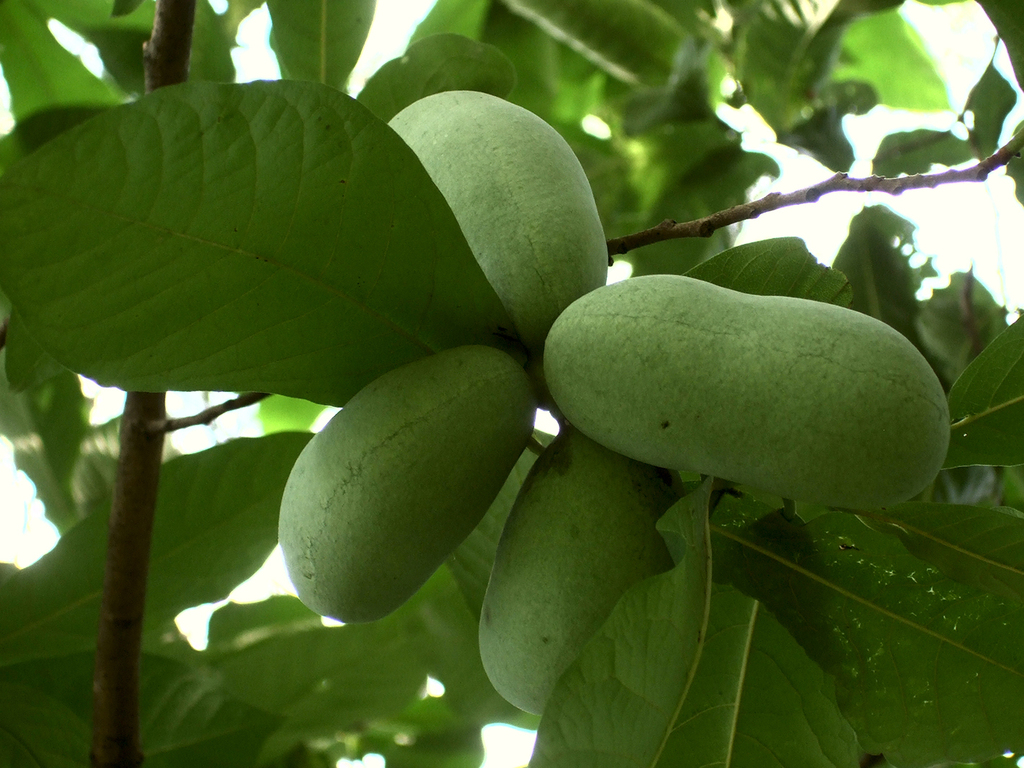
El papayo es un árbol frutal norteamericano único que produce frutos grandes con sabor tropical. Crece como un árbol pequeño de sotobosque en su hábitat nativo. Te encantarán sus caídas hojas verde oscuro y sus interesantes flores moradas.
De un vistazo
- Nivel de cuidados
- Media
- Tipo de planta
- Árbol frutal de hoja caduca
- Luz
- Pleno sol a sombra parcial
- Luz en interior
- Luz indirecta brillante
- Riego
- Cada 7 a 14 días
- Tamaño adulto
- 15 a 30 pies
- Ritmo de crecimiento
- Medio
- Rusticidad
- USDA 5 a 9
- Floración
- Mid to late spring
Cuidados
Los árboles jóvenes necesitan protección del sol intenso hasta que establezcan un sistema de raíces fuerte. Mantén la tierra constantemente húmeda pero no encharcada para apoyar una producción de fruta saludable. Busca hojas amarillentas que a menudo señalan un mal drenaje o deficiencia de nutrientes.
- Riego
- Mantén la tierra uniformemente húmeda, especialmente durante los primeros años de crecimiento.
- Abonado
- Aplica un fertilizante balanceado a principios de primavera cuando comience el nuevo crecimiento.
- Poda
- Poda a finales de invierno para eliminar la madera muerta y mejorar la forma del árbol.
- Trasplante
- Los papayos tienen una raíz principal sensible, así que solo trasplanta cuando sea absolutamente necesario.
- Suelo
- Tierra profunda, rica y bien drenada
- pH del suelo
- 5.5 a 7.0
- Temperatura
- -25 a 35°C
- Humedad
- 40 a 70%
- Tolerancia a la sequía
- Baja
- Longevidad
- Perennial, typically 20 to 40 years.
- Fragancia
- Intensa
- Resistencia a ciervos y conejos
- Alta
Señales de que necesita trasplante
- Roots circling the bottom of the pot
- Stunted growth despite proper care
Seguridad
- Personas
- The seeds and skin contain annonacin, which is toxic if ingested in large quantities.
- Niños
- The seeds are a choking hazard and should not be eaten.
- Alérgenos por contacto
- Some individuals may experience skin irritation from handling the leaves or fruit skin.
- Alérgenos en el aire
- The pollen is not considered a significant airborne allergen.
- Comestibilidad
- Only the ripe fruit flesh is edible, as the skin and seeds can cause digestive distress.
Cómo identificarla
- Hojas grandes, caídas y obovadas
- Flores moradas oscuras en forma de campana
- Racimos de fruta con forma de riñón
- Corteza lisa, de color marrón grisáceo
- Altura
- 3 a 9m
- Anchura
- 2,5 a 6m
- Hojas
- bright green, yellow in autumn, deciduous
- Flores
- maroon, purple, 3 a 5cm
- Frutos
- green, brown, Late summer to early autumn
Problemas frecuentes
- Pawpaw peduncle borer — A moth larva that feeds on the flower stems and can reduce fruit set.
Cómo cultivarla
- Propagación
- seed, cuttings, root suckers
- Cuándo plantar
- spring, early autumn
- Cuidados en invierno
- Young trees benefit from a layer of mulch around the base to protect roots from extreme temperature fluctuations. No special pruning is needed during the winter months.
- En maceta
- It is not well suited for containers due to its deep taproot system.
Seed propagation
- 1. Collect fresh seeds in autumn and keep them moist.
- 2. Stratify seeds in the refrigerator for 90 to 120 days.
- 3. Plant seeds in deep pots to accommodate the taproot.
- 4. Keep soil consistently moist until germination occurs.
Plant pawpaws in a group to ensure cross pollination and create a mini woodland ecosystem.
Buenas compañeras
- Northern spicebush — They share similar moisture and shade requirements in the understory.
- Asarum canadense — It makes a great groundcover that thrives in the same woodland conditions.
Especies parecidas
- American persimmon — Another native fruit tree that thrives in similar woodland habitats.
Ciencia
- Familia
- Annonaceae
- Género
- Asimina
- Orden
- Magnoliales
- Clase
- Magnoliopsida
- Distribución natural
- Eastern United States and parts of southeastern Canada.
- Conservación
- This species is secure and widely distributed throughout its native range.
It grows naturally in the shady understory of moist, rich bottomland forests.
- Valor para la fauna
- larval host plant for zebra swallowtail butterfly, provides fruit for small mammals
- Polinizadores
- escarabajos, flies
- Usos
- edible fruit, ornamental tree, wildlife habitat
A lo largo del año
Indicadores ecológicos
- Salinidad
- 1/9
- Reacción del suelo
- 6/9
- Luz
- 5/9
- Temperatura
- 5/9
- Humedad
- 7/9
- Nutrientes
- 6/9
Taxonomía cotejada con GBIF.
Lo que más preguntan
- Do I need two trees to get fruit?
- Yes, you need two different genetic varieties for cross pollination.
- How do I know when the fruit is ripe?
- The fruit will soften slightly and emit a strong, sweet fragrance.
De dónde viene el nombre
The name pawpaw likely comes from the Spanish word papaya due to a superficial resemblance in fruit appearance. The specific epithet triloba refers to the three lobed calyx of the flowers.
Bueno saberlo
- Pawpaws have a tropical flavor profile often described as a mix of banana, mango, and pineapple.
- They are the only temperate member of the custard apple family.
- The fruit has a very short shelf life once picked, making it rare in commercial markets.
- Early settlers used the fibrous inner bark to make cordage.
También en
¿Tu pawpaw tiene mal aspecto?
Esta página es una guía general. Pocket Botanist diagnostica problemas a partir de una foto de tu propia planta, calcula el riego según tu luz y tus condiciones, y te avisa cuando toca cuidarla.
Esta guía se ha generado con IA y se ha cotejado con la taxonomía de GBIF. Es información general, no asesoramiento botánico ni veterinario. Descubre cómo elaboramos estas guías.