 Pocket Botanist
Guía de plantas
American persimmon.
Diospyros virginiana
Pronunciación dy-OS-pih-ros vir-jin-ee-AY-nah
También se conoce como American persimmon, Eastern Persimmon, Simmon, Sugar-plum, Sugarplum, common persimmon, persimmon, possum apples


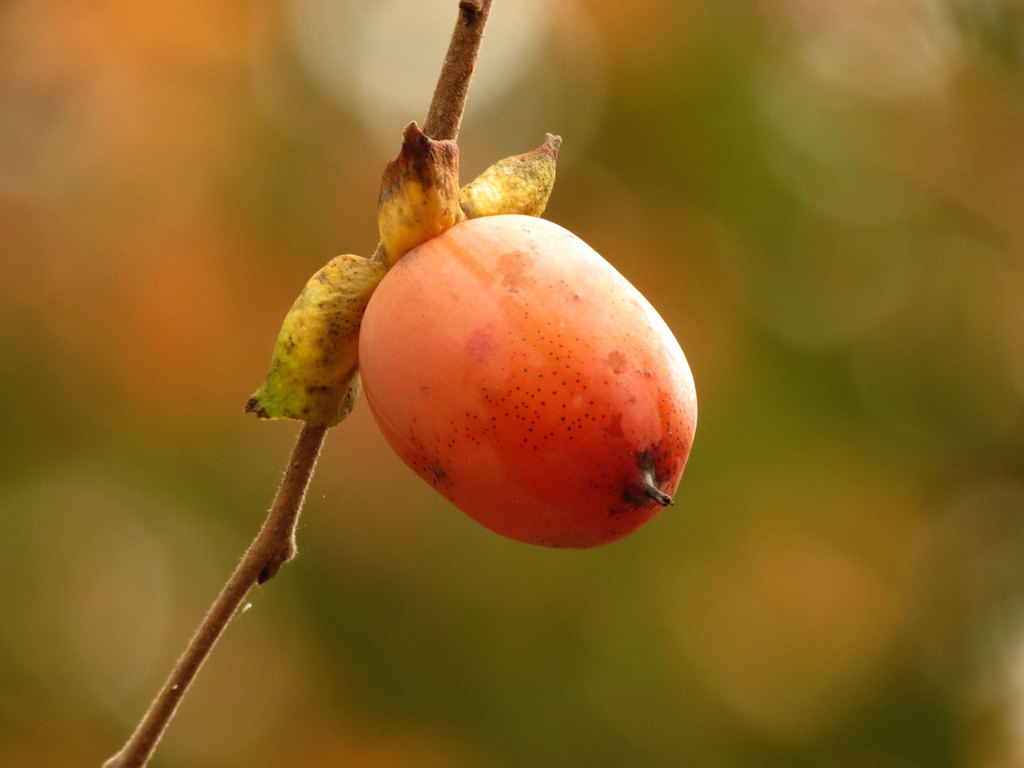
The American persimmon is a lovely native tree known for its sweet, edible orange fruit that ripens in late autumn. It has a graceful, rounded canopy and provides great habitat for local wildlife. You will love watching its unique, blocky bark develop as the tree matures.
De un vistazo
- Nivel de cuidados
- Fácil
- Tipo de planta
- Deciduous tree
- Luz
- Full sun to partial shade
- Luz en interior
- Sol directo
- Riego
- Cada 7 a 14 días
- Tamaño adulto
- 30 to 60 feet
- Ritmo de crecimiento
- Medio
- Rusticidad
- USDA 4 a 9
- Floración
- Late spring to early summer
Cuidados
Plant this tree in a spot with plenty of sun to ensure the best fruit production. Keep an eye on soil moisture during the first few years, but it becomes quite hardy once established. Watch for leaf spot or wilt if the tree seems stressed.
- Riego
- Water deeply during dry spells while the tree is young to help it establish a strong root system.
- Abonado
- Apply a balanced fertilizer once in early spring before new growth begins.
- Poda
- Prune during the dormant winter season to remove dead wood and maintain a healthy shape.
- Trasplante
- This is a large tree meant for outdoor planting and is not suitable for container life long term.
- Suelo
- Well-draining, loamy, or sandy soil
- pH del suelo
- 6.0 to 7.5
- Temperatura
- -30 a 38°C
- Humedad
- 40 a 70%
- Tolerancia a la sequía
- Moderada
- Longevidad
- Perennial, typically 50 to 75 years
- Fragancia
- Suave
- Resistencia a ciervos y conejos
- Moderada
Señales de que necesita trasplante
- Roots growing out of the drainage holes
- Stunted growth during the active season
Seguridad
- Personas
- The plant is generally considered non-toxic, though the unripe fruit is highly astringent.
- Niños
- The fruit is safe for children to eat once fully ripe and soft, but they should be taught to avoid hard, green fruit.
- Alérgenos por contacto
- The bark and leaves are not known to cause skin irritation.
- Alérgenos en el aire
- The pollen may cause mild respiratory discomfort for sensitive individuals during the flowering season.
- Comestibilidad
- Unripe fruit contains high levels of tannins that cause an extremely astringent, drying sensation in the mouth.
Cómo identificarla
- Blocky, dark gray, alligator-like bark
- Simple, alternate, oval-shaped leaves
- Sweet, orange, fleshy edible fruit
- Drooping, bell-shaped, greenish-yellow flowers
- Altura
- 9 a 18m
- Anchura
- 6 a 10m
- Hojas
- dark green, yellow, deciduous
- Flores
- creamy white, pale yellow, 1 a 2cm
- Frutos
- orange, purplish, Autumn
Problemas frecuentes
- Persimmon psyllid — Small insects that cause leaf curling and gall formation.
- Leaf spot — Fungal infections that create dark spots on foliage during wet seasons.
Cómo cultivarla
- Propagación
- seed, cuttings, grafting
- Cuándo plantar
- spring, autumn
- Cuidados en invierno
- The tree is fully hardy and requires no special winter protection once established.
- En maceta
- It is not well suited for long term container growth due to its deep taproot.
Seed
- 1. Clean the seeds of all fruit pulp.
- 2. Stratify seeds in a refrigerator for 60 to 90 days.
- 3. Plant in pots in early spring.
Plant in a sunny spot with well draining soil to ensure the best fruit production.
Buenas compañeras
- Árbol de Judas — They share similar soil preferences and provide a beautiful color contrast in the spring.
- Prunus americana — Both species thrive in similar woodland edge conditions.
Especies parecidas
- Japanese Persimmon — It is a related species often grown for larger, sweeter fruit.
Ciencia
- Familia
- Ebenaceae
- Género
- Diospyros
- Orden
- Ericales
- Clase
- Magnoliopsida
- Distribución natural
- Eastern and central United States.
- Conservación
- This species is widespread and not of conservation concern.
It thrives in open woods and old fields, often colonizing disturbed sites through its extensive root system.
- Valor para la fauna
- nectar source, provides fruit for birds and mammals
- Polinizadores
- abejas
- Usos
- edible fruit, ornamental shade tree, woodworking, wildlife habitat
A lo largo del año
Indicadores ecológicos
- Salinidad
- 2/9
- Reacción del suelo
- 5/9
- Luz
- 7/9
- Temperatura
- 6/9
- Humedad
- 5/9
- Nutrientes
- 4/9
Taxonomía cotejada con GBIF.
Lo que más preguntan
- When is the fruit ready to eat?
- The fruit is ready when it is soft, wrinkled, and has turned a deep orange or purplish color.
- Do I need two trees for fruit?
- Yes, because the trees are dioecious, meaning you need both a male and a female tree for pollination.
De dónde viene el nombre
The genus name Diospyros comes from Greek meaning fruit of the gods, while the species name virginiana refers to the Virginia colony where it was first documented by Europeans.
Bueno saberlo
- Persimmon fruit becomes sweet only after the first frost.
- The scientific name translates to fruit of the gods.
- It is a member of the ebony family.
- The tree often forms thickets through root suckering.
- The fruit is a favorite snack for opossums and raccoons.
¿Tu american persimmon tiene mal aspecto?
Esta página es una guía general. Pocket Botanist diagnostica problemas a partir de una foto de tu propia planta, calcula el riego según tu luz y tus condiciones, y te avisa cuando toca cuidarla.
Esta guía se ha generado con IA y se ha cotejado con la taxonomía de GBIF. Es información general, no asesoramiento botánico ni veterinario. Descubre cómo elaboramos estas guías.