 Pocket Botanist
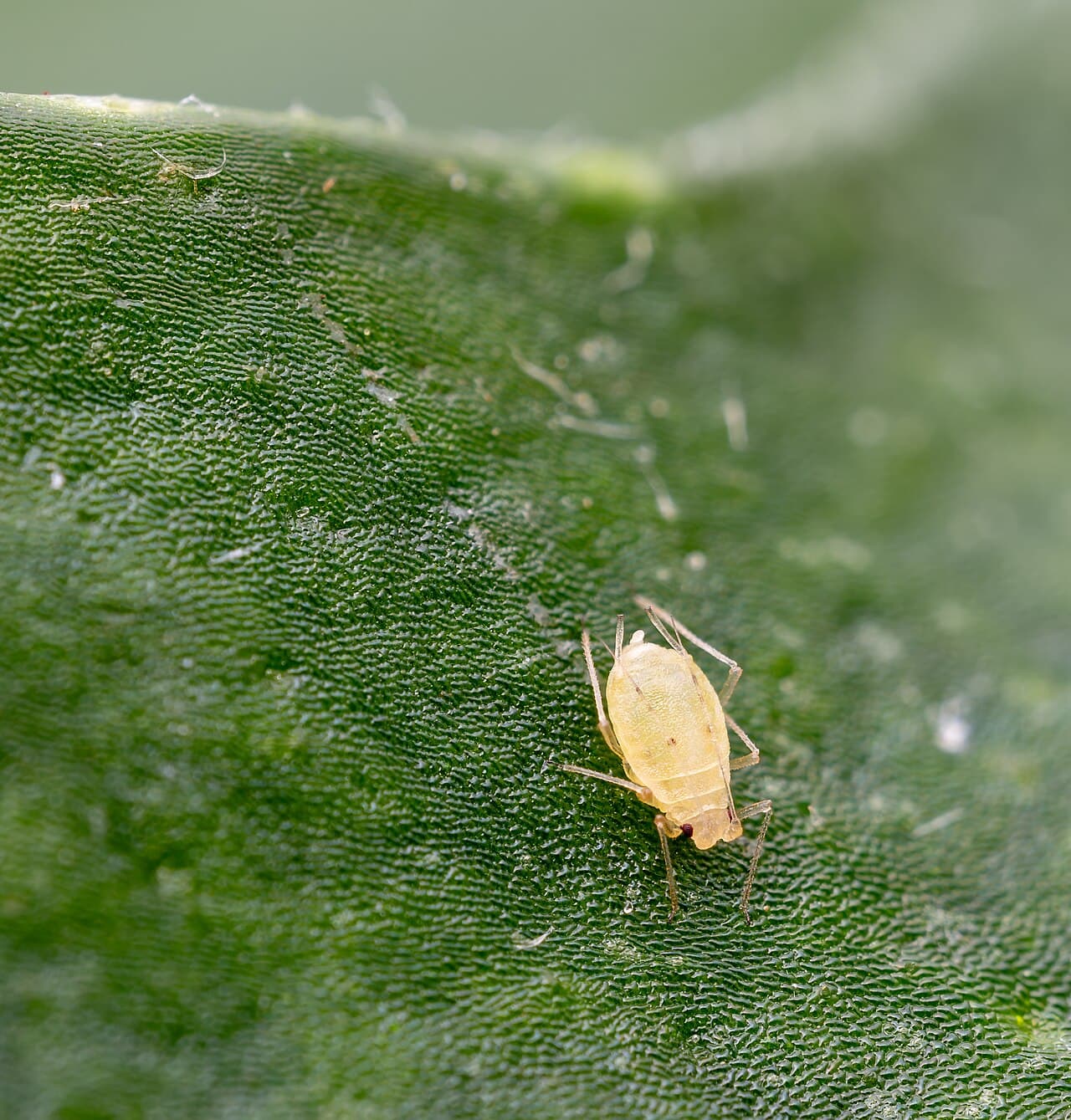

Check these first
- Look for holes or ragged edges on the leaves.
- Check the undersides of leaves for eggs or larvae.
- Examine the water surface for floating debris or insects.
Likely causes
Rice Worm Larvae
Most likelyHow to tell: You see small holes in the leaves or missing chunks of tissue. Look closely at the underside of leaves for small caterpillars.
What to do: Pick the larvae off by hand in the early morning or evening. For larger infestations, use a gentle stream of water to wash them off into the pool.
Waterborne Pests
PossibleHow to tell: Leaves look chewed near the waterline. You might see small insects swimming near the base.
What to do: Introduce small fish if your setup allows, as they often eat larvae. Otherwise, manually remove any visible pests daily.
Find out what's wrong with your wild rice
The list above covers the usual causes. Pocket Botanist looks at a photo of your actual plant and tells you the likely cause, how serious it is, and what to try first. Identification and a health check are free.



Scan with your phone's camera to get the app
Or go to pocketbotanist.app/get on your phone
When to worry
Worry if the larvae are attacking the developing seed heads. Foliage damage is annoying, but seed loss affects the plant's reproduction.
Stopping it coming back
Monitor your plants daily during the growing season to catch pests before they multiply.
Wild rice: pests? Check yours with a photo
Every plant is a little different. Take a photo of your wild rice and Pocket Botanist tells you which cause is most likely, how serious it is, and what to try first. A few checks a day are free. Save the plant and you get care reminders timed for it.
Scan with your phone's camera to get the app
Or go to pocketbotanist.app/get on your phone
Get the app · Or check it from a photo now, free
Questions people ask
- Can I use pesticides?
- Do not use standard pesticides, as they will contaminate the water and harm the plant. Manual removal is the best approach.
- How do I know if it is a rice worm?
- Rice worms are typically small, slender larvae that hide on the foliage. If you see leaves being skeletonized, they are likely the culprit.
More problems with Wild rice
This article was generated with AI on from the plant’s care profile and is general information, not horticultural advice. Read about how we build these guides.