 Pocket Botanist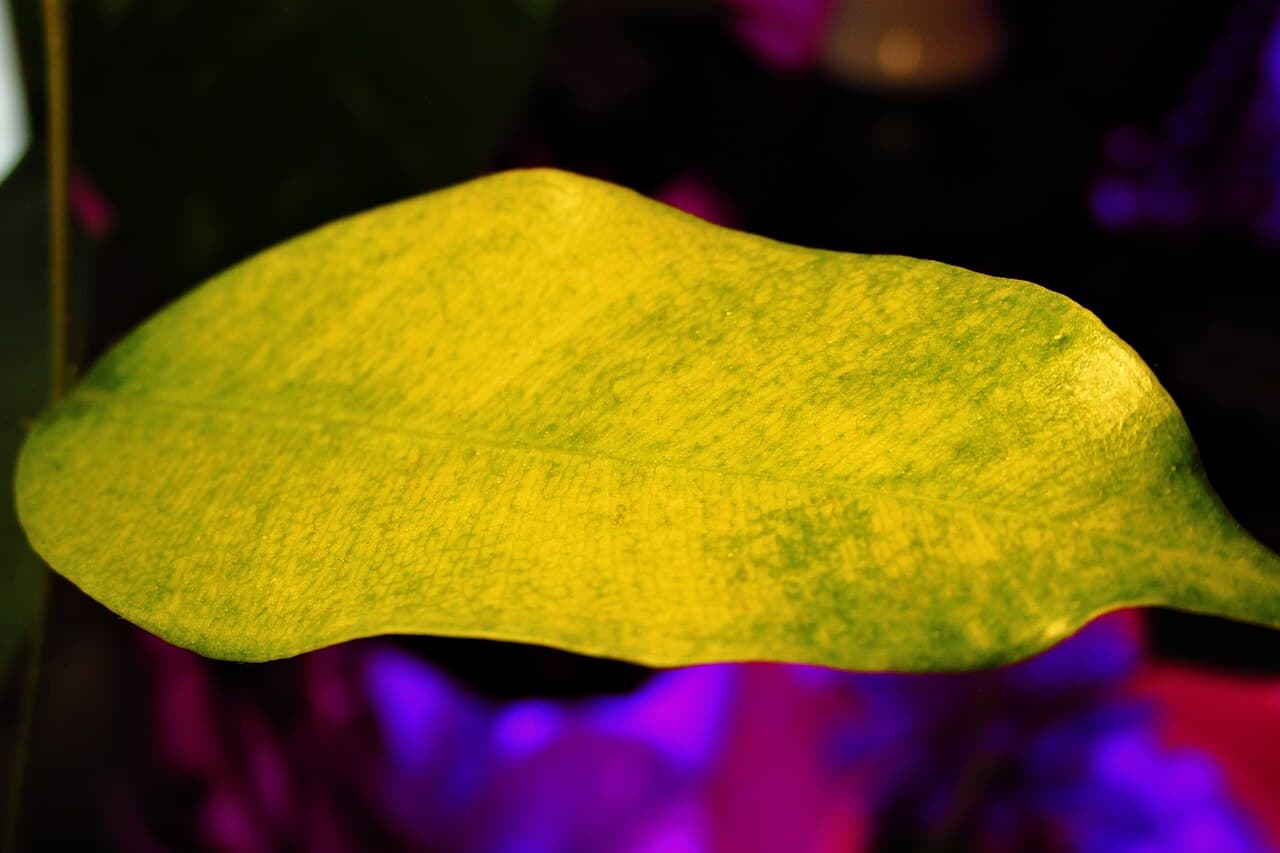
.jpg)
Check these first
- Check if the water is clear or cloudy.
- Smell the water for any signs of decay.
- Test the water level to ensure the roots are fully submerged.
Likely causes
Stagnant Water
Most likelyHow to tell: The water looks murky and smells slightly off. Yellowing starts on older, lower leaves first.
What to do: Change the water every 2 to 3 days to keep it fresh. Ensure the container is large enough to prevent rapid buildup of debris.
Nutrient Deficiency
PossibleHow to tell: The entire plant looks pale or yellow despite fresh water. Growth seems stunted.
What to do: Add a small amount of aquatic plant fertilizer designed for pond plants. Follow the package instructions carefully to avoid burning the roots.
When to worry
Worry if the yellowing spreads to the new growth at the center of the plant. A single old leaf turning yellow is usually just normal aging.
Stopping it coming back
Keep the water circulating or change it frequently to prevent stagnation.
Not sure which one it is? Photograph your wild rice.
This page lists the usual causes. Pocket Botanist looks at your actual leaf and tells you the likely cause, how serious it is, and what to try first. Identification and a health check are free.


Questions people ask
- Can I use tap water?
- Yes, but let it sit for 24 hours to allow chlorine to dissipate before adding it to your wild rice.
- Does yellowing mean I should dry it out?
- No, wild rice is an aquatic plant and must remain submerged. Drying it out will kill it quickly.
More problems with Wild rice
This article was generated with AI from the plant’s care profile and is general information, not horticultural advice. Read about how we build these guides.