 Pocket Botanist
Plant guide
Tulip.
Tulipa
Pronounced TOO-lih-pah
Also known as tulip, tulips



Scan with your phone's camera to get the app
Or go to pocketbotanist.app/get on your phone
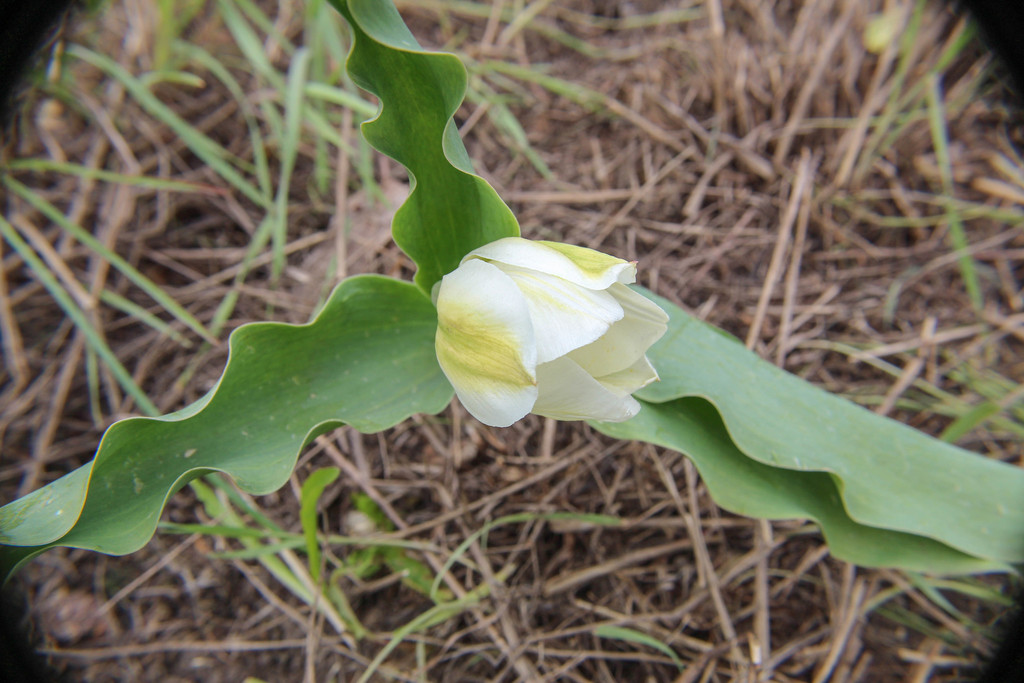
Tulips are iconic spring blooming bulbs that bring a vibrant splash of color to any garden. They grow from underground bulbs and produce elegant, cup shaped flowers on sturdy stems. These plants are a classic choice for seasonal displays.

At a glance
- Care level
- Easy
- Plant type
- Bulbous perennial
- Light
- Full sun to partial shade.
- Indoor light
- Direct sun
- Water
- Every 7 to 14 days
- Mature size
- 6 to 24 inches
- Growth rate
- Medium
- Hardiness
- USDA 3 to 8
- Bloom time
- Early to late spring
Care
Plant your bulbs in the fall before the ground freezes to ensure a beautiful spring show. Make sure the soil drains well so the bulbs do not rot over the winter. Watch for yellowing leaves after blooming, which is a sign the bulb is storing energy for next year.
- Watering
- Keep the soil consistently moist but not waterlogged during the active growing season.
- Feeding
- Apply a balanced bulb fertilizer once in the early spring as new growth emerges.
- Pruning
- Remove spent flower heads after blooming, but leave the foliage until it turns yellow.
- Repotting
- Bulbs are typically lifted and replanted or refreshed annually after the foliage dies back.
- Soil
- Well draining, fertile, sandy loam.
- Soil pH
- 6.0 to 7.0
- Temperature
- -25 to 30°C
- Humidity
- 30 to 50%
- Drought tolerance
- Moderate
- Lifespan
- Perennial, but often treated as an annual.
- Fragrance
- Light
- Deer and rabbits
- Low
Signs it needs repotting
- Roots growing out of the drainage holes
- Bulbs becoming overcrowded in the pot
Safety
- People
- The bulbs contain tulipalin A, which can cause skin irritation and allergic reactions upon handling.
- Pets
- Tulips are toxic to cats and dogs if ingested, particularly the bulb.
- Children
- Keep bulbs out of reach of children as they can be mistaken for onions and are toxic if ingested.
- Contact allergens
- Handling the bulbs can cause contact dermatitis in sensitive individuals.
- Airborne allergens
- The pollen is generally not a major cause of hay fever.
- Edibility
- Tulip bulbs are not considered edible and can cause significant gastrointestinal distress if consumed.
How to identify it
- Cup shaped or star shaped flowers
- Basal leaves with smooth margins
- Single flower per stem
- Bulbous root system
- Height
- 0.1 to 0.7m
- Spread
- 0.1 to 0.2m
- Leaves
- green, blue-green, deciduous
- Flowers
- red, yellow, pink, white, purple, orange, 5 to 15cm
Problems to watch for
- Tulip Fire · A fungal infection causing spots on leaves and distorted flowers.
- Aphids · Small insects that suck sap from new growth.
Check your tulip from a photo
Pocket Botanist looks at a photo of your plant and tells you what's wrong and what to try first.
Scan with your phone's camera to get the app
Or go to pocketbotanist.app/get on your phone
Growing it
- Propagation
- division, seed
- When to plant
- autumn
- Overwintering
- Leave the bulbs in the ground during winter. Ensure the soil is well drained so the bulbs do not rot in wet, cold conditions.
- In containers
- Tulips grow well in pots, provided the container has excellent drainage and is at least 20 cm deep.
Division
- 1. Wait until the foliage has completely died back in late spring.
- 2. Carefully dig up the bulb cluster.
- 3. Gently separate the small offsets from the main bulb.
- 4. Replant the offsets in a new location at the appropriate depth.
Pair tulips with perennials that grow foliage later in the season to mask the yellowing leaves of the bulbs.
Grows well with
- Forget-me-not · They provide a beautiful blue carpet that hides the fading tulip foliage.
- Grape Hyacinth · These bloom at the same time and create a lovely color contrast.
Similar species
- Fritillaria · They share similar bulb planting requirements and spring bloom times.
Science
- Family
- Liliaceae
- Genus
- Tulipa
- Order
- Liliales
- Class
- Liliopsida
- Native range
- Central Asia and Turkey
- Conservation
- Most garden tulips are cultivars and are not of conservation concern.
Tulips evolved in mountainous regions with dry summers and cold winters, which is why they require a period of dormancy.
- Value to wildlife
- early season nectar source
- Pollinators
- bees
- Uses
- spring borders, cut flowers, rock gardens, container displays
Through the year
Ecological indicators
- Salinity
- 2/9
- Soil reaction
- 6/9
- Light
- 8/9
- Temperature
- 4/9
- Moisture
- 4/9
- Nutrients
- 5/9
Taxonomy resolved against GBIF.
Questions people ask
- Why didn't my tulips come back?
- Many modern hybrid tulips are bred to bloom best in their first year and may decline thereafter.
- When should I plant them?
- Plant bulbs in the fall before the ground freezes.
Where the name comes from
The name is derived from the Ottoman Turkish word tulbend, meaning turban, due to the flower's shape. The genus name Tulipa is the Latinized form of this word.
Good to know
- Tulips are members of the lily family.
- The name comes from the Turkish word for turban.
- Tulips typically only bloom once per year.
- There are over 3,000 registered varieties of tulips.
Also in
Keep your tulip growing
This page is a general guide. Save your plant in Pocket Botanist and you get care reminders timed for this plant, plus a care history that shows what worked.
Scan with your phone's camera to get the app
Or go to pocketbotanist.app/get on your phone
This guide was generated with AI on and checked against GBIF taxonomy. It is general information, not horticultural or veterinary advice. Read about how we build these guides.