 Pocket Botanist
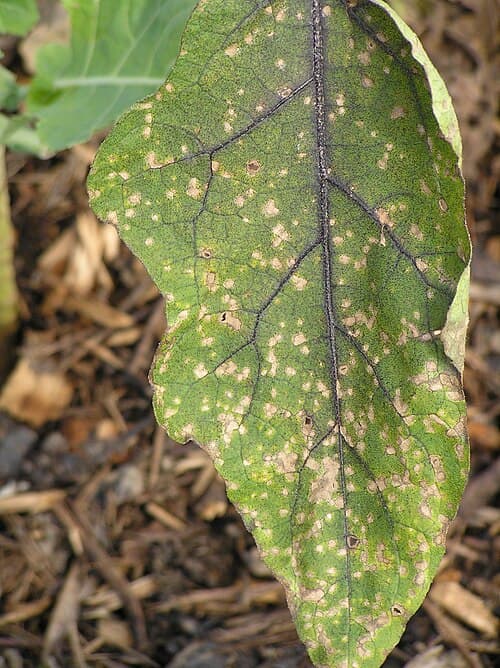

Check these first
- Look closely at the spots with a magnifying glass.
- Check if the spots are powdery or sunken.
- Examine the stems for similar markings.
Likely causes
Wheat Rust
Most likelyHow to tell: Small orange or black powdery pustules appear on the leaves and stems. These spots can easily be wiped off with your finger.
What to do: Apply a fungicide labeled for wheat rust as soon as you see the first signs. Ensure full coverage of the foliage for the best results.
Septoria Leaf Blotch
PossibleHow to tell: Irregular brown spots with yellow halos appear on the lower leaves. These spots eventually merge and cause the leaf to die.
What to do: Remove heavily infected plant debris if possible and apply a fungicide. Rotate your crops to prevent the fungus from building up in the soil.
Find out what's wrong with your winter wheat
The list above covers the usual causes. Pocket Botanist looks at a photo of your actual plant and tells you the likely cause, how serious it is, and what to try first. Identification and a health check are free.



Scan with your phone's camera to get the app
Or go to pocketbotanist.app/get on your phone
When to worry
Worry if the spots are spreading quickly toward the upper leaves or the head of the wheat. Small, isolated spots are manageable with treatment.
Stopping it coming back
Use disease resistant wheat varieties and practice crop rotation every 2 to 3 years.
Winter Wheat: spots? Check yours with a photo
Every plant is a little different. Take a photo of your winter wheat and Pocket Botanist tells you which cause is most likely, how serious it is, and what to try first. A few checks a day are free. Save the plant and you get care reminders timed for it.
Scan with your phone's camera to get the app
Or go to pocketbotanist.app/get on your phone
Get the app · Or check it from a photo now, free
Questions people ask
- Are these spots contagious?
- Yes, fungal spores are easily spread by wind and rain. Treat the area quickly to protect the rest of your crop.
- Can I eat wheat with rust?
- Rust fungi do not produce toxins that make the grain unsafe to eat, but a severe infection will significantly reduce your yield and grain quality.
Guides to these causes
More problems with Winter Wheat
Back to the Winter Wheat guide
This article was generated with AI on from the plant’s care profile and is general information, not horticultural advice. Read about how we build these guides.