 Pocket Botanist

Check these first
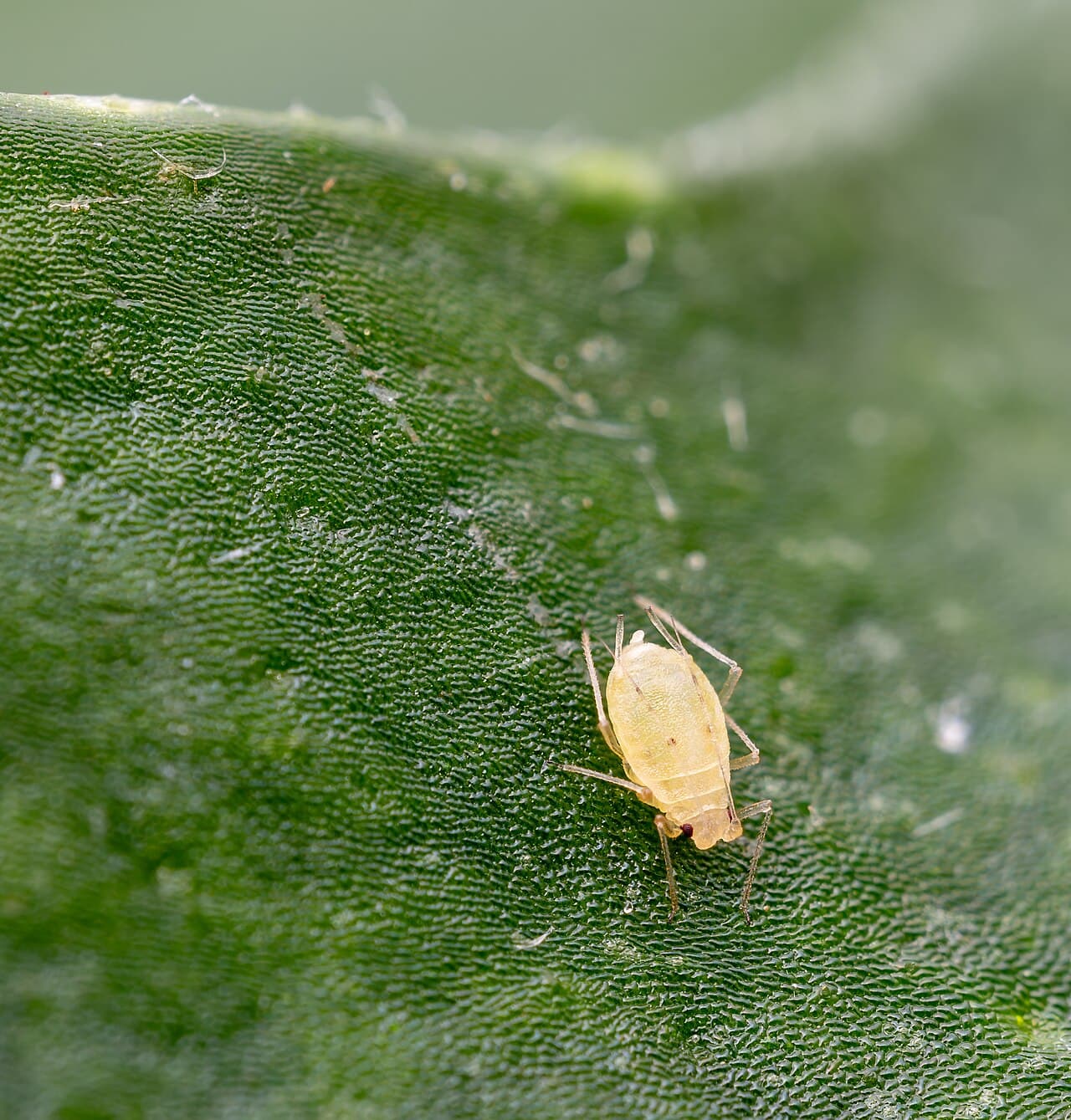
- Inspect the undersides of leaves for clusters of small insects.
- Touch the leaves to see if they feel sticky.
- Look for ants, which often farm aphids for their honeydew.
Likely causes
Aphid infestation
Most likelyHow to tell: You will see sticky residue on leaves and branches, often accompanied by tiny soft bodied insects on the undersides of leaves.
What to do: Spray the foliage with a strong stream of water from your garden hose to dislodge the aphids. If the infestation is heavy, apply insecticidal soap directly to the affected areas every 5 to 7 days until they are gone.
Sooty mold growth
PossibleHow to tell: A black, powdery coating appears on the leaves where the sticky honeydew has accumulated.
What to do: Wash the leaves with a gentle soap solution to remove the mold. Once you eliminate the aphids, the mold will stop spreading and eventually weather away.
Find out what's wrong with your american linden
The list above covers the usual causes. Pocket Botanist looks at a photo of your actual plant and tells you the likely cause, how serious it is, and what to try first. Identification and a health check are free.



Scan with your phone's camera to get the app
Or go to pocketbotanist.app/get on your phone
When to worry
A few aphids are normal, but if the tree is covered in sticky honeydew or the leaves start curling, you should take action. It is rarely fatal, but it can make a mess of your patio or sidewalk.
Stopping it coming back
Encourage natural predators like ladybugs and lacewings to visit your garden by planting diverse flowers nearby. Avoid heavy nitrogen fertilizers that encourage soft, succulent growth which aphids love.
American linden: pests? Check yours with a photo
Every plant is a little different. Take a photo of your american linden and Pocket Botanist tells you which cause is most likely, how serious it is, and what to try first. A few checks a day are free. Save the plant and you get care reminders timed for it.
Scan with your phone's camera to get the app
Or go to pocketbotanist.app/get on your phone
Get the app · Or check it from a photo now, free
Questions people ask
- Will the honeydew hurt my tree?
- The honeydew itself is just a byproduct, but it can lead to sooty mold. The real issue is the aphids draining the tree's energy.
- Can I use systemic pesticides?
- It is best to avoid them on large trees like the American linden. They can harm beneficial pollinators that visit the flowers.
Guides to these causes
More problems with American linden
- Why does my American linden have dark spots on its leaves?
- Why is my American linden tree drooping?
- Why are my American linden's leaves turning yellow?
- Why are my American linden's leaf tips turning brown?
- Why is my American linden dropping its leaves?
- Why is my American linden showing signs of root rot?
- Why are my American linden leaves curling?
Back to the American linden guide
This article was generated with AI on from the plant’s care profile and is general information, not horticultural advice. Read about how we build these guides.