 Pocket Botanist
Plant guide
Arborvitae.
Thuja
Pronounced THOO-yuh
Also known as Arborvitae, Red Cedar, Red-cedars, Thuya, arborvitaes, cedar, thujas, whitecedars


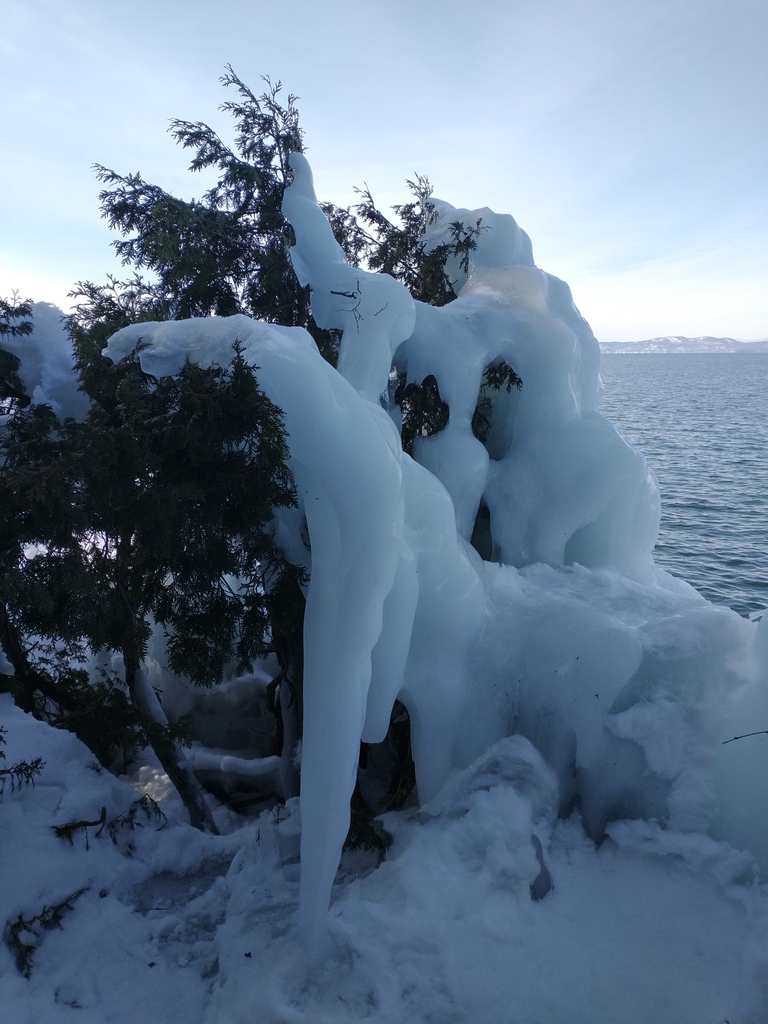
Thuja are popular evergreen conifers known for their dense, scale like foliage and upright growth habit. They work wonderfully as privacy screens or windbreaks in the landscape. These trees are quite hardy and adapt well to many garden conditions.
At a glance
- Care level
- Easy
- Plant type
- Evergreen conifer
- Light
- Full sun to partial shade
- Indoor light
- bright-indirect
- Water
- Every 7 to 14 days
- Mature size
- Varies by species, often 3 to 15 meters
- Growth rate
- medium
- Hardiness
- USDA 3 to 8
- Bloom time
- Not applicable
Care
Keep the soil consistently moist but never waterlogged to ensure healthy growth. Watch for browning foliage, which often indicates drought stress or spider mite activity. Prune lightly in early spring to maintain shape and encourage density.
- Watering
- Water deeply during dry spells to keep the root zone hydrated.
- Feeding
- Apply a balanced, slow release fertilizer in early spring.
- Pruning
- Trim lightly in spring to maintain the desired shape and density.
- Repotting
- Repot only if the plant is container grown and has become root bound.
- Soil
- Well draining, fertile loam
- Soil pH
- 6.0 to 8.0
- Temperature
- -30 to 35°C
- Humidity
- 40 to 60%
- Drought tolerance
- moderate
- Lifespan
- Perennial, typically 50 to 100 years.
- Fragrance
- light
- Deer and rabbits
- low
Signs it needs repotting
- Roots growing out of the drainage holes.
- Water running straight through the pot without soaking in.
- Stunted growth despite proper care.
Safety
- People
- The foliage is toxic if eaten and can cause skin irritation upon contact.
- Pets
- Thuja can be toxic to cats and dogs if ingested, potentially causing digestive upset.
- Children
- Keep small children away from the foliage as ingestion can cause stomach upset or more serious symptoms.
- Contact allergens
- Handling the foliage can cause contact dermatitis in sensitive individuals.
- Airborne allergens
- The pollen can trigger mild allergic reactions in some people during the spring.
- Edibility
- Thuja foliage contains thujone, which is toxic if ingested in significant quantities.
How to identify it
- Scale like, overlapping leaves
- Flattened, fan shaped branch sprays
- Small, woody, oblong cones
- Fibrous, reddish brown bark
- Dense, conical growth habit
- Height
- 3 to 15m
- Spread
- 1 to 5m
- Leaves
- green, yellow-green, evergreen
- Flowers
- 0cm
Common problems
- Bagworms — These caterpillars create silk bags covered in foliage that can defoliate branches.
- Spider mites — Tiny pests that cause foliage to turn yellow or bronze during hot, dry weather.
- Root rot — Fungal infection caused by overly wet, poorly drained soil conditions.
Growing it
- Propagation
- cuttings, seed
- When to plant
- spring, autumn
- Overwintering
- Ensure the soil is well watered before the ground freezes to prevent winter burn. You can wrap young trees in burlap to protect them from heavy snow and ice damage.
- In containers
- They can grow in large containers, but they prefer being in the ground for long term health.
Semi-hardwood cuttings
- Take a 4 to 6 inch cutting in late summer.
- Remove the lower needles from the stem.
- Dip the end in rooting hormone.
- Place in a moist, well draining potting mix.
- Keep in a humid environment until roots develop.
Plant shade tolerant perennials around the base to create a layered look while keeping the root zone cool.
Grows well with
- Hosta — They thrive in the partial shade provided by the canopy of the tree.
- Bleeding Heart — These perennials enjoy the same moist, sheltered soil conditions.
Similar species
- False Cypress — They share a similar scale like foliage and growth habit.
- Juniper — These are also evergreen conifers often used for screening.
Science
- Family
- Cupressaceae
- Genus
- Thuja
- Order
- Pinales
- Class
- Pinopsida
- Native range
- North America and Eastern Asia.
- Conservation
- Most common species are not of conservation concern, but always avoid wild collection.
These trees thrive in cool, moist environments and provide essential shelter for birds during harsh winters.
- Value to wildlife
- winter cover, nesting habitat
- Pollinators
- bees
- Uses
- privacy screening, ornamental hedge, windbreak
Through the year
Ecological indicators
- Salinity
- 2/9
- Soil reaction
- 6/9
- Light
- 6/9
- Temperature
- 4/9
- Moisture
- 6/9
- Nutrients
- 5/9
Taxonomy resolved against GBIF.
Questions people ask
- Do they need pruning?
- They generally maintain a nice shape on their own, but you can lightly trim them to encourage density.
- Why is my tree turning brown?
- Browning can be caused by winter burn, drought, or fungal issues.
Where the name comes from
The name Thuja comes from the ancient Greek word for a fragrant, resinous wood. The common name arborvitae refers to the medicinal properties historically attributed to the tree.
Good to know
- Native peoples used the wood for canoes and the foliage for medicinal teas.
- They are members of the cypress family.
- The foliage is arranged in flat, fan like sprays.
- They remain green throughout the winter months.
Is your arborvitae looking unwell?
This page is a general guide. Pocket Botanist diagnoses problems from a photo of your actual plant, works out watering for your light and conditions, and reminds you when care is due.
This guide was generated with AI and checked against GBIF taxonomy. It is general information, not horticultural or veterinary advice. Read about how we build these guides.