 Pocket Botanist
Plant guide
Japanese dandelion.
Taraxacum japonicum
Pronounced tuh-RAK-suh-kum juh-PON-ih-kum



Scan with your phone's camera to get the app
Or go to pocketbotanist.app/get on your phone
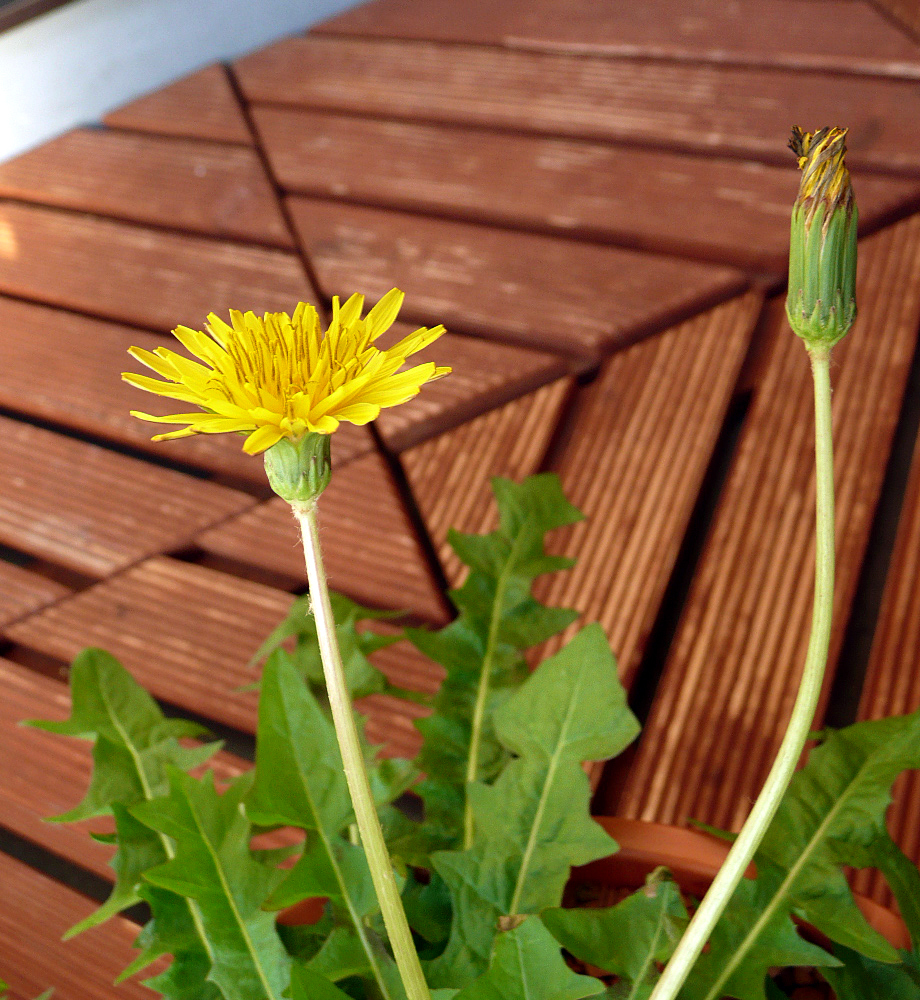
The Japanese dandelion is a charming perennial that is native to East Asia. It is quite similar to common dandelions but has distinct botanical differences in its floral structure. You will find it thrives in open, sunny spots where it can spread its seeds easily.
At a glance
- Care level
- Easy
- Plant type
- Perennial herb
- Light
- Full sun
- Indoor light
- Direct sun
- Water
- Every 3 to 7 days
- Mature size
- 4 to 12 inches
- Growth rate
- Fast
- Hardiness
- USDA 5 to 9
- Bloom time
- Early to mid spring
Care
Keep the soil consistently moist but well drained to encourage healthy growth. Watch for wilting leaves, which often indicate the plant needs a drink. Ensure it gets plenty of sunlight to keep the stems from becoming leggy.
- Watering
- Water whenever the top inch of soil feels dry to the touch.
- Feeding
- Apply a balanced liquid fertilizer during the active growing season.
- Pruning
- Remove spent flower heads to prevent unwanted spreading in your garden.
- Repotting
- Move to a larger container once the roots begin to circle the bottom.
- Soil
- Well draining loamy soil
- Soil pH
- 6.0 to 7.0
- Temperature
- -15 to 30°C
- Humidity
- 40 to 70%
- Drought tolerance
- Moderate
- Lifespan
- Perennial, typically 3 to 5 years
- Deer and rabbits
- Moderate
Signs it needs repotting
- Roots growing out of the drainage holes
- Water running straight through the soil without soaking in
Safety
- People
- The plant is generally considered non-toxic, though the milky sap can cause mild skin irritation in sensitive individuals.
- Children
- The plant is safe to handle, but children should be supervised to avoid eating raw plant material from unknown sources.
- Contact allergens
- The milky latex sap may cause contact dermatitis in sensitive people.
- Airborne allergens
- Pollen can trigger hay fever symptoms in individuals sensitive to Asteraceae pollen.
- Edibility
- Ensure plants are harvested from areas free of pesticides or chemical runoff before considering them for consumption.
How to identify it
- Yellow flower heads
- Deeply lobed basal leaves
- Hollow, leafless flower stalks
- White, feathery seed pappus
- Height
- 0.1 to 0.3m
- Spread
- 0.15 to 0.3m
- Leaves
- green, deciduous
- Flowers
- yellow, 3 to 5cm
- Fruit
- white, late spring
Problems to watch for
- Powdery mildew · A fungal infection that appears as white dusty spots on the leaves during humid weather.
Check your japanese dandelion from a photo
Pocket Botanist looks at a photo of your plant and tells you what's wrong and what to try first.
Scan with your phone's camera to get the app
Or go to pocketbotanist.app/get on your phone
Growing it
- Propagation
- seed
- When to plant
- spring, autumn
- Overwintering
- The plant naturally dies back to the root crown in winter. Simply clear away dead foliage in late autumn to keep the area tidy.
- In containers
- It grows well in pots, but ensure the container is deep enough to accommodate its long taproot.
Seed Sowing
- 1. Collect seeds when the flower head turns into a fluffy white globe.
- 2. Sow seeds directly into moist soil in early spring.
- 3. Keep the soil lightly moist until germination occurs.
Plant these in a meadow mix to provide early season food for pollinators before other perennials wake up.
Grows well with
- Wild Strawberry · They share similar light and moisture requirements in meadow settings.
- Common Yarrow · Both plants are hardy and support a wide range of beneficial pollinators.
Similar species
- Common Dandelion · It is the most common lookalike but is often considered more invasive.
Science
- Family
- Asteraceae
- Genus
- Taraxacum
- Order
- Asterales
- Class
- Magnoliopsida
- Native range
- Japan and parts of East Asia
- Conservation
- It is not currently listed as endangered, though it faces habitat pressure from the spread of non-native dandelion species.
It thrives in open grasslands and disturbed soil where it can quickly establish a deep taproot to access water.
- Value to wildlife
- early nectar source
- Pollinators
- bees, butterflies
- Uses
- edible greens, pollinator garden, medicinal tea
Through the year
Ecological indicators
- Salinity
- 2/9
- Soil reaction
- 6/9
- Light
- 7/9
- Temperature
- 5/9
- Moisture
- 5/9
- Nutrients
- 5/9
Taxonomy resolved against GBIF.
Questions people ask
- Is this the same as the common dandelion?
- No, it is a distinct species native to Japan with specific botanical differences in its flower structure.
- Can I eat the leaves?
- Yes, the young leaves are edible and often used in salads or cooked like spinach.
Where the name comes from
The genus name Taraxacum comes from the Persian word for a bitter herb, while the specific epithet japonicum indicates its native range.
Good to know
- It is a symbol of resilience in Japanese culture.
- The seeds are carried by the wind using a feathery structure called a pappus.
- Unlike some invasive dandelions, this species is less aggressive in garden settings.
Keep your japanese dandelion growing
This page is a general guide. Save your plant in Pocket Botanist and you get care reminders timed for this plant, plus a care history that shows what worked.
Scan with your phone's camera to get the app
Or go to pocketbotanist.app/get on your phone
This guide was generated with AI on and checked against GBIF taxonomy. It is general information, not horticultural or veterinary advice. Read about how we build these guides.