 Pocket Botanist

Check these first
- Check the soil moisture two inches below the surface.
- Inspect the base of the stems for small holes or sawdust.
- Look for wilting on just one branch versus the whole plant.
Likely causes
Lilac Borer
Most likelyHow to tell: You see wilting branches and small holes in the bark near the base of the stems. Sawdust like material may be present near the holes.
What to do: Prune out and destroy the infested branches immediately. You can also use pheromone traps to monitor for adult moths in late spring.
Dehydration
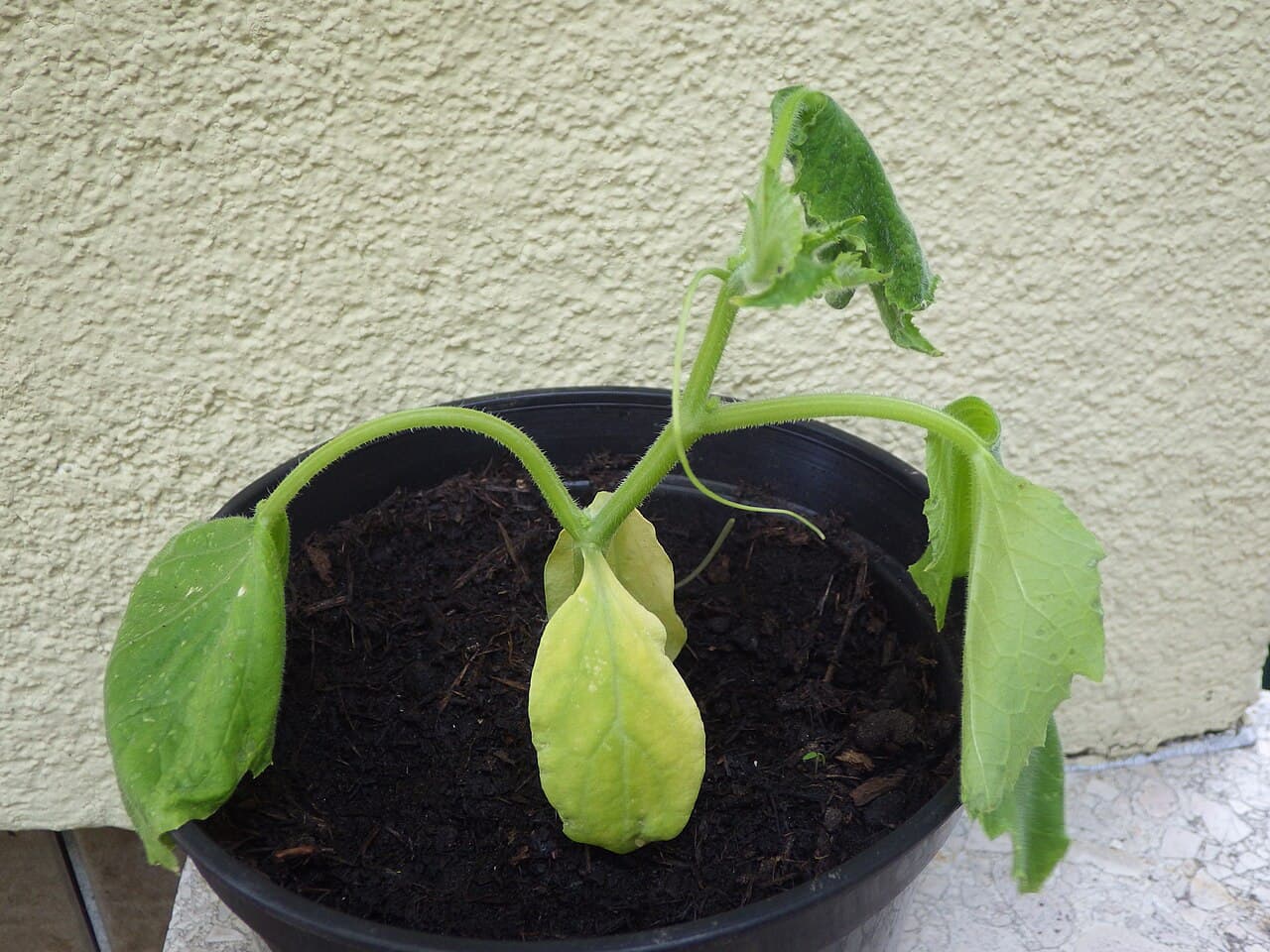
PossibleHow to tell: The leaves look limp and soft, especially during the heat of the day. The soil around the base feels dry and hard to the touch.
What to do: Water the plant deeply once a week during dry spells. Apply a two inch layer of mulch around the base to help the soil retain moisture.
Find out what's wrong with your lilac
The list above covers the usual causes. Pocket Botanist looks at a photo of your actual plant and tells you the likely cause, how serious it is, and what to try first. Identification and a health check are free.



Scan with your phone's camera to get the app
Or go to pocketbotanist.app/get on your phone
When to worry
If the drooping is caused by borers, it can kill the entire plant if left unchecked. If it is just thirst, the plant should perk up within a few hours of watering.
Stopping it coming back
Keep your lilac healthy with consistent watering and avoid wounding the bark with lawn mowers or string trimmers, as borers enter through these injuries.
Lilac: drooping? Check yours with a photo
Every plant is a little different. Take a photo of your lilac and Pocket Botanist tells you which cause is most likely, how serious it is, and what to try first. A few checks a day are free. Save the plant and you get care reminders timed for it.
Scan with your phone's camera to get the app
Or go to pocketbotanist.app/get on your phone
Get the app · Or check it from a photo now, free
Questions people ask
- How do I know if it is borers or just dry soil?
- If the soil is moist but the branch is still wilting, it is likely a borer. Check the bark for holes or tunnels.
- Can I save a branch with borer holes?
- Usually, the damage inside the wood is too extensive to save the branch. It is best to prune it out to protect the rest of the shrub.
Guides to these causes
More problems with Lilac
- Why does my common lilac have white spots on its leaves?
- Why is my common lilac not producing any flowers?
- Why are there bugs on my Syringa vulgaris?
- Why is my lilac growing so leggy?
- Why are my lilac's leaves turning yellow?
- Why are my lilac's leaf tips turning brown?
- Why is my lilac dropping its leaves?
- Why is my lilac showing signs of root rot?
- Why are my lilac leaves curling?
This article was generated with AI on from the plant’s care profile and is general information, not horticultural advice. Read about how we build these guides.