 Pocket Botanist
Plant guide
Michaelmas Daisy.
Symphyotrichum novi-belgii
Pronounced sim-fee-oh-TRY-kum no-vee-BEL-jee-eye
Also known as Confused Michaelmas Daisy, Confused Michaelmas-daisy, Longleaf Aster, Michaelmas Daisy, New Belgium American aster, New York Aster



Scan with your phone's camera to get the app
Or go to pocketbotanist.app/get on your phone
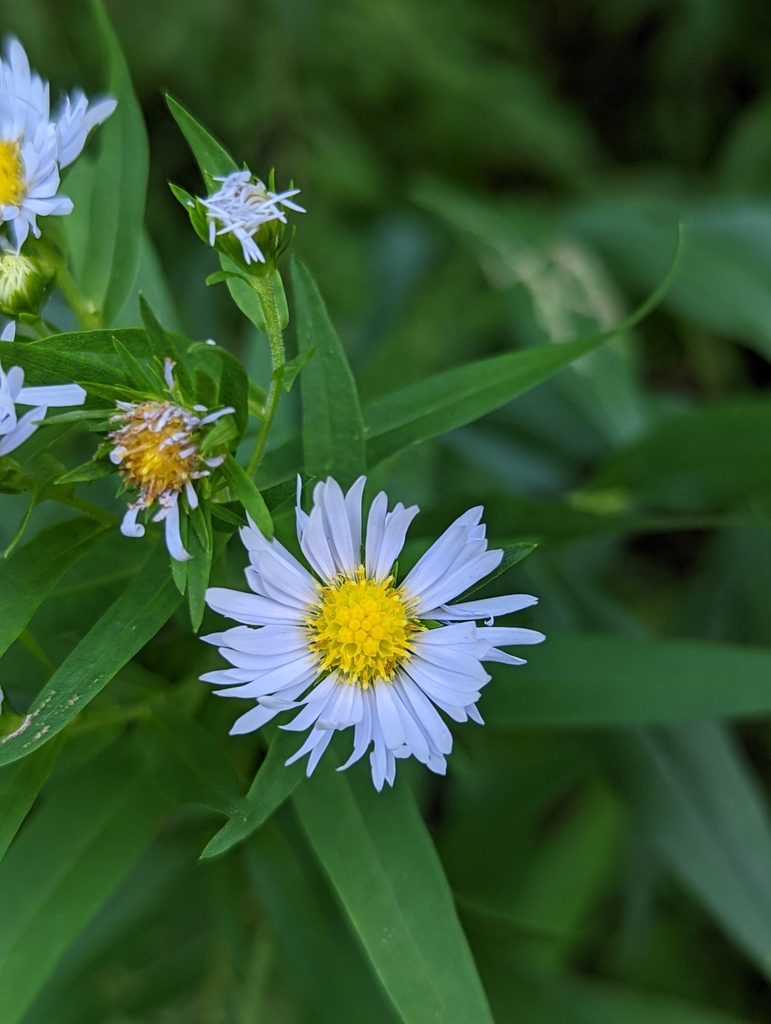
Michaelmas daisies are lovely perennials that bring a splash of color to your garden right as autumn arrives. They are classic cottage garden plants that bloom in shades of blue, purple, and pink. You will love how they attract pollinators late in the season.

At a glance
- Care level
- Easy
- Plant type
- Perennial
- Light
- Full sun to partial shade
- Indoor light
- Bright indirect
- Water
- Every 3 to 7 days
- Mature size
- 3 to 4 feet
- Growth rate
- Medium
- Hardiness
- USDA 4 to 8
- Bloom time
- Late summer to mid autumn
Care
Plant these in a spot with good air circulation to keep powdery mildew away. Pinch back the stems in early summer to encourage a bushier shape and more flowers. Watch for wilting leaves, which often signal that the plant needs a good drink.
- Watering
- Keep the soil consistently moist but never soggy.
- Feeding
- Apply a balanced fertilizer once a month during the active growing season.
- Pruning
- Cut the stems back to the ground after the first hard frost in winter.
- Repotting
- Divide the clumps every few years to keep the plant vigorous and healthy.
- Soil
- Moist, well draining soil
- Soil pH
- Neutral to slightly acidic
- Temperature
- -30 to 35°C
- Humidity
- 40 to 70%
- Drought tolerance
- Moderate
- Lifespan
- Perennial, typically 5 to 10 years
- Deer and rabbits
- Low
Signs it needs repotting
- Roots growing out of the drainage holes.
- Water running straight through the pot without soaking in.
- Stunted growth during the active season.
Safety
- People
- The plant is not considered toxic to humans.
- Pets
- These plants are generally considered non-toxic to cats and dogs.
- Children
- The plant is generally safe, but keep children from eating the foliage to avoid stomach upset.
- Contact allergens
- Handling the foliage may cause mild skin irritation in sensitive individuals.
- Airborne allergens
- The pollen can trigger hay fever symptoms in those with seasonal allergies.
- Edibility
- This plant is not considered edible and should not be consumed.
How to identify it
- Daisy like flowers with yellow centers
- Lance shaped green leaves
- Clumping habit with upright stems
- Blooms in late summer and autumn
- Height
- 0.6 to 1.2m
- Spread
- 0.45 to 0.9m
- Leaves
- dark green, deciduous
- Flowers
- purple, blue, pink, white, 2 to 4cm
Problems to watch for
- AphidsCommon
- Powdery MildewCommon
- Aster YellowsUncommon
- Leaf SpotUncommon
- RustUncommon
- Slugs and SnailsUncommon
Check your michaelmas daisy from a photo
Pocket Botanist looks at a photo of your plant and tells you what's wrong and what to try first.
Scan with your phone's camera to get the app
Or go to pocketbotanist.app/get on your phone
Growing it
- Propagation
- division, seed, cuttings
- When to plant
- spring, autumn
- Overwintering
- Cut the stems back to a few inches above the soil line after the first hard frost. Apply a light layer of mulch if you live in a very cold climate.
- In containers
- They grow well in large containers, but ensure the pot is at least 30 centimeters wide to accommodate the root system.
Division
- 1. Dig up the clump in early spring.
- 2. Use a sharp spade to divide the root ball into smaller sections.
- 3. Replant the divisions immediately at the same depth.
Plant these with other late bloomers to ensure your garden remains active for pollinators until the first frost.
Grows well with
- Goldenrod · They bloom at the same time and create a classic autumn color contrast.
- Sneezeweed · It provides a complementary texture and color palette for late season borders.
Similar species
- New England Aster · It is a taller, more robust cousin with similar cultural needs.
Science
- Family
- Asteraceae
- Genus
- Symphyotrichum
- Order
- Asterales
- Class
- Magnoliopsida
- Native range
- Eastern North America
- Conservation
- This species is common and not of conservation concern.
It thrives in moist meadows and along woodland edges where it competes for light in late summer.
- Value to wildlife
- nectar source, late season food
- Pollinators
- bees, butterflies
- Uses
- pollinator gardens, cut flowers, border planting
Through the year
Ecological indicators
- Salinity
- 2/9
- Soil reaction
- 6/9
- Light
- 7/9
- Temperature
- 5/9
- Moisture
- 6/9
- Nutrients
- 5/9
Taxonomy resolved against GBIF.
Questions people ask
- Do I need to stake them?
- Taller varieties often benefit from staking to prevent flopping.
- When should I cut them back?
- Cut them back to the ground in late winter or early spring.
Where the name comes from
The genus name comes from the Greek words for symphony and hair, referring to the flower structure. The specific epithet refers to the historical name for the New York region.
Good to know
- The name novi-belgii means of New Belgium, referring to the old name for New York.
- These flowers are a classic staple of the autumn garden.
- They are excellent for cutting and last a long time in a vase.
Keep your michaelmas daisy growing
This page is a general guide. Save your plant in Pocket Botanist and you get care reminders timed for this plant, plus a care history that shows what worked.
Scan with your phone's camera to get the app
Or go to pocketbotanist.app/get on your phone
This guide was generated with AI on and checked against GBIF taxonomy. It is general information, not horticultural or veterinary advice. Read about how we build these guides.